
Contents
Introduction & Spiritual Essence: The Throne of the Lord of the North
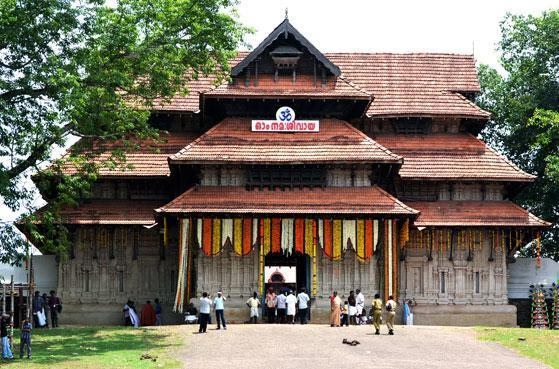
Vadakkunnathan Temple, standing majestically in the heart of Thrissur, Kerala, is not merely a structure of stone and wood; it is a living, breathing testament to the spiritual heritage of the Dravidian land. Dedicated to Lord Shiva (Swayambhu), the temple is revered as the presiding deity of the region, known by the name Vadakkunnathan—literally translating to the “Lord of the North.” This ancient sanctum is considered the Devanagari of the spiritual landscape of Kerala, serving as the focal point for the cultural identity of the region.
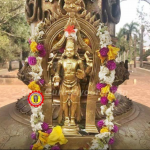
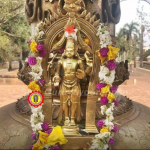
The Primary Deity (Murti): Unlike traditional Shiva Lingams, the deity here is a Swayambhu (self-manifested) idol carved from a single rock, depicted in a seated posture with four arms (Chaturbhuja). The idol faces East, and a portion of the Linga is covered with a mound of Ghee (clarified butter) offered by devotees over centuries, which never melts or spoils despite the tropical climate. Below the primary deity, the Adikumbheshwar Lingam is also worshipped.
Phalaśruti: Why Devotees Visit
According to Hindu scriptures and local tradition, visiting the Vadakkunnathan Temple is believed to yield profound spiritual benefits (Phalaśruti). The sanctum is particularly potent for:
- Ancestral Deliverance: It is widely believed that offering Ghee here helps in alleviating ancestral afflictions and cleansing Karma associated with one’s lineage.
- Health and Prosperity: Devotees pray for physical well-being and the removal of obstacles in life.
- Artistic & Cultural Success: Being the home of Koothambalam (temple theatre), artists and performers visit to seek blessings for perfection in their craft.
Historical Origins & Scriptural Legend
The history of Vadakkunnathan Temple is intertwined with the mythological creation of Kerala itself. The Sthala Purana (local legend) is detailed in the Brahmanda Purana, providing a celestial narrative for its foundation.
The Parasurama Connection
Tradition holds that the temple was founded by Parashurama, the sixth avatar of Vishnu. After seeking absolution for the Kshatriya slayings, he performed a grand Yajna (fire sacrifice) and gifted the land to the sages. To create a new landmass, he hurled his axe into the ocean (or used a winnow, depending on the local lore), causing Kerala to emerge from the waters.
To consecrate this new land, Parashurama went to Mount Kailash and brought Lord Shiva from the north to settle in the south. The deity stopped at this specific spot in Thrissur and vanished, leaving behind a self-manifested Lingam under a massive Banyan tree. This spot is known as Sri Moola Sthana.
Architectural Evolution
According to temple records, the original Lingam remained at Sri Moola Sthana for a significant period. It was later decided by the rulers of the Cochin Kingdom to shift the Lingam to a more permanent structure. The transfer was a miraculous event; to protect the idol from falling debris while cutting the Banyan tree, the Yogatirippadu lay over the deity, shielding it. The temple was subsequently constructed following strict Shastric rules. While the exact century of the original construction is debated, the current structure reflects centuries of patronage, with significant renovations driven by the local nobility and the Cochin Royal Family.
| Date built: | – |
|---|---|
| Deity: | – |
| Architectural style: | – |
| Major festivals | Maha Shivaratri |
| Locale: | Thrissur |
| District:: | Thrissur |
| Address: | Swaraj Round N, Kuruppam, Thekkinkadu Maidan, Thrissur, Kerala 680001 |
| Phone | – |
Architectural Marvels
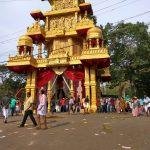
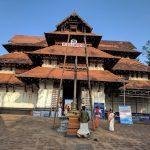
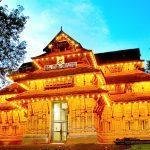
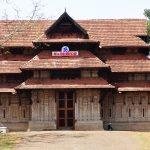
The Vadakkunnathan Temple is a classic example of traditional Kerala Architectural Style, which is distinct from the Nagara or Dravida styles found elsewhere in India. The temple sits atop a hillock in the city center, enclosed within a massive stone wall covering nearly 9 acres.
Structural Highlights
- Gopurams & The Kuttambalam: The temple features four monumental towers (Gopurams) facing the four cardinal directions. The Kuttambalam, a shrine-cum-theatre, is a masterpiece of craftsmanship. It is used for the ritualistic performance of Koothu, Nangyar Koothu, and Koodiyattam—ancient art forms recognized by UNESCO.
- Chuttambalam: The inner temple is separated from the outer walls by a broad circular granite corridor known as the Chuttambalam. This space is essential for the circumambulation rituals.
- Mural Paintings: The temple houses rare and ancient murals dating back over 350 years. Notable among them are the Vasukishayana and Nrithanatha paintings. A dedicated museum within the complex showcases wood carvings and art pieces.
In 2012, the Archaeological Survey of India (ASI) recommended the Vadakkunnathan Temple for inclusion in the UNESCO World Heritage Sites list, recognizing its exceptional universal value as a living heritage site.
Darshan & Ritual Logistics
Visiting the Vadakkunnathan Temple requires adherence to specific timings and dress codes. Below is the schedule for daily rituals and key sevas for 2026.
Daily Timings
| Session | Timing | Description |
|---|---|---|
| Morning | 04:00 AM – 11:00 AM | Opens with Nada Vilakku. Includes Abhishekam timings. |
| Afternoon | 11:00 AM – 4:00 PM | Temple remains closed for rituals. |
| Evening | 4:00 PM – 8:30 PM | Reopens for public darshan and closing rituals. |
Key Sevas & Booking
Devotees can perform various Sevas, including:
- Abhishekam: Ritual bathing of the deity (usually conducted in the morning).
- Archana: Recitation of names accompanied by the offering of flowers.
- Laksharchana: A 100,000-fold chanting of Shiva’s names.
Online Booking: While the temple trust manages rituals, specific seva bookings may be handled through the Cochin Devaswom Board or authorized counters at the temple office. Visitors are advised to check the official website for the 2026 calendar updates.
Festival Dates 2026
- Maha Shivaratri: February 26, 2026 (Major pilgrimage season).
- Thrissur Pooram: April 20, 2026 (The grand elephant festival held at Thekkinkadu Maidan surrounding the temple).
- Shivaratri Festival: February 22 to March 1, 2026 (A week-long celebration with flag hoisting and Kodiyettam).
Practical Visitor Guidance
To ensure a smooth Darshan experience, please adhere to the following guidelines:
- Dress Code: Strict traditional attire is mandatory. Men must wear Dhoti or Mundu (no pants or shirts inside the inner sanctum). Women must wear Saree, Set-Mundu, or other traditional full-coverage attire.
- Photography & Mobiles: Photography is strictly prohibited inside the temple premises, especially near the sanctum sanctorum. Mobile phones should be silenced; lockers are available near the entrance.
- Accessibility: The temple is on an elevated hillock. While ramps are available at certain points, the interior pathways consist of stone steps and uneven surfaces. It may be challenging for those with severe mobility issues.
- Non-Hindu Entry: In adherence to temple tradition and ASI regulations as a protected monument, entry is restricted to Hindus only.
Pilgrimage Connectivity
How to Reach
Vadakkunnathan Temple is located at the center of Thrissur City (Swaraj Round).
- By Air: The nearest airport is Cochin International Airport (COK), located approximately 55 km away. Taxis and airport shuttle buses are available.
- By Rail: Thrissur Railway Station is the main rail head, well-connected to major cities across India. The temple is just 2 km from the station (10-minute auto-rickshaw ride).
- By Road: Thrissur is connected via NH 544 (formerly NH 47) and SH 22. State-run KSRTC buses and private cabs are easily available.
Nearby Sacred Sites
Extend your pilgrimage with a visit to these nearby temples:
- Paramekkavu Bhagavathy Temple: Located just outside the temple grounds, this is one of the most important Shakti temples in Kerala and a major partner in the Thrissur Pooram.
- Guruvayur Sri Krishna Temple: Located 28 km from Thrissur. One of the most significant Krishna temples in India.
- Vilwankini Temple: Located in nearby Kadavallur, famous for its ancient Banyan tree and unique deity aspects.
Photo Gallery
Frequently Asked Questions (FAQ)
1. Is there a VIP Darshan entry available?
Yes, the temple management provides specific entry times for devotees purchasing special darshan tickets. However, during peak festival days like Shivaratri and Pooram, standard queuing systems apply for all.
2. Can we offer Ghee (Neyyu) to the deity?
Yes, offering Ghee is a primary ritual at Vadakkunnathan Temple. It is poured over the Swayambhu Lingam. You can purchase packets of ghee from the temple counters or bring your own in a sealed container (subject to inspection).
3. What is the best time to avoid crowds?
The best time for a peaceful Darshan is between 8:00 AM and 10:00 AM on weekdays. Avoid weekends and festival days if you prefer a less crowded experience.
4. Are there accommodation facilities near the temple?
Yes, Thrissur city offers a wide range of accommodations. The Devaswom guest houses are available for pilgrims, alongside private hotels ranging from budget to luxury categories. Booking in advance is recommended during the Pooram season.
5. What is the significance of the Koothambalam?
The Koothambalam is a sacred temple theatre dedicated to the performing arts. It is used for rituals like Koothu and Koodiyattam. Its architecture is a marvel of woodwork and represents the ancient connection between temple rituals and classical art forms.
Recent Posts

Shri Kaamkoteeshwar Mandir, Varanasi – History & Significance
In the heart of Kashi, the eternal city of Lord Shiva, where the Ganges flows with celestial grace, stands the Shri Kaamkoteeshwar Mandir. This sacred Sannidhi is not merely a temple but a profound spiritual bridge between the Northern…

ओ सांवरे तूने ही मुझको संभाला – Lyrics & Meaning
ओ सांवरे तूने ही मुझको संभाला – A Prayer to Shyam Origin & Spiritual Essence Why This Bhajan Resonates Devotees chant this when overwhelmed by life’s storms—the refrain ‘तूने ही मुझको संभाला’ is the soul’s sigh of relief: “You…

कथा ये है महाराज मेरे की – Lyrics & Meaning
कथा ये है महाराज मेरे की छत्रपति संभाजी महाराज – A Prayer to Chhatrapati Sambhaji Maharaj Origin & Spiritual Essence Why This Bhajan Resonates Devotees chant this when their spirit feels tested—its powerful refrain “महाराज मेरे” is a soul’s…

Rigveda Samhita Yathartha Anuvada (ऋग्वेद संहिता यथार्थ अनुवाद) – Complete Set with Anvayartha & Hindi/English Translation
The Rigveda is the oldest surviving scripture of humanity and the foundational text of Sanātana Dharma. For serious students, scholars, UPSC aspirants studying ancient Indian history, Sanskrit learners, and spiritual seekers, a precise and grammatically structured translation is indispensable.…

आना भी अकेला है जाना भी अकेला है – Lyrics & Meaning | BharatTemples
आना भी अकेला है जाना भी अकेला है – A Prayer to the Divine Witness Origin & Spiritual Essence Why This Bhajan Resonates Devotees turn to this bhajan in moments of deep reflection—when life’s attachments begin to ache. The…

माता शेरावाली के द्वार जो भी जाता है – Lyrics & Meaning
माता शेरावाली के द्वार जो भी जाता है – A Prayer to Maa Sherawali Origin & Spiritual Essence Why This Bhajan Resonates Devotees turn to this bhajan in times of fear or uncertainty—its promise that no one leaves Maa’s…

मार लेना सपणी उबार लेणा भवरा – Lyrics & Meaning
मार लेना सपणी उबार लेणा भवरा – A Prayer to the Divine Beloved Origin & Spiritual Essence Why This Bhajan Resonates Devotees chant this in moments of deep vulnerability—its cry of “मार लेना सपणी, उबार लेणा भवरा” is the…

हमें श्याम सुंदर भरोसा तुम्हारा – Lyrics & Meaning
हमें श्याम सुंदर भरोसा तुम्हारा – A Prayer to Shyam Sundar Origin & Spiritual Essence Why This Bhajan Resonates Devotees chant this when feeling alone—its refrain ‘de do sahara’ is the soul’s cry for divine support. Lyrics in Hindi…

Mere Satguru Ne Di Thi Davai Lyrics in Hindi & Meaning
Mere Satguru Ne Di Thi Davai: Invoking the Guru’s Liberating Wisdom This soul-stirring bhajan venerates the Satguru (True Spiritual Master) as the divine physician who dispenses the only remedy for life’s deepest sufferings. Composed by Sant Karmaveer Tufani, it…

Janm Diyo Thari Maa Dukh Dekhiyo Lyrics in Hindi & Meaning
जन्म दियो थारी माँ दुख देखियो (Maa’s Grief Upon Birthing You) This soul-stirring Chetavani Bhajan (admonitory hymn) is addressed to the Divine Mother (Maa) – a call for repentance when children forget their filial duties in the dark age…