
Contents
Introduction & Spiritual Essence
Nestled in the serene village of Jamin Korattur near Nemam, the Paaleeswarar Temple stands as a testament to resilience and unwavering faith in the Thiruvallur district of Tamil Nadu. This ancient shrine is dedicated to Lord Shiva, revered here as Paaleeswarar (the Lord of Paali trees). The presiding deity is a Swayambhu Lingam (self-manifested) of immense spiritual potency.
The consort deity is venerated as Gnanambigai (the Goddess of Wisdom). According to temple records, the name “Paali” refers to the belief that the tree under which the Lingam was found possessed medicinal properties that cured diseases, symbolizing the Lord’s role as a healer.
Phalaśruti (Spiritual Benefits): Devotees believe that worshipping at this temple offers specific benefits including the cleansing of ancestral karma (Pitra Dosha) and the removal of obstacles in personal and professional life. It is particularly renowned for bestowing wisdom and clarity of thought, owing to the grace of Goddess Gnanambigai.
Historical Origins & Scriptural Legend
The history of the Paaleeswarar Temple is deeply intertwined with the region’s turbulent past. While the exact date of the original construction is not inscribed in available records, architectural analysis suggests roots in the medieval Chola or Vijayanagara periods, characterized by the Dravidian style.
The Legend of Tippu Sultan: Tradition holds a somber yet significant chapter in the temple’s history. During the late 18th century, the village of Jamin Korattur was reportedly invaded by the troops of Tippu Sultan. Like many sacred shrines in the region, the original structure suffered heavy vandalism. However, the devotion of the local villagers was unyielding. In the recent past, the temple was meticulously rebuilt and reconsecited, restoring its spiritual glory.
While specific scriptural texts like the Periya Puranam do not explicitly mention this specific site, the Sthala Purana (local oral lore) passed down through generations emphasizes the sanctity of the land where the Paali tree once flourished.
Architectural Marvels
The temple exhibits classic Dravidian architecture, adhering to the strict canons of Vastu Shastra. The structure is relatively compact but spiritually dense.
- Garbhagriha (Sanctum Sanctorum): The inner sanctum houses the Paaleeswarar Lingam, which is oriented towards the east.
- Ardha Mandapa: A pillared hall precedes the sanctum, featuring sculptures that reflect the artistic sensibilities of the region’s artisans.
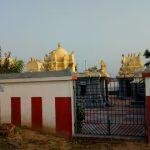
- Gopuram: The temple features a modest Rajagopuram (entrance tower) that acts as a spiritual gateway for devotees entering from the village street.
- Shrines: Separate shrines for Gnanambigai, Lord Murugan, and Lord Ganesha are strategically placed within the complex, following the principles of temple geometry.
Darshan & Ritual Logistics
To facilitate a seamless pilgrimage experience, the temple follows a traditional daily schedule. Please note that timings may vary slightly during festival seasons.
Daily Timings
| Session | Timings |
|---|---|
| Morning Darshan | 6:00 AM – 12:00 PM |
| Evening Darshan | 4:00 PM – 8:00 PM |
| Special Note | During Pradosham & Pournami, the temple remains open late. |
Key Sevas and Online Booking
Devotees can partake in various Sevas (ritual services) to enhance their spiritual journey. While physical booking is available at the temple counter, the administration is gradually digitizing services.
- Abhishekam: Ritual bathing of the deity (Daily, 7:00 AM – 9:00 AM).
- Archana: Recitation of hymns in the deity’s name.
- Rudra Abhishekam: A powerful Vedic ritual (Best performed on Mondays).
Online Seva Booking: For devotees unable to visit physically, details for online seva booking can be accessed via the official Tamil Nadu Temple portal (once updated) or by contacting the temple office directly.
2026 Major Festivals
- Maha Shivaratri: February 26, 2026 (Special night-long vigil and Abhishekam).
- Pradosham: Bi-monthly (Specific dates: March 11 & 26, 2026).
- Aadi Perukku: August 3, 2026 (Celebration of water and rivers).
- Arudra Darshanam: January 3, 2026 (Celebrating Lord Nataraja).
Practical Visitor Guidance
Ensuring a respectful and comfortable visit is paramount for all pilgrims.
Code of Conduct
- Dress Code: Traditional attire is mandatory. Men should wear dhotis or pants with shirts, and women should wear sarees, salwar kameez, or skirts.
- Photography: Photography is permitted in the outer precincts but strictly prohibited inside the sanctum sanctorum.
- Mobile Lockers: Small electronic items and footwear should be left in the designated counters outside the temple entrance.
Crowd Management & Seasonal Advice
To avoid large crowds, it is recommended to visit on weekdays (Tuesday and Friday are highly auspicious for Lord Shiva) between 9:00 AM and 11:00 AM.
Seasonal Tips: During the summer months (April–June), temperatures in Thiruvallur can rise significantly. Carrying a reusable water bottle is essential. For winter visits (December–January), mornings can be cool and pleasant.
Pilgrimage Connectivity
How to Reach
The temple is strategically located near major transit hubs in the Chennai metropolitan area.
- Nearest Railway Station: Thiruninravur Railway Station (8 km away). This is a major stop on the Chennai–Tiruvallur suburban line.
- Nearest Airport: Chennai International Airport (MAA) (approx. 30 km). A 45-minute drive via the Chennai–Bangalore Highway.
- By Road: The temple is accessible via NH 64 (formerly NH 205). It is approximately 500 meters from the Jamin Korattur Bus Stop.
Nearby Sacred Sites (Pilgrimage Circuit)
Extend your spiritual tour by visiting these nearby shrines:
- Shri Agastyeeswarar Temple (Nemam): Located just 3 km away, this temple is dedicated to Lord Shiva and is associated with the sage Agastya.
- Vadapathi Shiva Temple (Thiruninravur): A historic temple located en route to the railway station.
- Kailasanathar Temple (Thirumazhisai): A prominent Shiva temple located about 9 km away, known for its ancient inscriptions.
Frequently Asked Questions (FAQ)
1. Is there a VIP darshan entry?
The Paaleeswarar Temple administration does not currently have a designated VIP entry system. Darshan is on a first-come, first-served basis for all devotees. However, booking for special rituals like Rudra Abhishekam allows for prioritized entry during the ritual time.
2. Is there a facility for Annadhanam (Free Meal)?
While daily Annadhanam is not always guaranteed at this specific village temple, special arrangements are often made during festivals (Pradosham, Shivaratri) by local devotees. It is advisable to check with the temple custodian upon arrival.
3. What is the best time to visit to avoid crowds?
The best time for a peaceful darshan is Tuesday or Friday mornings between 7:30 AM and 9:00 AM. Avoid weekends and festival days if you prefer a quieter experience.
4. Is the temple accessible for senior citizens and wheelchairs?
The inner sanctum involves a few steps. However, the outer corridors and the main shrine area are relatively flat. The village setting means accessibility infrastructure is basic; assistance from family members is recommended for those with mobility issues.
5. What is the significance of the Paali tree mentioned in the name?
The Paali tree (Alstonia scholaris) is considered to have significant medicinal properties in Siddha medicine. Legend says that the Lord manifested beneath this tree to heal the villagers of an epidemic, hence earning the name Paaleeswarar.

Original Source & Contact
Original Source: https://tamilnadu-favtourism.blogspot.com/2018/05/paaleeswarar-temple-jamin-korattur-thiruvallur.html
Address: Paaleeswarar Temple, Jamin Korattur, Near Nemam, Thiruvallur District, Tamil Nadu.
Contact: Please contact the local village office or the temple caretaker for the latest phone numbers, as official records are currently under consolidation.
Recent Posts

Shri Kaamkoteeshwar Mandir, Varanasi – History & Significance
In the heart of Kashi, the eternal city of Lord Shiva, where the Ganges flows with celestial grace, stands the Shri Kaamkoteeshwar Mandir. This sacred Sannidhi is not merely a temple but a profound spiritual bridge between the Northern…

ओ सांवरे तूने ही मुझको संभाला – Lyrics & Meaning
ओ सांवरे तूने ही मुझको संभाला – A Prayer to Shyam Origin & Spiritual Essence Why This Bhajan Resonates Devotees chant this when overwhelmed by life’s storms—the refrain ‘तूने ही मुझको संभाला’ is the soul’s sigh of relief: “You…

कथा ये है महाराज मेरे की – Lyrics & Meaning
कथा ये है महाराज मेरे की छत्रपति संभाजी महाराज – A Prayer to Chhatrapati Sambhaji Maharaj Origin & Spiritual Essence Why This Bhajan Resonates Devotees chant this when their spirit feels tested—its powerful refrain “महाराज मेरे” is a soul’s…

Rigveda Samhita Yathartha Anuvada (ऋग्वेद संहिता यथार्थ अनुवाद) – Complete Set with Anvayartha & Hindi/English Translation
The Rigveda is the oldest surviving scripture of humanity and the foundational text of Sanātana Dharma. For serious students, scholars, UPSC aspirants studying ancient Indian history, Sanskrit learners, and spiritual seekers, a precise and grammatically structured translation is indispensable.…

आना भी अकेला है जाना भी अकेला है – Lyrics & Meaning | BharatTemples
आना भी अकेला है जाना भी अकेला है – A Prayer to the Divine Witness Origin & Spiritual Essence Why This Bhajan Resonates Devotees turn to this bhajan in moments of deep reflection—when life’s attachments begin to ache. The…

माता शेरावाली के द्वार जो भी जाता है – Lyrics & Meaning
माता शेरावाली के द्वार जो भी जाता है – A Prayer to Maa Sherawali Origin & Spiritual Essence Why This Bhajan Resonates Devotees turn to this bhajan in times of fear or uncertainty—its promise that no one leaves Maa’s…

मार लेना सपणी उबार लेणा भवरा – Lyrics & Meaning
मार लेना सपणी उबार लेणा भवरा – A Prayer to the Divine Beloved Origin & Spiritual Essence Why This Bhajan Resonates Devotees chant this in moments of deep vulnerability—its cry of “मार लेना सपणी, उबार लेणा भवरा” is the…

हमें श्याम सुंदर भरोसा तुम्हारा – Lyrics & Meaning
हमें श्याम सुंदर भरोसा तुम्हारा – A Prayer to Shyam Sundar Origin & Spiritual Essence Why This Bhajan Resonates Devotees chant this when feeling alone—its refrain ‘de do sahara’ is the soul’s cry for divine support. Lyrics in Hindi…

Mere Satguru Ne Di Thi Davai Lyrics in Hindi & Meaning
Mere Satguru Ne Di Thi Davai: Invoking the Guru’s Liberating Wisdom This soul-stirring bhajan venerates the Satguru (True Spiritual Master) as the divine physician who dispenses the only remedy for life’s deepest sufferings. Composed by Sant Karmaveer Tufani, it…

Janm Diyo Thari Maa Dukh Dekhiyo Lyrics in Hindi & Meaning
जन्म दियो थारी माँ दुख देखियो (Maa’s Grief Upon Birthing You) This soul-stirring Chetavani Bhajan (admonitory hymn) is addressed to the Divine Mother (Maa) – a call for repentance when children forget their filial duties in the dark age…