

Contents
- 1 Neelakandeswarar Temple, Gerugampakkam, Chennai
- 2 Temple Opening Time
- 3 Festivals
- 4 Introduction & Spiritual Essence
- 5 Historical Origins & Scriptural Legend
- 6 Architectural Marvels
- 7 Darshan & Ritual Logistics
- 8 Practical Visitor Guidance
- 9 Pilgrimage Connectivity
- 10 Frequently Asked Questions (FAQ)
- 11 Photo Gallery
- 12 Contact Details
- 13 Map Location
Neelakandeswarar Temple, Gerugampakkam, Chennai
| Date built: | – |
|---|---|
| Deity: | Neelakandeswarar |
| Architectural style: | Dravidian architecture |
| Major festivals | – |
| Locale: | Gerugampakkam |
| District:: | Chennai |
| Address: | Neelakandeswarar Temple,Gangaiamman Koil Street, Balakrishnan Nagar,Balaji Nagar, Tharapakkam,Gerugampakkam,Chennai – 600 122 |
| Phone | +91 99404 38264 / 96771 55245 / 94431 07809 |
Temple Opening Time
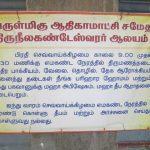
The Temple remains open from 09.00 AM to 11.00 AM and 04.30 PM to 07.00 PM.
Festivals
All Shiva related festivals are celebrated here with much pomp and glory. Monthly Pradoshams are also observed here.
Introduction & Spiritual Essence
The Neelakandeswarar Temple in Gerugampakkam, Chennai, stands as a profound sanctuary for devotees seeking relief from afflictions governed by the celestial serpent planet, Kethu. Dedicated to Lord Shiva in his form as the Blue-Throated Savior (Neelakandeswarar), this temple is classified under the Navagraha Temples of Chennai. It serves as a powerful Parihara Sthalam (remedial shrine) specifically for those suffering from Kethu Dosha in their horoscopes.
Phalaśruti: Why Devotees Visit
According to temple lore and devotee testimonials, worshipping Neelakandeswarar here aids in:
- Clearing Ancestral Karma: Offering prayers to the presiding deity and the Kethu shrine helps dissolve sins carried over from past generations.
- Remedying Kethu Dosha: It is highly believed that performing specific homams here alleviates negative effects related to Kethu, such as delays in marriage, financial stagnation, and health issues related to the nervous system.
- Mental Peace: Lord Neelakandeswarar, known for consuming the deadly poison (Halahala) during the churning of the ocean, is invoked to remove toxic thoughts and anxieties from the devotee’s mind.
Historical Origins & Scriptural Legend
Scriptural Legends
The temple is steeped in the Sthala Purana. The primary legend connects to the Samudra Manthan (Churning of the Ocean of Milk). When Lord Shiva consumed the poison to save the universe, his throat turned blue, earning him the name Neelakantha. It is believed that the Sapta Rishis (Seven Sages) worshipped the Shiva Lingam here to receive his grace. This site is also linked to the Navagraha mythology, where Lord Shiva pacified Kethu, the shadow planet representing the tail of the serpent.
Historical Timeline
While specific inscriptions dating the construction are sparse, architectural analysis and oral traditions suggest the temple dates back to the Chola Dynasty period (approximately 9th–13th century CE), a time when Shiva worship flourished in the Thondai Mandalam region. Subsequent renovations have maintained the Dravidian architectural integrity.
Architectural Marvels
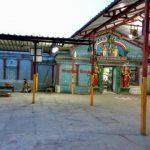
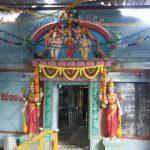
The Neelakandeswarar Temple is a classic example of Dravidian Architecture, adhering to the ancient principles of Vastu Shastra.
- Sanctum Sanctorum (Garbhagriha): The inner sanctum houses the Swayambhu (self-manifested) Shiva Lingam, oriented east-facing.
- Kethu Shrine: A distinct subsidiary shrine dedicated to Kethu Bhagavan, who is depicted with a human body and a serpent’s head, located within the temple complex.
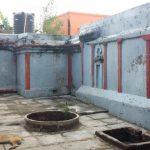
- Mandapas: The temple features pillared Mandapas (halls) used for ritual performances and gatherings, adorned with sculptures depicting various forms of Shiva.
Darshan & Ritual Logistics
Visitors are encouraged to plan their visit according to the standard operating hours. While the temple is generally open throughout the day, specific windows are allocated for ritual cleansing and rest.
Daily Timings
| Session | Timing |
|---|---|
| Morning Darshan | 09:00 AM – 11:00 AM |
| Afternoon Closure | 11:00 AM – 04:30 PM |
| Evening Darshan | 04:30 PM – 07:00 PM |
Key Sevas and Online Booking
The temple conducts regular Abhishekam (sacred bathing of the deity) and Archana (recitation of names). For the Rahu Kethu Peyarchi (transit of Rahu and Kethu), special homams are performed.
Note on Online Booking: While the temple trust manages traditional walk-in offerings, devotees are encouraged to check the official Tamil Nadu Hindu Religious & Charitable Endowments (HR&CE) website or contact the temple administration directly via the numbers provided below for digital registration of special pujas.
2026 Festival Calendar Highlights
- Pradosham: Occurring twice monthly (13th and 28th of every month), this is the ideal time for worshipping Lord Shiva. The 2026 Tamil Pradosham calendar can be obtained at the temple counter.
- Shivaratri (Feb 2026): Extended night-long darshan and special Abhishekam.
- Kethu Peyarchi: While specific dates vary based on the planetary transit, devotees should watch for announcements regarding this major event.
Practical Visitor Guidance
To ensure a serene spiritual experience, adhere to the following guidelines:
- Dress Code: Traditional attire is mandatory. Men should wear dhotis or trousers with shirts, and women should wear sarees, salwar kameez, or long skirts. Avoid shorts and sleeveless tops.
- Photography: Photography is strictly prohibited inside the sanctum sanctorum and shrines. Mobile phones should be kept on silent mode.
- Crowd Management: The best time to visit for a peaceful darshan is during the Morning session (9:00 AM – 10:00 AM) on weekdays. Avoid weekends and Pradosham days if you wish to skip crowds.
- Seasonal Advice: Chennai summers (April–June) are harsh; carry a water bottle and wear light cotton fabrics. Rainy seasons (October–December) may affect the narrow approach roads; drive carefully.
Pilgrimage Connectivity
How to Reach Neelakandeswarar Temple
The temple is strategically located in Gerugampakkam, near Porur and Kundrathur.
- By Road: Accessible via the Porur-Kundrathur main road. From Porur Junction, head towards Kundrathur. Look for the Gerugampakkam bus stand and take the left turn into the narrow cement track. Follow the Y-intersection to reach the temple.
- Nearest Railway Stations: Tambaram (14 km), Meenambakkam (15 km), Chennai Central (22 km).
- Nearest Metro: Meenambakkam Metro Station (15 km).
- Nearest Airport: Chennai International Airport (14 km via NH 48).
Nearby Sacred Sites
Extend your pilgrimage circuit by visiting these nearby temples:
- Kundrathur Murugan Temple: Situated just 6 km away, this hilltop temple offers panoramic views of Chennai.
- Mangadu Kamakshi Amman Temple: Located about 8 km away, this is a powerful shrine dedicated to Goddess Kamakshi.
- Thiruneermalai Vishnu Temple: A heritage temple complex 9 km away, featuring four different forms of Lord Vishnu.
Frequently Asked Questions (FAQ)
1. Is there a VIP or special entry darshan available?
The temple does not have a formal VIP entry system like large corporate temples. However, devotees can request priority darshan by performing Nitya Archana or specific Seva tickets at the counter. It is advisable to contact the temple administration (+91 99404 38264) to check if any special passes are available for large groups during festival days.
2. Can we perform Abhishekam ourselves?
Generally, only authorized temple priests are permitted to perform Abhishekam inside the sanctum. However, devotees can offer materials (milk, honey, coconut) to the priest, who will perform the ritual on their behalf. Devotees may be allowed to pour the water/milk during the final phase, subject to the priest’s discretion and crowd volume.
3. Is there parking available near the temple?
Due to the narrow lanes in Gerugampakkam, four-wheeler parking is limited to the streets immediately outside the temple. It is recommended to park near the Gerugampakkam bus stand and walk the remaining 600 meters to the temple.
4. How do I know if I have Kethu Dosha?
Kethu Dosha is determined by the position of the shadow planet Kethu in your Vedic horoscope (Janma Kundali). A qualified astrologer can analyze your birth chart to confirm the presence and severity of the Dosha. Visiting this temple is considered a highly effective remedy regardless of your astrological status, as it honors Lord Shiva’s cosmic aspect.
5. Are there accommodation facilities nearby?
The temple itself does not offer accommodation. However, numerous lodges and guest houses are available in the nearby Porur and Mangadu areas, catering specifically to pilgrims visiting the Navagraha circuit.
Photo Gallery
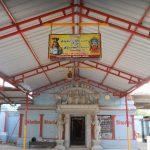
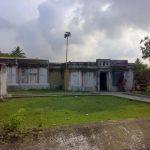
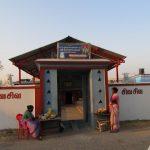
Contact Details
Neelakandeswarar Temple,Gangaiamman Koil Street, Balakrishnan Nagar,Balaji Nagar, Tharapakkam,Gerugampakkam,Chennai – 600 122
Phone: +91 44 2478 0124
Mobile: +91 99404 38264 / 96771 55245 / 94431 07809
Map Location
For navigation, please use the coordinates or click the link below:
Recent Posts

Shri Kaamkoteeshwar Mandir, Varanasi – History & Significance
In the heart of Kashi, the eternal city of Lord Shiva, where the Ganges flows with celestial grace, stands the Shri Kaamkoteeshwar Mandir. This sacred Sannidhi is not merely a temple but a profound spiritual bridge between the Northern…

ओ सांवरे तूने ही मुझको संभाला – Lyrics & Meaning
ओ सांवरे तूने ही मुझको संभाला – A Prayer to Shyam Origin & Spiritual Essence Why This Bhajan Resonates Devotees chant this when overwhelmed by life’s storms—the refrain ‘तूने ही मुझको संभाला’ is the soul’s sigh of relief: “You…

कथा ये है महाराज मेरे की – Lyrics & Meaning
कथा ये है महाराज मेरे की छत्रपति संभाजी महाराज – A Prayer to Chhatrapati Sambhaji Maharaj Origin & Spiritual Essence Why This Bhajan Resonates Devotees chant this when their spirit feels tested—its powerful refrain “महाराज मेरे” is a soul’s…

Rigveda Samhita Yathartha Anuvada (ऋग्वेद संहिता यथार्थ अनुवाद) – Complete Set with Anvayartha & Hindi/English Translation
The Rigveda is the oldest surviving scripture of humanity and the foundational text of Sanātana Dharma. For serious students, scholars, UPSC aspirants studying ancient Indian history, Sanskrit learners, and spiritual seekers, a precise and grammatically structured translation is indispensable.…

आना भी अकेला है जाना भी अकेला है – Lyrics & Meaning | BharatTemples
आना भी अकेला है जाना भी अकेला है – A Prayer to the Divine Witness Origin & Spiritual Essence Why This Bhajan Resonates Devotees turn to this bhajan in moments of deep reflection—when life’s attachments begin to ache. The…

माता शेरावाली के द्वार जो भी जाता है – Lyrics & Meaning
माता शेरावाली के द्वार जो भी जाता है – A Prayer to Maa Sherawali Origin & Spiritual Essence Why This Bhajan Resonates Devotees turn to this bhajan in times of fear or uncertainty—its promise that no one leaves Maa’s…

मार लेना सपणी उबार लेणा भवरा – Lyrics & Meaning
मार लेना सपणी उबार लेणा भवरा – A Prayer to the Divine Beloved Origin & Spiritual Essence Why This Bhajan Resonates Devotees chant this in moments of deep vulnerability—its cry of “मार लेना सपणी, उबार लेणा भवरा” is the…

हमें श्याम सुंदर भरोसा तुम्हारा – Lyrics & Meaning
हमें श्याम सुंदर भरोसा तुम्हारा – A Prayer to Shyam Sundar Origin & Spiritual Essence Why This Bhajan Resonates Devotees chant this when feeling alone—its refrain ‘de do sahara’ is the soul’s cry for divine support. Lyrics in Hindi…

Mere Satguru Ne Di Thi Davai Lyrics in Hindi & Meaning
Mere Satguru Ne Di Thi Davai: Invoking the Guru’s Liberating Wisdom This soul-stirring bhajan venerates the Satguru (True Spiritual Master) as the divine physician who dispenses the only remedy for life’s deepest sufferings. Composed by Sant Karmaveer Tufani, it…

Janm Diyo Thari Maa Dukh Dekhiyo Lyrics in Hindi & Meaning
जन्म दियो थारी माँ दुख देखियो (Maa’s Grief Upon Birthing You) This soul-stirring Chetavani Bhajan (admonitory hymn) is addressed to the Divine Mother (Maa) – a call for repentance when children forget their filial duties in the dark age…