Contents
- 1 Bala Subramanya Swamy Temple, Vellimalai
- 2 1. Introduction & Spiritual Essence
- 3 2. Historical Origins & Scriptural Legend
- 4 3. Architectural Marvels
- 5 4. Darshan & Ritual Logistics
- 6 5. Practical Visitor Guidance
- 7 6. Pilgrimage Connectivity
- 8 Photo Gallery
- 9 7. Frequently Asked Questions (FAQs)
- 10 Contact Details
Bala Subramanya Swamy Temple, Vellimalai
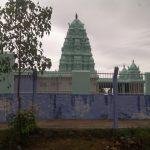
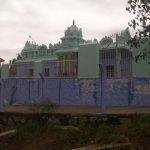
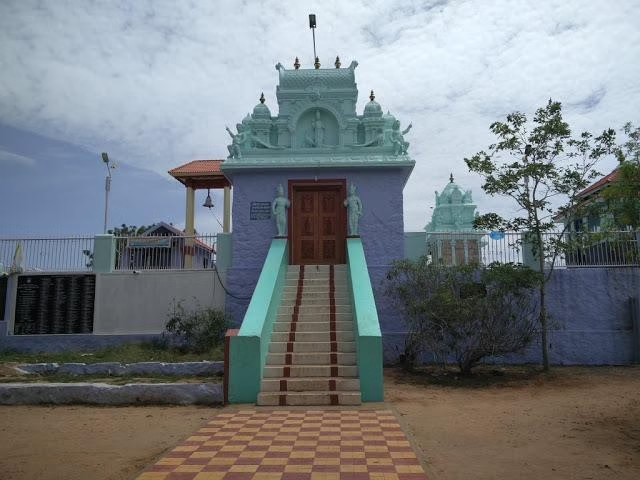
Perched atop the picturesque 200-foot Vellimalai hill in the Kanyakumari district, the Bala Subramanya Swamy Temple stands as a beacon of spiritual solace and ancient heritage. Overlooking the convergence of the Western Ghats and the Arabian Sea, this Dravidian architectural marvel is dedicated to Lord Murugan in his form as Bala Subramanya (the youthful god of wisdom and victory).
| Date built: | – |
|---|---|
| Deity: | Bala Subramanya Swamy |
| Architectural style: | Dravidian architecture |
| Major festivals | – |
| Locale: | Vellimalai |
| District:: | Kanyakumari |
| Address: | – |
| Phone | – |
1. Introduction & Spiritual Essence
The Bala Subramanya Swamy Temple is a prominent Hindu shrine dedicated to Lord Murugan. The temple is situated at the summit of Vellimalai, a hill located in the southernmost tip of the Indian subcontinent. Surrounded by the verdant Western Ghats to the north and the vast Arabian Sea to the south, the temple offers a unique spiritual atmosphere that blends the serenity of nature with divinity.
Phalaśruti: The Benefits of Darshan
According to temple lore and devotee testimonials, the deity of Vellimalai grants specific boons (Phalaśruti) to those who visit with a pure heart:
- Removal of Impediments: Devotees believe that sincere prayer here dissolves obstacles in career, education, and personal life.
- Relief from Mental Agony: The hilltop location is said to have healing properties, offering peace to those suffering from depression and anxiety.
- Divine Grace for Fertility: A potent local belief holds that barren women who worship here with devotion are blessed with healthy children.
- Ancestral Cleansing: Performing specific Vrathas (vows) during the Skanda Sashti festival is equated to years of penance, helping cleanse ancestral karma.
2. Historical Origins & Scriptural Legend
While the exact construction date is etched in local folklore rather than stone inscriptions, the history of Vellimalai dates back nearly 1,200 years.
The Siddhar and the Hill
Tradition holds that the hill was originally a dense forest inhabited by a Siddhar (a holy sage with mystical powers) known for curing chronic diseases. One day, this sage emerged from a cave at the foot of the hill and ascended to the summit. Before the eyes of the gathered villagers, he vanished into a beam of light. Recognizing this as a divine manifestation of Lord Muruga, the locals began worshipping the spot every Friday, lighting lamps on the bare rock.
Evolution of the Structure
- Early Worship: Initially, a simple thatched shed was erected over the sacred spot.
- The Tiled Era: By the early 20th century, the shed was replaced by a tiled structure, attracting devotees from various communities including Nadars, Brahmins, and Parayas.
- The Modern Temple (1937 onwards): The current stone structure was the result of the tireless efforts of Mr. A. Palaniyandi Pillai and the Temple Endowment Committee. A miraculous event occurred when Dr. Chellakkan, a local landowner, initially refused to donate land for road access. However, after Lord Muruga appeared in his dream and instructed him to do so, the doctor immediately granted the land, allowing pilgrims to reach the hilltop easily.Bala Subramanya Swamy Temple is a Hindu Temple dedicated to Lord Murugan located at Vellimalai in Kanyakumari District of Tamilnadu. This Temple is located atop of the hill Vellimalai. This Temple attracts lot of pilgrims from the surrounding areas. The 200 feet high Vellimalai hill is located in the southern tip of the Indian subcontinent. South of this hill is the ocean and north of the hill are the Western Ghats. In this scenic area is located the ancient Balasubramanya swami temple on top of the Velli malai hill.
3. Architectural Marvels
Dravidian Style & Vastu Shastra
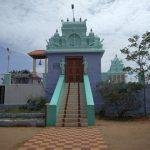
The temple showcases classic Dravidian architecture, characterized by its tiered Vimana (tower) and spacious Mandapas (halls). The structure is oriented according to Vastu principles, ensuring the flow of positive energy from the entrance to the sanctum sanctorum.
Notable Features
While the hilltop limits the footprint, the temple features:
- The Sanctum (Garbhagriha): Housing the idol of Bala Subramanya, which is smaller and more youthful in appearance compared to the standing Murugan idols found in Tiruchendur.
- The Mandapas: Pillared halls used for rituals and gatherings, providing shade and a resting place for pilgrims.
- Sculptures: The temple walls and pillars feature intricate carvings depicting scenes from the Skanda Purana and the life of Lord Muruga.
4. Darshan & Ritual Logistics
The temple follows the Kerala Tantram system of worship, a tradition shared by many temples in the Kanyakumari district. The presiding deities are Bala Subramanya Swamy (Murugan) and his consort Valli.
Daily Timings (2026 Schedule)
Timings are subject to change during festival seasons.
Session Timing Morning Darshan 6:00 AM – 11:30 AM Afternoon Closure 11:30 AM – 4:00 PM Evening Darshan 4:00 PM – 8:00 PM Pooja Break 12:30 PM – 1:30 PM Key Sevas & Online Booking
Devotees can book specific rituals in advance. The temple administration is currently upgrading its digital interface for 2026.
- Abhishekam: Ritual bathing of the deity with milk, honey, and sandalwood paste.
- Archana: Recitation of hymns and offering of flowers.
- Annadhanam: Offering food to devotees (highly meritorious).
Booking Status: To book online Sevas, please visit the official Kanyakumari Temple Trust portal or the Contact Details section below.
2026 Festival Dates
The temple celebrates major festivals with grandeur:
- Thai Poosam: January 2026 (Tamil Month of Thai)
- Maasi Magam: February 2026
- Chithirai Thiruvizha: April 2026
- Skanda Sashti: May/June 2026 (The most important festival, featuring the Sura Samharam reenactment).
- Aadi Kirthikai: July/August 2026
- Karthigai Deepam: November 2026
5. Practical Visitor Guidance
Code of Conduct
- Dress Code: Modest attire is mandatory. Men should wear dhotis or formal pants with shirts; women should wear sarees, salwar kameez, or long skirts.
- Photography: Strictly prohibited inside the Sanctum Sanctorum. Photography is allowed in the outer prakaram (corridor) with discretion.
- Electronics: Mobile phones should be switched to silent mode. Locker facilities are available at the hill base entrance for valuables.
Crowd Management & Seasons
- Best Time to Visit: Early mornings (6:00 AM – 8:00 AM) on weekdays offer the calmest darshan experience.
- Seasonal Advice:
- Summer (May): The granite steps become hot. Carry water bottles and wear protective headgear.
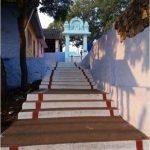
- Monsoon (Oct–Nov): The hill becomes lush and green, but slippery. Use handrails while climbing.
- Winter (Dec–Jan): The ideal time to visit, with cool sea breezes and pleasant weather.
6. Pilgrimage Connectivity
How to Reach
By Air: The nearest airport is Trivandrum International Airport (TCR), located approximately 72 km away.
By Rail: The nearest railway station is Eraniel Railway Station (5 km). Nagercoil Junction (14 km) is a major railhead with frequent connections to Chennai and Tirunelveli.
By Road: The temple is accessible via two main routes: 1. From Kalpadi (via Eraniel).
2. From Manavilai (via Thuckalay).
National Highway 66 (formerly NH 47) passes through the region.Nearby Sacred Sites (Pilgrimage Circuit)
- Kanyakumari Amman Temple: Located 32 km away at the southern tip of India.
- Thanumalayan Temple (Suchindram): Famous for its musical pillars, 18 km away.
- Muttom Beach: A scenic coastal spot 7 km away, ideal for relaxation after darshan.
Photo Gallery

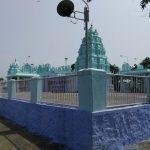
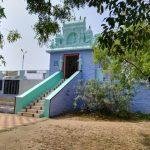
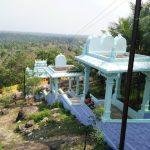
dav hdr 2017-06-09 (1), Bala Subramanya Swamy Temple, Vellimalai, Kanyakumari dav 2017-xds05-31, Bala Subramanya Swamy Temple, Vellimalai, Kanyakumari IMG_20170219_143341, Bala Subramanya Swamy Temple, Vellimalai, Kanyakumari moto_0116, Bala Subramanya Swamy Temple, Vellimalai, Kanyakumari moto_0117, Bala Subramanya Swamy Temple, Vellimalai, Kanyakumari 645654, Bala Subramanya Swamy Temple, Vellimalai, Kanyakumari 201v7-06-09, Bala Subramanya Swamy Temple, Vellimalai, Kanyakumari 7. Frequently Asked Questions (FAQs)
Is there a VIP darshan entry available?
Yes, the temple administration offers a special entry darshan for elderly citizens and differently-abled pilgrims. VIP tickets can be purchased at the counter near the hill base, subject to availability.
What is the significance of Kanji served here?
Kanji (a rice-based porridge) is the primary Prasadam offered to devotees. It is believed to be specially blessed by Lord Muruga to aid digestion and health, particularly consumed on the last Friday of every Tamil month.
Are non-Hindus allowed inside the temple?
As per the Tamil Nadu Hindu Religious and Charitable Endowments (HR&CE) guidelines, entry is restricted to Hindus. However, visitors of other faiths are welcome to admire the hilltop architecture and nature from the outer courtyards.
Is there accommodation available at the temple?
There are no guesthouses directly atop the hill. However, basic lodgings and guesthouses are available in Nagercoil and Eraniel, both just a short drive away.
What makes Vellimalai unique compared to other Murugan temples?
Vellimalai is uniquely situated where the hills meet the ocean. It is also revered as the birthplace of Valli, Lord Muruga’s consort, adding a distinct mythological layer compared to other Padai Veedus (battlefields) of Muruga.
Contact Details
Official Address:
Bala Subramanya Swamy Temple,
Vellimalai, Kanyakumari District,
Tamil Nadu, India.For Pooja Bookings & Enquiries:
Please contact the Temple Executive Officer or the Kanyakumari Devasthanam Office.Recent Posts
Shri Kaamkoteeshwar Mandir, Varanasi – History & Significance
In the heart of Kashi, the eternal city of Lord Shiva, where the Ganges flows with celestial grace, stands the Shri Kaamkoteeshwar Mandir. This sacred Sannidhi is not merely a temple but a profound spiritual bridge between the Northern…
ओ सांवरे तूने ही मुझको संभाला – Lyrics & Meaning
ओ सांवरे तूने ही मुझको संभाला – A Prayer to Shyam Origin & Spiritual Essence Why This Bhajan Resonates Devotees chant this when overwhelmed by life’s storms—the refrain ‘तूने ही मुझको संभाला’ is the soul’s sigh of relief: “You…
कथा ये है महाराज मेरे की – Lyrics & Meaning
कथा ये है महाराज मेरे की छत्रपति संभाजी महाराज – A Prayer to Chhatrapati Sambhaji Maharaj Origin & Spiritual Essence Why This Bhajan Resonates Devotees chant this when their spirit feels tested—its powerful refrain “महाराज मेरे” is a soul’s…
Rigveda Samhita Yathartha Anuvada (ऋग्वेद संहिता यथार्थ अनुवाद) – Complete Set with Anvayartha & Hindi/English Translation
The Rigveda is the oldest surviving scripture of humanity and the foundational text of Sanātana Dharma. For serious students, scholars, UPSC aspirants studying ancient Indian history, Sanskrit learners, and spiritual seekers, a precise and grammatically structured translation is indispensable.…
आना भी अकेला है जाना भी अकेला है – Lyrics & Meaning | BharatTemples
आना भी अकेला है जाना भी अकेला है – A Prayer to the Divine Witness Origin & Spiritual Essence Why This Bhajan Resonates Devotees turn to this bhajan in moments of deep reflection—when life’s attachments begin to ache. The…
माता शेरावाली के द्वार जो भी जाता है – Lyrics & Meaning
माता शेरावाली के द्वार जो भी जाता है – A Prayer to Maa Sherawali Origin & Spiritual Essence Why This Bhajan Resonates Devotees turn to this bhajan in times of fear or uncertainty—its promise that no one leaves Maa’s…
मार लेना सपणी उबार लेणा भवरा – Lyrics & Meaning
मार लेना सपणी उबार लेणा भवरा – A Prayer to the Divine Beloved Origin & Spiritual Essence Why This Bhajan Resonates Devotees chant this in moments of deep vulnerability—its cry of “मार लेना सपणी, उबार लेणा भवरा” is the…
हमें श्याम सुंदर भरोसा तुम्हारा – Lyrics & Meaning
हमें श्याम सुंदर भरोसा तुम्हारा – A Prayer to Shyam Sundar Origin & Spiritual Essence Why This Bhajan Resonates Devotees chant this when feeling alone—its refrain ‘de do sahara’ is the soul’s cry for divine support. Lyrics in Hindi…
Mere Satguru Ne Di Thi Davai Lyrics in Hindi & Meaning
Mere Satguru Ne Di Thi Davai: Invoking the Guru’s Liberating Wisdom This soul-stirring bhajan venerates the Satguru (True Spiritual Master) as the divine physician who dispenses the only remedy for life’s deepest sufferings. Composed by Sant Karmaveer Tufani, it…
Janm Diyo Thari Maa Dukh Dekhiyo Lyrics in Hindi & Meaning
जन्म दियो थारी माँ दुख देखियो (Maa’s Grief Upon Birthing You) This soul-stirring Chetavani Bhajan (admonitory hymn) is addressed to the Divine Mother (Maa) – a call for repentance when children forget their filial duties in the dark age…