
Contents
- 1 Nagaraja Temple Nagercoil: A Definitive 2026 Pilgrimage Guide
Nagaraja Temple Nagercoil: A Definitive 2026 Pilgrimage Guide
Introduction & Spiritual Essence: The Serpent King’s Abode
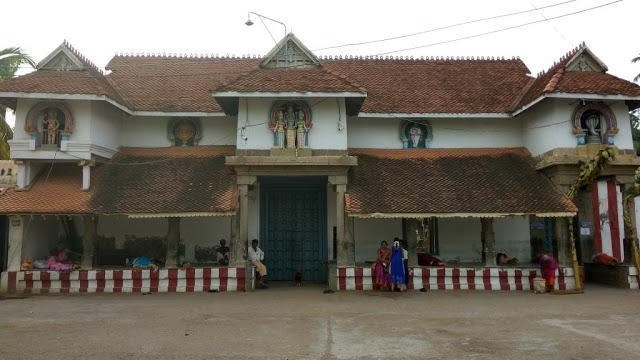
Nestled in the heart of Kanyakumari district, the Nagaraja Temple in Nagercoil stands as a unique beacon of serpentine worship. As the namesake deity of the town itself—derived from Naga (Serpent) and Col (Curl or Coil)—this temple is a profound spiritual sanctuary where four major religions converge: Hinduism, Jainism, Buddhism, and Vaishnavism.
The primary deity is Nagaraja, the King of Serpents, worshipped in a five-headed form. Unlike typical stone sculptures, the idol here is enshrined in a natural setting, emphasizing the organic connection between the divine and nature. It is believed to be a Swayambhu (self-manifested) idol discovered by a Nampoothiri Brahmin from Kerala.
Phalaśruti: The Spiritual Benefits
Devotees flock to this temple seeking relief from astrological afflictions, specifically Sarpa Dosham (the ill effects of snake planets like Rahu and Ketu). The temple is renowned for:
- Curing Skin Ailments: The soil of the sanctum (prasadam) is believed to possess medicinal properties for skin diseases, a legend stemming from the discovery of the idol.
- Blessing Childless Couples: It is a powerful site for Santan Prapti (attaining progeny), with countless testimonials of couples conceiving after sincere prayer.
- Relief from Kala Sarpa Dosha: Performing the Noorum Palum ritual here is considered highly effective for nullifying negative planetary alignments involving serpents.
Historical Origins & Scriptural Legend
The history of the Nagaraja Temple is a tapestry of myth, medieval history, and divine intervention. While the exact century of construction is not definitively stamped in secular records, tradition holds that the temple’s origins date back over a millennium, with significant expansions occurring during the reign of the Travancore monarchs.
The Legend of Discovery
According to the Sthala Purana, a senior Brahmin from the Paambummekaatu Mana in Thrissur, Kerala, had a vision of Vasuki (the celestial serpent). He carried the idol to his residence, where miracles of healing occurred. On a subsequent visit to a Pandya king to cure him of leprosy, the Brahmin passed through the current site of Nagercoil. There, he witnessed a peasant woman’s sickle strike a hidden stone idol, causing blood to miraculously ooze out. Realizing the divine nature of the five-headed Nagaraja idol, he consecrated it on the spot.
Scriptural and Royal Patronage
The temple finds mention in ancient texts linking the Nagas to the Mahendragiri mountain range (located near Kanyakumari). The Valmiki Ramayana references Naga habitation in this region. The current structure is attributed to the King of Kalakad in the 18th century. After being miraculously cured of leprosy on an Avani Sunday, the king built the temple as an act of gratitude. The temple rituals strictly follow the Kerala tradition (Tantric rites), reflecting the region’s history under the Travancore administration before 1956.
Architectural Marvels
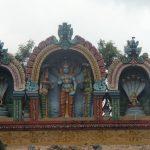
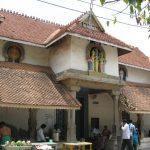
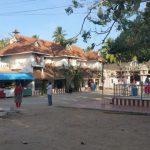
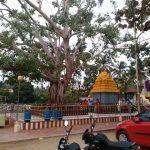
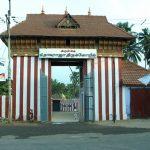
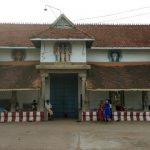
The temple showcases a distinct Dravidian architectural style, blended with Kerala influences. The structure is designed according to Vastu Shastra, facing east to welcome the rising sun.
- The Sanctum Sanctorum (Srikoil): The inner shrine houses the Nagaraja idol alongside Lord Shiva and Lord Vishnu, symbolizing the harmony between Saivism and Vaishnavism.
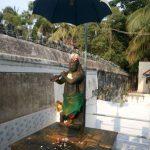
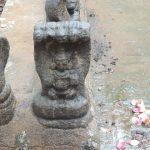
- Sculptures and Iconography: The temple is adorned with innumerable statues of serpents. Notable are the two large stone carvings depicting the Jain legend of Dharnendra and Padmavathy protecting Parsvanatha. The walls are rich with iconography representing the Ashta Nagas (eight serpents).
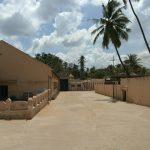
- The Ratha Street: The temple is encircled by four streets, known as the Ratha streets, used for ceremonial processions during festivals like Thaipoosam.
- Meru Mandapa: The unique south entrance, known as Maha Meru Maaligai, is linked to the legend where a cobra protected King Marthanda Varma from assassination.
Darshan & Ritual Logistics (2026 Guide)
Temple rituals follow a strict schedule. The Tantri (chief priest) rotates annually between lineages from Thiruvalla and the Paambummekaatu Mana to maintain ritual purity.
Daily Temple Timings
The temple remains open for devotees in the morning and evening. Note: Timings may vary slightly during festival days.
| Session | Timing | Activity |
|---|---|---|
| Morning | 4:00 AM | Opening of Sanctum |
| 5:00 AM | Ushathkala Pooja | |
| 10:00 AM | Uchikala Abhishekam | |
| 11:00 AM | Uchikala Pooja | |
| Midday | 11:30 AM | Temple Closes (Reopens 5:00 PM) |
| Evening | 5:00 PM | Temple Opens |
| 6:30 PM | Sayaratchai Pooja (Twilight Ritual) | |
| 7:45 PM | Arthajama Pooja (Closing Ritual) |
Key Sevas & Online Booking
Devotees can participate in specific rituals to enhance their spiritual experience. Online Seva Booking is generally facilitated through the Tamil Nadu HR&CE department portal.
- Abhishekam: Performed with milk, tender coconut water, and sandalwood paste. Special Milk Abhishekam is popular for remedying planetary afflictions.
- Archana: Recitation of names dedicated to Nagaraja. Ashlesha Bali and Naga Pratishta are specific archanas for Sarpa Dosham.
- Noorum Palum: A unique ritual where devotees offer lime and milk to the snake idols to remove negative energies.
- Prasadam: The sanctified red soil of the temple is distributed as Thulabharam or Prasadam.
2026 Festival Calendar
The temple hosts vibrant festivals. Plan your visit around these dates for a lively darshan experience.
- Thai Brahmmotsavam & Thai Poosam: January – February 2026. The grand chariot festival where Lord Krishna (as Adhishesha) is taken around the Ratha streets.
- Avani Sundays & Aavani Aslesha (Aayilyam): August 2026. This is the most significant period for snake worship, believed to be the time the King of Kalakad was cured of leprosy.
- Navarathri: September – October 2026.
- Skanda Sashti & Tirukarthikai: November – December 2026.
Practical Visitor Guidance
Rules & Etiquette
- Dress Code: Traditional attire is mandatory. Men should wear Veshti (dhoti) or formal trousers with a shirt; women should wear saree, half-saree, or churidar.
- Photography: Strictly prohibited inside the Sanctum Sanctorum and the inner praharam (corridor).
- Mobile Phones: Electronic devices are not allowed inside the shrine. Utilize the mobile locker facilities provided near the entrance.
- Footwear: Remove footwear before entering the temple premises.
Crowd Management & Best Times to Visit
- Best Hours: The ideal time for a peaceful Suprabhatham is between 4:30 AM and 6:00 AM. For evening darshan, 5:00 PM to 6:00 PM is recommended.
- Weekend Rush: Sundays and public holidays see heavy footfall, especially during the Avani month (August/September).
- Seasonal Advice: Kanyakumari experiences tropical heat. Carry a bottle of water; however, free drinking water is available near the temple tank. Use an umbrella during the summer months (March–May) while queuing for the chariot procession.
Pilgrimage Connectivity
How to Reach Nagaraja Temple
The temple is centrally located in Nagercoil, making it highly accessible.
- By Air: The nearest airport is Trivandrum International Airport (TRV), located approximately 70 km away. Taxis and buses are available from the airport to Nagercoil.
- By Rail: Nagercoil Junction Railway Station (NCJ) is the nearest railhead, located just 1 km from the temple. It is well-connected to major cities like Chennai, Bangalore, and Mumbai.
- By Road: Nagercoil is connected via National Highway 66 (formerly NH 47). The temple is a short auto-rickshaw ride (or walk) from the Nagercoil Bus Stand.
Nearby Sacred Sites (Pilgrimage Circuit)
Extend your spiritual journey by visiting these nearby tirthas:
- Suchindram Thanumalayan Temple (10 km): Famous for its massive monolithic statues and musical pillars. A must-visit for its architectural grandeur.
- Kanyakumari Amman Temple (20 km): The southernmost tip of India, dedicated to Devi Kanya Kumari. Visiting after the Nagaraja Temple completes the spiritual circuit of Kanyakumari.
- Padmanabhapuram Palace (14 km): A wooden palace of the Travancore kings, showcasing Kerala-style architecture and historical artifacts.
Frequently Asked Questions (FAQ)
1. Is there a VIP Darshan entry available?
Yes, the temple administration offers special darshan tickets (often referred to as VIP or Quick Darshan) at a nominal price. These tickets allow devotees to bypass the general queue, especially during weekdays. Tickets can be purchased at the temple counter upon arrival.
2. Can I perform a Sarpasamskara Pooja for Naga Dosha?
Absolutely. The Nagaraja Temple is one of the most powerful centers for Sarpasamskara. It is advisable to book the Ashlesha Bali or Naga Pratishta rituals in advance through the temple office or the online HR&CE portal to ensure the presence of the senior Tantri.
3. What is the significance of the red soil given as Prasadam?
The red soil is taken directly from the sanctum of Nagaraja. Legend states that the idol was struck by a sickle during its discovery, and the blood from the idol turned the soil red. This soil is considered highly medicinal and is traditionally used to treat skin diseases and allergic reactions.
4. Are there cobras inside the temple?
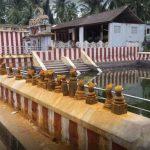
While the temple is dedicated to the King of Serpents, live cobras are rarely sighted inside the sanctum, though they are believed to inhabit the temple tank and garden. Remarkably, despite the high population of snakes in the area, there are no records of snake bites occurring within the temple premises.
5. Is the temple accessible for elderly devotees?
Yes. The temple is located on flat ground with ramps provided for wheelchair access and elderly visitors. The shrine is compact, allowing for a complete darshan without extensive walking.
Contact Details
Nagaraja TempleNagercoil – 629 001
Kanyakumari District, Tamil Nadu
Phone: +91 4652 232 420 / 241 270
Mobile: +91 94439 92216
Recent Posts

Shri Kaamkoteeshwar Mandir, Varanasi – History & Significance
In the heart of Kashi, the eternal city of Lord Shiva, where the Ganges flows with celestial grace, stands the Shri Kaamkoteeshwar Mandir. This sacred Sannidhi is not merely a temple but a profound spiritual bridge between the Northern…

ओ सांवरे तूने ही मुझको संभाला – Lyrics & Meaning
ओ सांवरे तूने ही मुझको संभाला – A Prayer to Shyam Origin & Spiritual Essence Why This Bhajan Resonates Devotees chant this when overwhelmed by life’s storms—the refrain ‘तूने ही मुझको संभाला’ is the soul’s sigh of relief: “You…

कथा ये है महाराज मेरे की – Lyrics & Meaning
कथा ये है महाराज मेरे की छत्रपति संभाजी महाराज – A Prayer to Chhatrapati Sambhaji Maharaj Origin & Spiritual Essence Why This Bhajan Resonates Devotees chant this when their spirit feels tested—its powerful refrain “महाराज मेरे” is a soul’s…

Rigveda Samhita Yathartha Anuvada (ऋग्वेद संहिता यथार्थ अनुवाद) – Complete Set with Anvayartha & Hindi/English Translation
The Rigveda is the oldest surviving scripture of humanity and the foundational text of Sanātana Dharma. For serious students, scholars, UPSC aspirants studying ancient Indian history, Sanskrit learners, and spiritual seekers, a precise and grammatically structured translation is indispensable.…

आना भी अकेला है जाना भी अकेला है – Lyrics & Meaning | BharatTemples
आना भी अकेला है जाना भी अकेला है – A Prayer to the Divine Witness Origin & Spiritual Essence Why This Bhajan Resonates Devotees turn to this bhajan in moments of deep reflection—when life’s attachments begin to ache. The…

माता शेरावाली के द्वार जो भी जाता है – Lyrics & Meaning
माता शेरावाली के द्वार जो भी जाता है – A Prayer to Maa Sherawali Origin & Spiritual Essence Why This Bhajan Resonates Devotees turn to this bhajan in times of fear or uncertainty—its promise that no one leaves Maa’s…

मार लेना सपणी उबार लेणा भवरा – Lyrics & Meaning
मार लेना सपणी उबार लेणा भवरा – A Prayer to the Divine Beloved Origin & Spiritual Essence Why This Bhajan Resonates Devotees chant this in moments of deep vulnerability—its cry of “मार लेना सपणी, उबार लेणा भवरा” is the…

हमें श्याम सुंदर भरोसा तुम्हारा – Lyrics & Meaning
हमें श्याम सुंदर भरोसा तुम्हारा – A Prayer to Shyam Sundar Origin & Spiritual Essence Why This Bhajan Resonates Devotees chant this when feeling alone—its refrain ‘de do sahara’ is the soul’s cry for divine support. Lyrics in Hindi…

Mere Satguru Ne Di Thi Davai Lyrics in Hindi & Meaning
Mere Satguru Ne Di Thi Davai: Invoking the Guru’s Liberating Wisdom This soul-stirring bhajan venerates the Satguru (True Spiritual Master) as the divine physician who dispenses the only remedy for life’s deepest sufferings. Composed by Sant Karmaveer Tufani, it…

Janm Diyo Thari Maa Dukh Dekhiyo Lyrics in Hindi & Meaning
जन्म दियो थारी माँ दुख देखियो (Maa’s Grief Upon Birthing You) This soul-stirring Chetavani Bhajan (admonitory hymn) is addressed to the Divine Mother (Maa) – a call for repentance when children forget their filial duties in the dark age…