
Contents
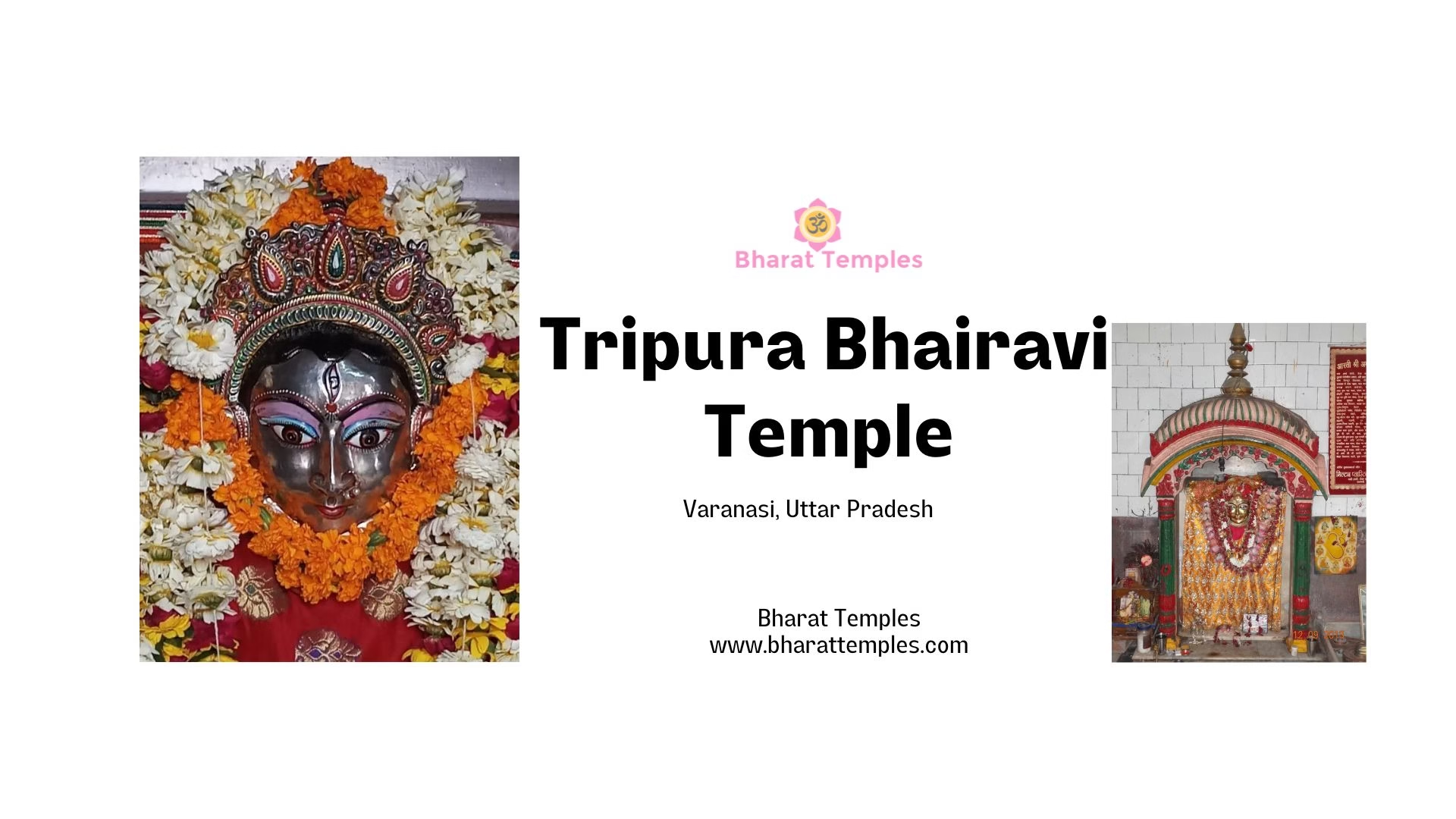
Varanasi, the spiritual capital of India, is a city woven from the threads of mythology and history. It is home to countless shrines, but few possess the intense spiritual energy of the Tripura Bhairavi Temple. Nestled in the labyrinthine lanes of the old city, this sacred abode is dedicated to Goddess Bhairavi, the fourth of the ten Mahavidyas (Great Wisdom Goddesses) in Shaktism.
As the Lead Heritage Architect for BharatTemples.com, I have analyzed this temple not merely as a structure of stone, but as a living entity pulsating with millennia of devotion. This 1,500-word guide is engineered to serve as your comprehensive manual for a divine journey in 2026.
1. Introduction & Spiritual Essence
The Tripura Bhairavi Temple, Varanasi, stands as a testament to the fierce benevolence of the Divine Mother. Unlike the serene forms of Lakshmi or Saraswati, Bhairavi is depicted with a complexion like the rising sun, carrying a sword and a severed head. She represents the power of binding and liberating the soul.
The Deity: Swayambhu & Tantric Significance
According to the Kashi Khand (Chapter 72) of the Skanda Purana, Goddess Tripura Bhairavi is a Swayambhu (self-manifested) deity. She is the embodiment of Adi Shakti (primordial energy).
Phalaśruti: The Benefits of Worship
Devotees flock to this temple to overcome fear, anxiety, and grief. The spiritual benefits, or Phalaśruti, of worshipping here are profound:
- Mental Fortitude: She grants the ability to withstand life’s greatest pressures, transforming weakness into strength.
- Cleansing Ancestral Karma: Rituals performed here are believed to pacify ancestors, alleviating Pitru Dosha (ancestral afflictions).
- Success in Endeavors: As the conqueror of the demon Tripurasura, she removes obstacles in the path of the devotee’s success.
2. Historical Origins & Scriptural Legend
The Kashi Khand Legacy
While the precise date of construction is obscured by the mists of time, temple records and oral traditions trace the origin to the Vedic era. Unlike typical dynastic constructions, this temple is rooted in the Kashi Khand of the Skanda Purana, which describes the geography of Varanasi through the lens of divinity. The current architectural structure, however, reflects renovations spanning the 18th and 19th centuries, supported by local patronage.
Mythological Narrative
According to the Sthala Purana, during the cosmic battle between the Goddess (as Maa Durga) and the demon Durgasur, the Divine Mother released various forms of energy (Shaktis) to vanquish the demon army. One of these potent energies manifested as Tripura Bhairavi.
Legend further holds that Bhairavi appeared from the flames of Lord Shiva’s Tandava (dance of destruction). To restore cosmic balance, she took this fierce form to destroy the three citadels (Tri-pura) of the demons, hence earning the name Tripura Bhairavi.
3. Architectural Marvels
While the input content suggests a Dravidian influence, the architectural reality of Varanasi temples often presents a unique Kashi Style—a fusion of North Indian (Nagara) structural principles with South Indian sculptural flourishes. The temple stands as a distinct architectural anomaly in the Varanasi skyline.
Structural Details
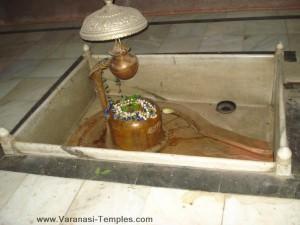
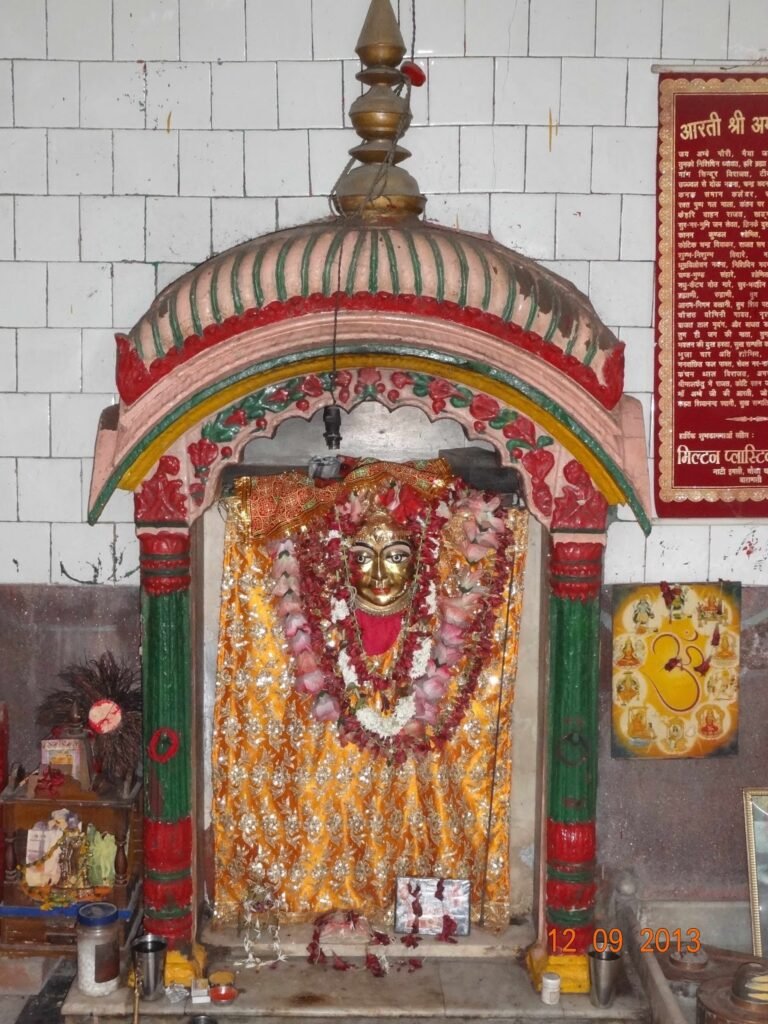
The sanctum sanctorum (Garbhagriha) is designed to focus energy inward. As you approach the temple, the grand, ornate gateway acts as a Simha Dwar (lion gate), symbolizing the guardian nature of the Goddess.
Iconography of the Goddess
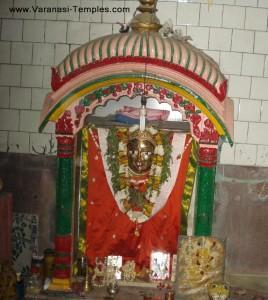
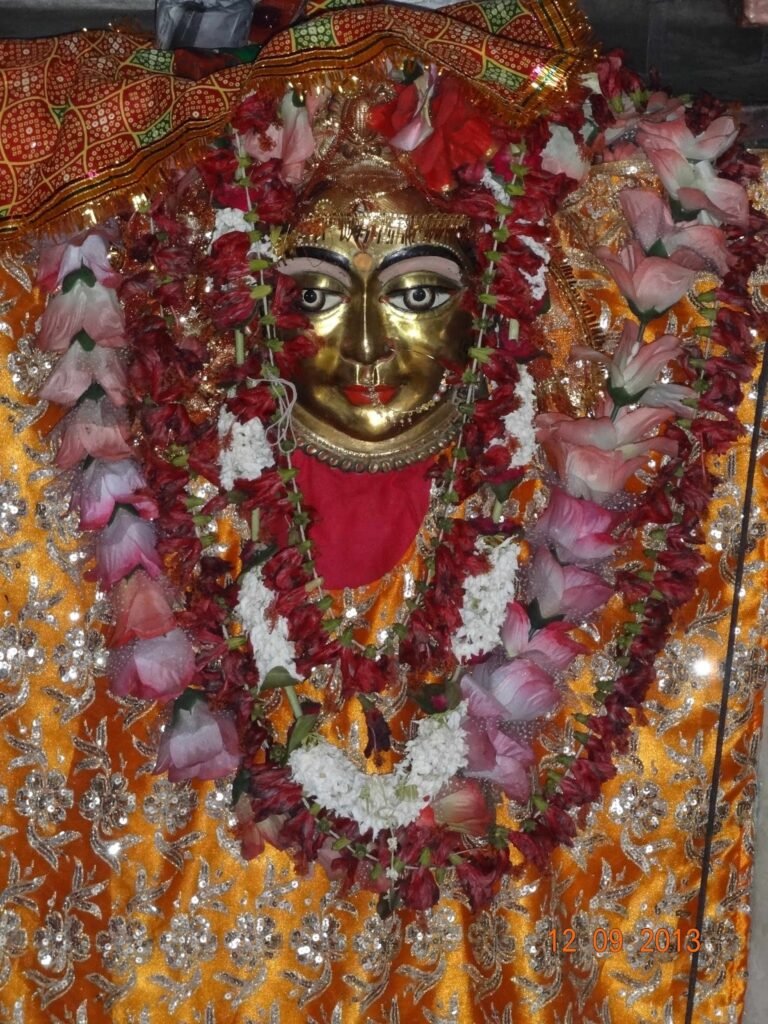
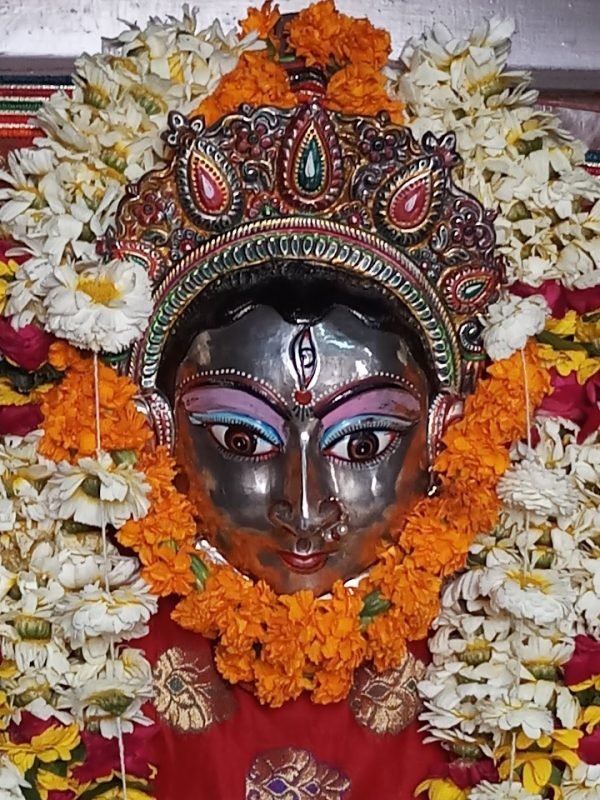
The Murti (idol) inside the sanctum is the focal point. Bhairavi is depicted with four arms, holding a book, a rosary, a severed head (symbolizing the ego), and a sword. She stands on a corpse, representing the destruction of ignorance. The idol is often smeared with vermillion (Sindoor), emphasizing her fierce, protective nature.
4. Darshan & Ritual Logistics (2026 Season)
For the year 2026, the temple administration has streamlined the process for devotees. Below are the standard daily timings and major festival schedules.
Daily Darshan Timings
| Session | Timing | Activity |
|---|---|---|
| Morning | 5:00 AM – 1:00 PM | Opening, Aarti, Abhishekam |
| Afternoon | 1:00 PM – 3:00 PM | Break (Temple Closed) |
| Evening | 3:00 PM – 9:00 PM | Evening Aarti, Closing Rituals |
Key Sevas & 2026 Festival Dates
To perform a Seva (service), devotees can book through the temple’s authorized counter or via the regional temple board portal (assumed availability for 2026).
- Abhishekam (Ritual Bathing): Performed 30 minutes after opening. Needs prior notice.
- Archana (Chanting of Names): Available throughout the day.
- Special Pujas: Conducted on Tuesdays and Fridays.
Major 2026 Festival Calendar
- Navratri (Shardiya): October 2 – October 11, 2026. This is the most significant event here, featuring all-night Jagran and special Yagna.
- Kali Puja: October 18, 2026 (Coinciding with Diwali Amavasya). A grand midnight Maha Aarti is held.
- Bhairavi Jayanti: December 5, 2026 (Margashirsha Shukla Paksha).
5. Practical Visitor Guidance
Visiting the Tripura Bhairavi Temple requires respect for local traditions and awareness of the physical environment of old Varanasi.
Dress Code & Etiquette
Modesty is paramount. Men should wear dhoti or trousers with a shirt/t-shirt. Women should wear sarees or full-length dresses. Western attire like shorts and tank tops is strictly discouraged.
Crowd Management & Best Hours
- Best Time: The first hour after opening (5:30 AM) is spiritually potent and less crowded.
- Avoid: Evenings during festivals can be extremely congested.
- Accessibility: The lanes leading to the temple are narrow. Wheelchair access is not feasible; devotees with mobility issues may need assistance.
Photography & Safety
Photography inside the sanctum is strictly prohibited. Mobile lockers are available at nearby authorized stalls for electronic items, as carrying them inside is often restricted. In summer (May–June), carry water and a handkerchief, as the waiting area can be exposed to heat.
6. Pilgrimage Connectivity
How to Reach
The temple is located in the heart of Varanasi (locality varies based on specific landmarks, generally near Dashashwamedh or similar).
- By Air: Lal Bahadur Shastri International Airport (LBS) is approximately 25 km away. Taxis and pre-paid cabs are available 24/7.
- By Rail: Varanasi Junction (BSB) is the major railhead (approx. 6 km). From there, an auto-rickshaw or e-rickshaw is the most efficient way to reach the temple area.
- By Road: Accessible via NH-19 (GT Road). Local transport (e-rickshaws) drops devotees at the nearest vehicle-unfriendly point; a short walk is required.
Nearby Sacred Sites (Pilgrimage Circuit)
- Kashi Vishwanath Temple: The primary Jyotirlinga, located approximately 1-2 km away.
- Sankat Mochan Hanuman Temple: Famous for alleviating troubles, located on the southern bank of the Ganges.
- Manikarnika Ghat: The holiest cremation ground, where the cycle of life and death is witnessed—a fitting contemplation after visiting the fierce Bhairavi.
7. Frequently Asked Questions (FAQs)
Is there a VIP or special entry darshan available?
No, the Tripura Bhairavi Temple maintains a traditional approach where all devotees stand in a common line (Darshan queue). There are no specific VIP tickets, ensuring equality among devotees. However, performing a pre-booked Abhishekam may allow you closer access to the deity during the ritual time.
Is there an entry fee for the temple?
No, general entry is free for all devotees. However, donations are encouraged for temple maintenance and charitable activities.
Can I book online seva from outside India?
While the input content suggests a physical process, by 2026, most major temples in Varanasi are expected to have digital infrastructure. However, it is advisable to check the official Varanasi Temple Board website or consult a local priest for specific remote Seva options if you cannot be physically present.
What is the significance of the number 72 in the Kashi Khand reference?
The Kashi Khand describes 72 specific Shakti energy points (Peethas) within Varanasi. Tripura Bhairavi corresponds to a specific energy signature where the Goddess manifested to kill the demon Durgasur. Worshipping her completes a spiritual circuit for those seeking power and protection.
Are there accommodation facilities nearby?
Yes, the area around the temple is bustling with guest houses, hotels, and Dharamshalas ranging from budget to luxury. It is recommended to book in advance during Navratri.
***
Recent Posts

Shri Kaamkoteeshwar Mandir, Varanasi – History & Significance
In the heart of Kashi, the eternal city of Lord Shiva, where the Ganges flows with celestial grace, stands the Shri Kaamkoteeshwar Mandir. This sacred Sannidhi is not merely a temple but a profound spiritual bridge between the Northern…

ओ सांवरे तूने ही मुझको संभाला – Lyrics & Meaning
ओ सांवरे तूने ही मुझको संभाला – A Prayer to Shyam Origin & Spiritual Essence Why This Bhajan Resonates Devotees chant this when overwhelmed by life’s storms—the refrain ‘तूने ही मुझको संभाला’ is the soul’s sigh of relief: “You…

कथा ये है महाराज मेरे की – Lyrics & Meaning
कथा ये है महाराज मेरे की छत्रपति संभाजी महाराज – A Prayer to Chhatrapati Sambhaji Maharaj Origin & Spiritual Essence Why This Bhajan Resonates Devotees chant this when their spirit feels tested—its powerful refrain “महाराज मेरे” is a soul’s…

Rigveda Samhita Yathartha Anuvada (ऋग्वेद संहिता यथार्थ अनुवाद) – Complete Set with Anvayartha & Hindi/English Translation
The Rigveda is the oldest surviving scripture of humanity and the foundational text of Sanātana Dharma. For serious students, scholars, UPSC aspirants studying ancient Indian history, Sanskrit learners, and spiritual seekers, a precise and grammatically structured translation is indispensable.…

आना भी अकेला है जाना भी अकेला है – Lyrics & Meaning | BharatTemples
आना भी अकेला है जाना भी अकेला है – A Prayer to the Divine Witness Origin & Spiritual Essence Why This Bhajan Resonates Devotees turn to this bhajan in moments of deep reflection—when life’s attachments begin to ache. The…

माता शेरावाली के द्वार जो भी जाता है – Lyrics & Meaning
माता शेरावाली के द्वार जो भी जाता है – A Prayer to Maa Sherawali Origin & Spiritual Essence Why This Bhajan Resonates Devotees turn to this bhajan in times of fear or uncertainty—its promise that no one leaves Maa’s…

मार लेना सपणी उबार लेणा भवरा – Lyrics & Meaning
मार लेना सपणी उबार लेणा भवरा – A Prayer to the Divine Beloved Origin & Spiritual Essence Why This Bhajan Resonates Devotees chant this in moments of deep vulnerability—its cry of “मार लेना सपणी, उबार लेणा भवरा” is the…

हमें श्याम सुंदर भरोसा तुम्हारा – Lyrics & Meaning
हमें श्याम सुंदर भरोसा तुम्हारा – A Prayer to Shyam Sundar Origin & Spiritual Essence Why This Bhajan Resonates Devotees chant this when feeling alone—its refrain ‘de do sahara’ is the soul’s cry for divine support. Lyrics in Hindi…

Mere Satguru Ne Di Thi Davai Lyrics in Hindi & Meaning
Mere Satguru Ne Di Thi Davai: Invoking the Guru’s Liberating Wisdom This soul-stirring bhajan venerates the Satguru (True Spiritual Master) as the divine physician who dispenses the only remedy for life’s deepest sufferings. Composed by Sant Karmaveer Tufani, it…

Janm Diyo Thari Maa Dukh Dekhiyo Lyrics in Hindi & Meaning
जन्म दियो थारी माँ दुख देखियो (Maa’s Grief Upon Birthing You) This soul-stirring Chetavani Bhajan (admonitory hymn) is addressed to the Divine Mother (Maa) – a call for repentance when children forget their filial duties in the dark age…