
Contents
Introduction & Spiritual Essence of Agasthyeshwar Temple
The Agasthyeshwar Temple in Varanasi is a sanctuary of deep spiritual significance, rooted in the ancient Vedic traditions. Dedicated to Lord Shiva in the form of a Swayambhu (self-manifested) Lingam, this temple stands as a testament to the timeless devotion found in the holy city of Kashi. Known locally near August Kund, the temple is revered not only for its deity but for the sacred Kund (water tank) associated with the great Sage Agasthya.
Phalaśruti: The Spiritual Benefits
Why do devotees flock to this serene shrine? According to the sacred texts of the Kashi Khand (Chapter 26 and Chapter 61), the spiritual merit is profound. Tradition holds that:
- Ancestral Liberation: Devotees who bathe in the Agasthya Kund and perform rituals for their forefathers are said to derive the full spiritual benefits of residing in Kashi.
- Dispelling Suffering: Worshipping Agasthyeshwar is believed to absolve one of sins and vanquish worldly sufferings, paving the way for a peaceful journey toward the divine.
Historical Origins & Scriptural Legend
The history of Agasthyeshwar Temple is woven into the fabric of Hindu mythology and local folklore.
The Legend of Vindhya Mountains
According to the Sthala Purana, a celestial balance was disrupted when Sage Narada compared the heights of the Vindhya and Sumeru mountains. Stung by pride, the Vindhya mountain began to grow indefinitely, blocking the sun and causing chaos in the world. The Devas approached Lord Brahma, who advised them to seek the intervention of Sage Agasthya.
The sage, known for his wisdom and power, traveled to Kashi. The moment Agasthya arrived, the Vindhya mountain bowed in reverence, unable to rise further. The sage established his ashram here and installed a Shiv Ling, which came to be known as Agasthyeshwar. The divine ambience of this ashram is described in detail in the Kashi Khand.
Scriptural References
- Source: Kashi Khand (Skanda Purana).
- Devotee Benefits: “Those who take bath in Agasthya Kund and worship the Lingam will reach heaven after death.” (Kashi Khand, Chapter 61).
Architectural Marvels
While specific structural dates are lost to antiquity, the Agasthyeshwar Temple features classic South Indian influences.
Dravidian Style & Vastu
As indicated in architectural records, the temple bears the hallmark of Dravidian architecture. This style is characterized by pyramid-like tower structures and intricate stone carvings. Within the complex, the layout aligns with Vastu Shastra principles, creating a harmonious spiritual energy field.
Notable Features
- The Mandapa: A pillared hall that allows devotees to gather for prayers.
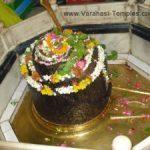
- The Sanctum: The main sanctum houses the Agasthyeshwar Lingam and a secondary idol of Shirdi Sai Baba, who is widely worshipped by the local community.
- August Kund: Although now largely dried up, the kund remains a historical focal point, lending its name to the surrounding locality (August Kund Mohalla).
Note on Preservation: As a heritage site, the temple reflects the layered history of Varanasi’s spiritual landscape.
Darshan & Ritual Logistics (2026 Guide)
Planning your visit requires understanding the daily rituals and seasonal timings.
Daily Darshan Timings
Timings are subject to change during festivals and local holidays.
| Session | Timing | Description |
|---|---|---|
| Morning | 06:00 AM – 12:00 PM | Opening, Morning Aarti, and Abhishekam. |
| Evening | 04:00 PM – 09:00 PM | Evening Aarti and Shayan Darshan. |
Key Sevas & Online Booking
Devotees can perform specific Sevas to enhance their spiritual experience. While the temple follows traditional practices, many Varanasi temples now offer digital booking.
- Abhishekam: Ritual bathing of the Shiva Lingam with water, milk, and honey.
- Archana: Personalized chanting of the deity’s names.
- Online Booking: Visitors are encouraged to check the official Varanasi Devotional services portal (if applicable) or consult the temple priest on-site for booking availability.
2026 Major Festival Dates
- Mahashivratri: February 26, 2026 (Grand celebrations, special night Darshan).
- Shravan Mondays: July 13, July 20, July 27, August 3 (Peak crowds, early arrival recommended).
- Agasthya Jayanti: September 9, 2026 (Special puja dedicated to the sage).
Practical Visitor Guidance
To ensure a seamless darshan experience, adhere to the following guidelines.
Dress Code & Etiquette
- Attire: Traditional Indian wear (Kurta-Pajama, Dhoti, Saree) is preferred. Modest clothing is mandatory.
- Photography: Photography is generally restricted inside the sanctum. Please seek permission before photographing the inner complex.
- Electronics: Mobile phones should be kept on silent mode. Some temples provide lockers for storage.
Crowd Management & Seasonal Advice
- Best Hours: 6:00 AM – 8:00 AM for a peaceful darshan. Avoid 7:00 PM – 8:30 PM during peak seasons.
- Seasonal Tips:
- Summer (May-June): Carry water bottles and an umbrella; temperatures in Varanasi can exceed 40°C.
- Monsoon (July-Sept): Humidity is high; wear light, breathable fabrics.
Pilgrimage Connectivity
How to Reach
The temple is located at D.36/11, August Kund Mohalla, Varanasi.
- Nearest Airport: Lal Bahadur Shastri International Airport (LBS) (approx. 25 km).
- Nearest Railway Station: Varanasi Junction (approx. 5 km).
- By Road: Located near the famous Nattu Kottai Chatram. From Godowlia Gate, head towards Susheel Cinema, take a left, and follow the lane to the temple steps.
Nearby Sacred Sites
Enhance your pilgrimage by visiting these nearby spiritual landmarks:
- Kashi Vishwanath Temple: The epicenter of Kashi spirituality (approx. 2 km).
- Sanjay Ghoda Temple: Known for its unique architecture and Shiva Lingam.
- Durga Temple (Monkey Temple): A vibrant Shakti Peetha located nearby.
Photo Gallery
Visuals of the serene environment and the sacred architecture.
Frequently Asked Questions (FAQ)
Is there a VIP Darshan entry at Agasthyeshwar Temple?
Generally, Agasthyeshwar Temple operates on a first-come, first-served basis for darshan. However, during large festivals like Mahashivratri, special passes may be issued by the temple management for an additional fee. It is best to inquire at the temple office upon arrival.
Can I perform Shradh or Pind Daan here?
Yes, the temple is historically significant for ancestor rituals. The proximity to Agasthya Kund and the Vedic recitations make it an auspicious location for Shradh and Pind Daan ceremonies.
What are the contact details for the temple?
As the temple is an ancient heritage site, it does not always maintain a central public office. However, for administrative inquiries regarding the heritage status, you may contact the Varanasi District Administration or the local ASI (Archaeological Survey of India) office.
Is the temple accessible for senior citizens?
The temple is situated in an old lane near Nattu Kottai Chatram. While the entrance requires climbing steps, the pathway is generally manageable. It is advisable to use a rickshaw to get close to the lane entrance.
Is photography allowed inside the temple?
Photography is strictly prohibited inside the inner sanctum (Garbhagriha). Outside areas and the courtyard are usually permissible, but visitors should respect the sanctity of the space.
Recent Posts

Shri Kaamkoteeshwar Mandir, Varanasi – History & Significance
In the heart of Kashi, the eternal city of Lord Shiva, where the Ganges flows with celestial grace, stands the Shri Kaamkoteeshwar Mandir. This sacred Sannidhi is not merely a temple but a profound spiritual bridge between the Northern…

ओ सांवरे तूने ही मुझको संभाला – Lyrics & Meaning
ओ सांवरे तूने ही मुझको संभाला – A Prayer to Shyam Origin & Spiritual Essence Why This Bhajan Resonates Devotees chant this when overwhelmed by life’s storms—the refrain ‘तूने ही मुझको संभाला’ is the soul’s sigh of relief: “You…

कथा ये है महाराज मेरे की – Lyrics & Meaning
कथा ये है महाराज मेरे की छत्रपति संभाजी महाराज – A Prayer to Chhatrapati Sambhaji Maharaj Origin & Spiritual Essence Why This Bhajan Resonates Devotees chant this when their spirit feels tested—its powerful refrain “महाराज मेरे” is a soul’s…

Rigveda Samhita Yathartha Anuvada (ऋग्वेद संहिता यथार्थ अनुवाद) – Complete Set with Anvayartha & Hindi/English Translation
The Rigveda is the oldest surviving scripture of humanity and the foundational text of Sanātana Dharma. For serious students, scholars, UPSC aspirants studying ancient Indian history, Sanskrit learners, and spiritual seekers, a precise and grammatically structured translation is indispensable.…

आना भी अकेला है जाना भी अकेला है – Lyrics & Meaning | BharatTemples
आना भी अकेला है जाना भी अकेला है – A Prayer to the Divine Witness Origin & Spiritual Essence Why This Bhajan Resonates Devotees turn to this bhajan in moments of deep reflection—when life’s attachments begin to ache. The…

माता शेरावाली के द्वार जो भी जाता है – Lyrics & Meaning
माता शेरावाली के द्वार जो भी जाता है – A Prayer to Maa Sherawali Origin & Spiritual Essence Why This Bhajan Resonates Devotees turn to this bhajan in times of fear or uncertainty—its promise that no one leaves Maa’s…

मार लेना सपणी उबार लेणा भवरा – Lyrics & Meaning
मार लेना सपणी उबार लेणा भवरा – A Prayer to the Divine Beloved Origin & Spiritual Essence Why This Bhajan Resonates Devotees chant this in moments of deep vulnerability—its cry of “मार लेना सपणी, उबार लेणा भवरा” is the…

हमें श्याम सुंदर भरोसा तुम्हारा – Lyrics & Meaning
हमें श्याम सुंदर भरोसा तुम्हारा – A Prayer to Shyam Sundar Origin & Spiritual Essence Why This Bhajan Resonates Devotees chant this when feeling alone—its refrain ‘de do sahara’ is the soul’s cry for divine support. Lyrics in Hindi…

Mere Satguru Ne Di Thi Davai Lyrics in Hindi & Meaning
Mere Satguru Ne Di Thi Davai: Invoking the Guru’s Liberating Wisdom This soul-stirring bhajan venerates the Satguru (True Spiritual Master) as the divine physician who dispenses the only remedy for life’s deepest sufferings. Composed by Sant Karmaveer Tufani, it…

Janm Diyo Thari Maa Dukh Dekhiyo Lyrics in Hindi & Meaning
जन्म दियो थारी माँ दुख देखियो (Maa’s Grief Upon Birthing You) This soul-stirring Chetavani Bhajan (admonitory hymn) is addressed to the Divine Mother (Maa) – a call for repentance when children forget their filial duties in the dark age…