Hanuman Temple Connaught Place: History, Darshan Timings & Guide
Receive daily temple updates, divine darshan, and morning bhajans directly on WhatsApp.
Contents
- 1 Hanuman Temple, Connaught Place: A Definitive Pilgrimage Guide
Hanuman Temple, Connaught Place: A Definitive Pilgrimage Guide
Introduction & Spiritual Essence
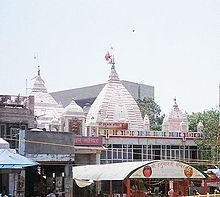
Nestled amidst the bustling commercial hub of Central Delhi, the Hanuman Temple in Connaught Place stands as a timeless beacon of devotion. Known colloquially as the Jhandewalan Wala Hanuman Mandir, this ancient shrine is one of the oldest in the capital, tracing its origins back to the era of the Mahabharata.
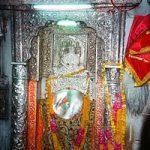
Primary Deity & Form: The temple is dedicated to Sri Hanuman Ji Maharaj in his form as Bala Hanuman (Hanuman as a child). The idol is a Swayambhu (self-manifested) murti, residing within a small bass-relief carving on the north wall of the sanctum.
Phalaśruti (Spiritual Benefits): Devotees flock here for specific blessings:
- Protection from Enemies: Hanuman is regarded as the remover of obstacles and the protector of devotees from negative influences.
- Strengthening Resolve: As Bala Hanuman, the deity embodies the innocence and immense strength of childlike devotion.
- Cleansing of Karma: The temple is believed to be a powerful site for absolving sins, particularly those related to Pitru Dosha (ancestral lineage issues).
Unique among temples, the sanctum features an image of Radha-Krishna and the central triumvirate of Rama, Lakshmana, and Sita to the right of Hanuman, emphasizing the temple’s integration of Vaishnavite traditions.
Historical Origins & Scriptural Legend
Mythological Roots: Tradition holds that the temple dates back to the Indraprastha era of the Mahabharata. Legend states that during the Pandavas’ exile, to subdue the arrogance of Bhima (who was a son of Vayu, like Hanuman), Hanuman appeared as a frail, aged monkey. When Bhima could not lift Hanuman’s tail, he realized the monkey’s divine identity. After the Kurukshetra war, it is believed the Pandavas established five Hanuman temples, of which this is one. It is also said that the original idol faces south, allowing devotees to see only one eye, a symbolic representation of divine focus.
📖 Related: Shree Bhagavati, North Goa
Scriptural & Saintly Connection: Tulsidas (1532–1623), the revered poet-saint who composed the Ramacharitamanas and the Hanuman Chalisa, is historically recorded to have visited this temple. During his visit to the Mughal court, Tulsidas performed a miracle at the request of Emperor Akbar. The emperor, pleased by the saint’s devotion, gifted an Islamic crescent moon finial to the temple. This symbol was permanently affixed to the spire (Shikhara), and folklore suggests this unique feature protected the temple from destruction during invasions.
Architectural History:
- 16th Century: Originally built by Maharaja Man Singh I of Amber during Akbar’s reign.
- 1724 AD: Reconstructed by Maharaja Jai Singh II (the astronomer who built Jantar Mantar).
- 1964: The temple gained global recognition for beginning a continuous 24-hour chanting of the mantra “Sri Ram, Jai Ram, Jai Jai Ram“, recorded in the Guinness Book of World Records.
Architectural Marvels
The temple represents a blend of indigenous and historical styles, adapted over centuries.
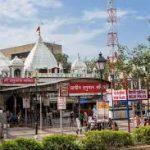
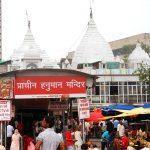
Unique Spire (Viman): The most striking architectural feature is the gold-plated spire topped not with the traditional Kalasha or Aum, but with a crescent moon (an Islamic symbol). This stands as a testament to the syncretic cultural history of Delhi.
Foyer & Silver Doors: The main entry leads through massive silver-plated doors engraved with scenes from the Ramayana. The foyer features clerestory windows with paintings of Hanuman in four cardinal directions, representing his four aspects. Below each painting, the full text of Tulsidas’s Sundar Kand is inscribed on marble tablets.
Sanctum & Ceiling: The ceiling of the main Mandapa (hall) is a canvas of artistic paintings depicting the entire epic of the Ramayana. The sanctum houses the Bala Hanuman idol, clad in a fashioned dhoti, wearing a tapering crown, and holding a Gada (mace) in his left hand while his right hand crosses his chest in veneration of Lord Rama.
📖 Related: Shri Saptakoteshwar Temple, North Goa
Note: While specific ASI or UNESCO status is not explicitly listed for this temple in the provided source data, its historical significance places it under the protected heritage of New Delhi.
Darshan & Ritual Logistics (2026 Schedule)
The temple operates on a unique schedule, famous for its early morning accessibility and late-night serenity.
| Session | Timing |
|---|---|
| Morning Darshan | 05:00 AM – 12:00 PM |
| Afternoon Break | 12:00 PM – 04:00 PM (Partial access possible) |
| Evening Darshan | 04:00 PM – 10:30 PM |
| Night Darshan | 10:30 PM – 05:00 AM (Next Day) |
*Note: Timings are subject to change during festivals.
Key Sevas & Online Booking
While many traditional offerings are made in person at the temple counters, the temple administration facilitates certain services.
- Bala Hanuman Aarti: Morning (05:00 AM) and Night (09:00 PM).
- Chola Offering: Devotees offer cloth to the deity.
- Sunderkand Paath: Recitation of the Sundar Kand is a popular ritual.
Online Seva: For specific online booking requirements or donations, devotees are advised to visit the official temple website or contact the administration directly at 09015068733.
Major Festivals in 2026
- Hanuman Jayanti 2026: Celebrated on the full moon (Purnima) of Chaitra month (Date: April 13, 2026). Expect grand processions and heavy crowds.
- Sankat Mochan Hanuman Jayanti: (Date: April 19, 2026). A secondary celebration widely observed.
- Tuesday & Saturday Devotion: These days are considered highly auspicious for Hanuman worship. Special queues are managed for devotees.
Practical Visitor Guidance
Dress Code: Modest clothing is mandatory. Traditional Indian attire is preferred, but western clothes should cover shoulders and knees.
Photography & Electronics:
- Photography is generally permitted in the outer courtyard but strictly prohibited inside the sanctum.
- Mobile Lockers: Due to security protocols in Connaught Place, large bags and luggage are not allowed inside. Use authorized cloakrooms or mobile lockers available in the market area.
Crowd Management & Best Time to Visit:
- Best Time: Early morning (5:30 AM – 7:00 AM) or late night (after 10:00 PM) on weekdays.
- Avoid: Tuesday and Saturday afternoons, and Sunday evenings, as these are peak times.
- Seasonal Advice: Delhi summers (May–June) are harsh. Carry a water bottle, though Prasad and water are often distributed at the temple entrance.
📖 Related: Mahadev Temple Tambdi Surla: History, Darshan Timings & Complete Guide
Pilgrimage Connectivity
How to Reach:
- Nearest Airport: Indira Gandhi International Airport (DEL) is approximately 20 km away (30-45 mins by taxi).
- Nearest Railway: New Delhi Railway Station (2 km) or Old Delhi Railway Station (4 km).
- By Road: Located on Baba Kharak Singh Road (formerly Irwin Road), 250m southwest of Connaught Place. It connects directly to NH-8 (now NH-48).
- Metro: The nearest station is Rajiv Chowk Metro Station (Yellow Line & Blue Line). Take Gate Exit No. 5 or 6 towards Connaught Place Inner Circle.
Nearby Sacred Sites (Pilgrimage Circuit):
- Gole Market (Sita Ram Bazaar): Just a minute’s walk away, housing another historic legacy of Old Delhi.
- Shri Bangla Sahib Gurudwara: Located approximately 2 km away, a major Sikh shrine offering community service (Langar).
- Shri Lakshmi Narayan Temple (Birla Mandir): Approximately 2.5 km away, a large complex dedicated to Vishnu and Lakshmi.
Frequently Asked Questions (FAQs)
1. Is there a VIP or Special Darshan entry available?
No, there is no formal VIP entry or ticketed darshan. However, the temple management provides assistance for elderly devotees and those with disabilities to facilitate easier access.
2. Can I offer food or Prasad inside the temple?
Bringing external food is discouraged. The temple sells official Prasad (Laddoos, Chola) at counters outside the sanctum. Free food distribution (Bhandara) occurs on special occasions like Hanuman Jayanti.
3. Does the temple have a parking facility?
Direct parking is limited to two-wheelers. For four-wheelers, you must use the public parking lots in Connaught Place (Outer Circle or Baba Kharak Singh Marg parking).
4. Why is there a crescent moon on the temple spire?
It is a historical gift from Mughal Emperor Akbar to the saint Tulsidas, symbolizing the harmonious blend of Hindu and Islamic cultural threads in Delhi’s history.
5. Is the temple open 24/7?
Yes, unlike most temples in Delhi, this temple is open 24 hours a day, all year round, facilitating the continuous chanting of the “Sri Ram, Jai Ram, Jai Jai Ram” mantra.
Photo Gallery
images, Hanuman Temple, Connaught Place, New Delhi
nature-shows-how-to-live, Hanuman Temple, Connaught Place, New Delhi
hanuman_mandir_cp_new_delhi_2009_copy1
download, Hanuman Temple, Connaught Place, New Delhi
hanuman-temple-at-connaught-place, Hanuman Temple, Connaught Place, New Delhi
200px-Idol_of_Baby_Hanuman_facing_south_in_Connaught_Place_temple
Contact Details
Official Address: Shop No 5 Shaheed Bhagat Singh Lane, Near Hanuman Mandir, Gole Market, New Delhi, Delhi 110001
Phone: 09015068733