Karivaradharaja Perumal Temple, Kalavai: History, Timings & Darshan Guide
Receive daily temple updates, divine darshan, and morning bhajans directly on WhatsApp.
Contents
- 1 Karivaradharaja Perumal Temple, Kalavai: A Definitive Pilgrimage Guide
- 1.1 1. Introduction & Spiritual Essence
- 1.2 2. Historical Origins & Scriptural Legend
- 1.3 3. Architectural Marvels
- 1.4 4. Darshan & Ritual Logistics
- 1.5 5. Practical Visitor Guidance
- 1.6 6. Pilgrimage Connectivity
- 1.7 7. Frequently Asked Questions (FAQs)
- 1.8 Photo Gallery
- 1.9 How to Reach
- 1.10 Contact Details
Karivaradharaja Perumal Temple, Kalavai: A Definitive Pilgrimage Guide
Welcome to the comprehensive guide for the historic Karivaradharaja Perumal Temple located in Kalavai, Vellore District. As a Divya Desam (one of the 108 abodes of Vishnu revered by the Alvars), this temple stands as a monumental testament to Dravidian architecture and the deep-rooted traditions of Sri Vaishnavism.
| Date built: | – |
|---|---|
| Deity: | Karivaradharaja Perumal |
| Architectural style: | Dravidian architecture |
| Major festivals | – |
| Locale: | Kalavai |
| District:: | Vellore |
| Address: | – |
| Phone | – |
Original Source: https://tamilnadu-favtourism.blogspot.com/2018/03/karivaradharaja-perumal-temple-kalavai-vellore.html
1. Introduction & Spiritual Essence
The Karivaradharaja Perumal Temple is dedicated to Lord Vishnu in his form as Karivaradharaja Perumal (the bestower of wealth and prosperity) and his consort, Goddess Perundevi Thayar. This is the 49th Divya Desam in the holy list of Vishnu temples.
Phalaśruti: The Boon of Darshan
According to spiritual tradition, devotees visit this temple seeking blessings for:
- Removal of Negative Karma: A bath in the temple tank, Kalyani Theertham, is believed to cleanse ancestral sins.
- Resolution of Financial Obstacles: The deity is known as ‘Dhana Pradhasana Perumal’, offering relief from financial debts.
- Moksha (Liberation): As a Divya Desam, it is believed that worshipping here aids the soul’s journey toward Vaikuntha.
📖 Related: Nithyakalyana Venkatesa Perumal Temple, Arani: History, Timings & Guide
2. Historical Origins & Scriptural Legend
Chronology and Builders
While precise inscriptions regarding the initial construction date are currently under restoration by the Hindu Religious and Charitable Endowments (HR&CE) Board, the temple structure predominantly reflects the architectural patronage of the Pallava and Early Chola dynasties. The stonework suggests a timeline dating back to the 8th–10th century CE, with significant additions made during the Vijayanagara era (14th–16th century).
The Sthala Purana: The Legend of Brahma
Tradition holds that a great dispute arose between Brahma (the Creator) and Narada (the divine sage) regarding who was superior. Narada, known for his wisdom, suggested they seek the judgment of the Lord in Kalavai.
When they arrived, the Lord, testing their devotion, appeared hidden behind a thick forest of cane. Brahma, unable to see the Lord, mocked Narada’s claim. However, the Lord revealed himself to Narada through the cane grove. Realizing the Lord’s playful yet profound nature, Brahma performed a penance here. Hence, the place became known as ‘Kala-vavi’ (meaning hidden behind cane), which evolved into the name Kalavai.
3. Architectural Marvels
Dravidian Style and Vastu
The temple is a classic example of Dravidian architecture, following the Maargam principles. It is oriented east-facing, allowing the first rays of the sun to fall directly on the sanctum sanctorum. The complex is enclosed by a massive stone prakaram (enclosure) typical of Vijayanagara fortification styles.
Key Structural Elements
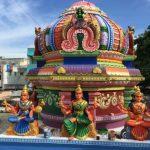
- Gopuram (Gateway Tower): The temple features a modest three-tiered rajagopuram, intricately carved with mythological figures from the Puranas.
- Mandapas: The Raja Mantapam (main hall) features 12 sculpted pillars, each depicting celestial dancers and avatars of Vishnu.
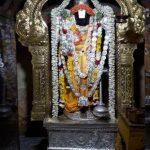
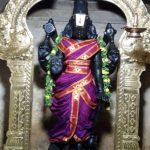
- The Sanctum (Garbhagriha): The inner sanctum is smaller and darker, enhancing the sanctity of the idol. The Karivaradharaja Perumal is enshrined in a standing posture, facing east.
ASI & UNESCO Status
While the temple maintains its traditional heritage, it is a protected monument under the oversight of local heritage conservation bodies. Its architectural style serves as a study model for the evolution of the Gopuram structure in Tamil Nadu.
📖 Related: Vaikunda Perumal Temple History and Darshan Timings: Vayalanallur Guide
4. Darshan & Ritual Logistics
Note: Timings are based on the standard schedule for 2026. Devotees are advised to check for local variations during festivals.
Daily Darshan Timings
| Session | Timings | Details |
|---|---|---|
| Morning | 6:00 AM – 12:00 PM | Includes Ushathkalam and Kalasanthi rituals. |
| Afternoon | 12:00 PM – 4:00 PM | Temple remains closed for deity rest. |
| Evening | 4:00 PM – 8:00 PM | Includes Sayalkalam and Arthajamam rituals. |
Key Sevas & Online Booking
Devotees can perform the following rituals. Booking is recommended for festivals.
- Suprabhatam: 6:00 AM
- Abhishekam (Sacred Bath): 8:00 AM (Thirumanjanam)
- Archana: Performed in Tamil/Sanskrit mantras.
- Tiruvaradhana: 7:30 PM
Booking: For the year 2026, online bookings for special darshan and sevas can be made via the official Tamil Nadu HR&CE portal.
2026 Major Festival Dates
Plan your visit around these grand celebrations:
- Puratasi Saturday (Brahmotsavam): October 2026 (Specific dates based on Tamil Calendar).
- Vaikuntha Ekadashi: January 2, 2026 (A major event for Vishnu temples).
- Brahmotsavam (10-day festival): Expected June 2026 (Dates TBC).
- Rama Navami / Krishna Jayanthi: Celebrated with special Abhishekam.
5. Practical Visitor Guidance
Dress Code & Etiquette
- Attire: Strict traditional wear is encouraged. Men: Dhoti or formal pants with a shirt. Women: Saree, Salwar Kameez, or formal skirt/top.
- Photography: Generally restricted inside the inner sanctum. Photography of the outer pillars and corridors is permitted with permission.
- Mobiles/Lockers: Switch phones to silent mode. A shoe-keeping facility is available at the entrance for a nominal fee.
Crowd Management & Seasonal Advice
- Best Hours: Early morning (6:00 AM – 8:00 AM) or late evening (6:00 PM – 8:00 PM) for a peaceful darshan.
- Summer (May): Kalavai can get hot. Carry a water bottle and an umbrella. The temple tank offers a cool breeze during these months.
- Monsoon: Carry rain gear if visiting between November and December.
6. Pilgrimage Connectivity
How to Reach
- By Air: The nearest international airport is Chennai (Chennai International Airport), approximately 117 Kms away.
- By Rail: The nearest railway junction is Ranipet (23 Kms). Taxis and buses are readily available from Ranipet to Kalavai.
- By Road: Kalavai is situated on the Kalavai-Koot Road, well connected to Arcot (22 Kms), Vellore (45 Kms), and Kanchipuram (38 Kms). State-run TNSTC buses frequently ply these routes.
📖 Related: Iluppaipattu Neelakandeswarar Temple History and Darshan Timings | Nagapattinam Guide
Nearby Sacred Sites (Pilgrimage Circuit)
- Adhi Kesava Perumal Temple (Melachevuru): Located roughly 10 Kms from Kalavai.
- Arulmigu Varadaraja Perumal Temple (Arani): About 24 Kms away, another significant Vishnu temple.
- Kailasanathar Temple (Kanchipuram): If traveling from Chennai, a stop at Kanchipuram (38 Kms) completes the divine circuit of Shiva and Vishnu worship.
7. Frequently Asked Questions (FAQs)
Is there a VIP Darshan entry at Karivaradharaja Perumal Temple?
While the temple does not have a specific “VIP” quota like Tirupati, devotees can opt for Special Entry Darshan tickets via the HR&CE website. This allows for a faster queue compared to the general darshan line.
What is the significance of the name ‘Karivaradharaja’?
The name is a composite of Sanskrit words: Kari (meaning elephant), Varada (meaning boon/wish), and Raja (King). It translates to the “King who grants boons like an elephant,” symbolizing the Lord’s generosity and strength.
Are there accommodation facilities in Kalavai?
Kalavai is a small town. Accommodation is limited. It is recommended to stay in Arni (24 Kms) or Vellore (45 Kms), where numerous hotels and lodges are available, and travel to Kalavai for the darshan.
Is the temple accessible for elderly devotees?
The outer corridors are paved, but the inner sanctum has a few steps. Wheelchairs are available at the entrance, but assistance may be required for the inner sanctum.
Photo Gallery
6765876876, Karivaradharaja Perumal Temple, Kalavai, Vellore
768796598, Karivaradharaja Perumal Temple, Kalavai, Vellore
66576576, Karivaradharaja Perumal Temple, Kalavai, Vellore
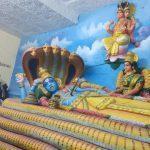
2017-0fr9-30, Karivaradharaja Perumal Temple, Kalavai, Vellore
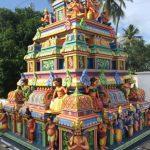
87876895, Karivaradharaja Perumal Temple, Kalavai, Vellore
2016-07-30, Karivaradharaja Perumal Temple, Kalavai, Vellore
2016-07-30 (1), Karivaradharaja Perumal Temple, Kalavai, Vellore
How to Reach
The Temple is located at about 4 Kms from Kalavai Koot Road Bus Stop, 22 Kms from Arcot, 23 Kms from Ranipet, 24 Kms from Arani, 21 Kms from Cheyyar, 38 Kms from Kanchipuram, 45 Kms from Vellore and 117 Kms from Chennai. Kalavai is well connected to Kanchipuram, Cheyyar, Arani and Arcot by Buses. Nearest Railway Station is located at Ranipet (23 Kms) and Nearest Airport is located at Chennai (99 Kms).
Contact Details
For official inquiries, pujas, or accommodations, please contact the temple administration office located at the temple premises.