

Contents
Introduction & Spiritual Essence
The Karkotak Nageshwar Temple, located in the ancient heart of Varanasi, is a profound spiritual destination deeply rooted in the scriptural traditions of the Kashi Khand of the Skanda Purana. Unlike conventional temples where the deity resides atop a sanctum, this shrine is unique for its submerged Shiva Linga within the Nag Kuan (Serpent Well).
The primary deity is worshipped as Karkotak Nageshwar, a manifestation of Lord Shiva intimately associated with the serpent king Karkotak. The temple’s form is Swayambhu (self-manifested), existing naturally within the geological formations of the region.
Phalaśruti: The Divine Benefits
According to ancient texts and local tradition, the spiritual benefits of visiting this temple are specific and powerful:
- Protection from Venom: It is believed that a person who bathes in the waters of the Nag Kuan and offers prayers to Karkotak Nageshwar will be immune to death caused by any form of poison or venom. The deity acts as a supreme protector against toxins.
- Ancestral Karmic Cleansing: Devotees visit to wash away ancestral debts, specifically those related to Naga Dosha (serpent curses) in the family lineage.
- Removal of Fear: As Karkotak is a fierce protector, worshipping him dispels deep-seated fears and instills spiritual courage.
Historical Origins & Scriptural Legend
The origins of the Karkotak Nageshwar Temple are not defined by a single construction date but are timeless, flowing directly from the Kashi Khand, Chapter 66 of the Skanda Purana.
Scriptural Foundations
The Kashi Khand describes a divine geography where various Teerths (sacred water bodies) and Shiva Lingas are positioned around the Jyeshteshwar Ling. Textual records identify the area to the east of Gandarveshwar as the abode of Karkotak Nag and his associated Vapi (well).
The Legend of Karkotak
Tradition holds that Karkotak, a powerful Naga (serpent deity), performed intense penance here to please Lord Shiva. Upon his boon, the waters of the well became divinely charged with anti-venom properties. The temple records state that the true Shiva Linga representing Karkotak Nageshwar remains submerged in the well’s water. Only during cleaning or exceptionally low water levels does the Linga become visible to the human eye. As long as the Linga is submerged, the water retains its sanctity and potent healing capabilities.
Architectural Marvels
The architecture of the Karkotak Nageshwar Temple is a distinct example of Sacred Hydro-Architecture within the Nagara style, adapted for the specific geography of Varanasi’s ancient galis (lanes).
Structure and Vastu
While the exterior is modest, blending into the traditional Shekhari style of Varanasi with tiered spires, the interior focuses on the Garbhagriha (sanctum) concept integrated with water. The well itself serves as the sanctum. The temple features a small Mandapa (hall) for devotees to gather before descending toward the Nag Kuan.
Notable Sculptures
At the main entrance, just before entering the Nag Kuan precinct, there is a secondary temple housing a visible Shiva Linga worshipped as Nageshwar. Nearby, an image of a serpent is etched into the stone, a representation of the resident deity Karkotak. The stonework reflects ancient craftsmanship, though specific ASI or UNESCO status is not listed for this specific minor shrine; its protection is managed by local trust and community efforts.
Note on Media: To visually capture the unique submersion of the Linga, please refer to the visual archive below.
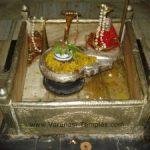
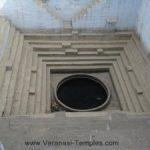
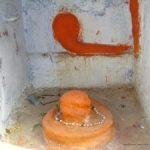
Darshan & Ritual Logistics (2026 Update)
The ritual life of Karkotak Nageshwar revolves around the water element. Devotees are encouraged to participate in the daily Abhishekam (ritual bathing) of the well.
Daily Timings
| Session | Timing | Activity |
|---|---|---|
| Morning | 06:00 AM – 12:00 PM | Opening, Morning Abhishekam, Archana |
| Afternoon | 12:00 PM – 04:00 PM | Cleaning & Rest Period |
| Evening | 04:30 PM – 09:00 PM | Evening Darshan, Aarti, Closing |
Key Sevas & Online Booking
Most rituals at this specific shrine are conducted on-site due to the nature of the water body. However, for general Shiva worship in Varanasi, the Kashi Vishwanath Temple administration oversees many regional rituals.
- Abhishekam with Milk/Water: Performed by dropping buckets into the Nag Kuan (consumable water is not used from here; buckets are symbolic or filled from clean sources).
- Naga Prathishta Archana: Special offerings to the serpent deity to alleviate Kala Sarpa Dosha.
Online Booking: While physical donations are accepted on-site, digital booking for associated Varanasi temple circuits can be done via the official Kashi Vishwanath portal.
2026 Festival Dates
- Monday, March 11, 2026: Maha Shivaratri (Major Celebration). Expect crowds from midnight to early morning.
- Wednesday, July 30, 2026: Nag Panchami. This is the most auspicious day to visit Karkotak Nageshwar. Special Pujas are held for serpent deities.
- Friday, August 22, 2026: Janmashtami (Krishna Janmashtami).
- Sunday, November 2, 2026: Kartik Purnima (Deep Daan).
Practical Visitor Guidance
Visiting the Nag Kuan requires navigating narrow, ancient lanes. Preparation ensures a smooth spiritual experience.
Code of Conduct & Dress
- Dress Code: Traditional Indian attire (Saree, Kurta-Pajama, Dhoti) is recommended. Modest clothing is strictly enforced.
- Photography: Photography is generally prohibited inside the sanctum area and the well to maintain sanctity. Use the provided gallery as a reference.
- Mobile/Valuables: Lockers are not available at this specific small shrine. It is advised to travel light and keep valuables at your hotel or in a secure vehicle.
Crowd Management & Seasonal Advice
- Best Hours: Early morning (6:00 AM – 8:00 AM) is ideal for a peaceful Darshan. Avoid the 7:00 PM to 8:30 PM slot on Mondays or festivals.
- Monsoon (July-Sept): The area is prone to waterlogging. Wear waterproof footwear.
- Summer (May-June): Temperatures exceed 40°C. Carry water; the narrow lanes lack breeze.
Pilgrimage Connectivity
The temple is situated in the Jaitpura area of Varanasi, near the famous Nag Kuan locality.
How to Reach
- Nearest Airport: Lal Bahadur Shastri International Airport (LBS), Varanasi (Approx. 25 km / 1 hour).
- Nearest Railway Station: Varanasi Junction (BSB) (Approx. 5 km / 20 mins).
- Road Access: The temple is accessible via Varanasi-Jaunpur Road (connecting to NH-31). Local transport (E-Rickshaws) is recommended as the final approach is through narrow lanes not accessible by large cars.
Nearby Sacred Sites (Pilgrimage Circuit)
- Gandarveshwar Temple: Located very close to Karkotak Nageshwar, often visited in the same pilgrimage loop as described in Kashi Khand.
- Jaitpura Shiv Mandir: A prominent ancient shrine in the vicinity.
- Kashi Vishwanath Corridor: Located approximately 2-3 km away (depending on lane access), serving as the central point for any Varanasi pilgrimage.
Frequently Asked Questions
1. Is the water in the Nag Kuan safe to touch?
Devotees traditionally sprinkle the water on their heads as a blessing. While it is generally safe, avoid ingesting the water directly unless specified by the priest as part of a ritual.
2. Is there a VIP Darshan entry?
No, this is a local heritage shrine without VIP ticketing systems. Darshan is free and open to all on a first-come, first-served basis.
3. Can we perform rituals for the deceased here?
While primarily a shrine for living protection and Naga Dosha removal, Varanasi is the land of Moksha. The waters here are often used in Tarpan (offerings to ancestors) rituals, especially during Pitru Paksha.
4. What makes Karkotak Nageshwar different from other Shiva temples?
The deity is Prana-Infused through water. The Linga is not just stone; it is the center of a living water body (Teerth), making the energy distinctively cool, purifying, and healing.
5. Is the temple accessible for senior citizens?
The approach involves walking through uneven, narrow lanes. It is not wheelchair accessible. Assistance from local guides or family members is required.
Recent Posts

Shri Kaamkoteeshwar Mandir, Varanasi – History & Significance
In the heart of Kashi, the eternal city of Lord Shiva, where the Ganges flows with celestial grace, stands the Shri Kaamkoteeshwar Mandir. This sacred Sannidhi is not merely a temple but a profound spiritual bridge between the Northern…

ओ सांवरे तूने ही मुझको संभाला – Lyrics & Meaning
ओ सांवरे तूने ही मुझको संभाला – A Prayer to Shyam Origin & Spiritual Essence Why This Bhajan Resonates Devotees chant this when overwhelmed by life’s storms—the refrain ‘तूने ही मुझको संभाला’ is the soul’s sigh of relief: “You…

कथा ये है महाराज मेरे की – Lyrics & Meaning
कथा ये है महाराज मेरे की छत्रपति संभाजी महाराज – A Prayer to Chhatrapati Sambhaji Maharaj Origin & Spiritual Essence Why This Bhajan Resonates Devotees chant this when their spirit feels tested—its powerful refrain “महाराज मेरे” is a soul’s…

Rigveda Samhita Yathartha Anuvada (ऋग्वेद संहिता यथार्थ अनुवाद) – Complete Set with Anvayartha & Hindi/English Translation
The Rigveda is the oldest surviving scripture of humanity and the foundational text of Sanātana Dharma. For serious students, scholars, UPSC aspirants studying ancient Indian history, Sanskrit learners, and spiritual seekers, a precise and grammatically structured translation is indispensable.…

आना भी अकेला है जाना भी अकेला है – Lyrics & Meaning | BharatTemples
आना भी अकेला है जाना भी अकेला है – A Prayer to the Divine Witness Origin & Spiritual Essence Why This Bhajan Resonates Devotees turn to this bhajan in moments of deep reflection—when life’s attachments begin to ache. The…

माता शेरावाली के द्वार जो भी जाता है – Lyrics & Meaning
माता शेरावाली के द्वार जो भी जाता है – A Prayer to Maa Sherawali Origin & Spiritual Essence Why This Bhajan Resonates Devotees turn to this bhajan in times of fear or uncertainty—its promise that no one leaves Maa’s…

मार लेना सपणी उबार लेणा भवरा – Lyrics & Meaning
मार लेना सपणी उबार लेणा भवरा – A Prayer to the Divine Beloved Origin & Spiritual Essence Why This Bhajan Resonates Devotees chant this in moments of deep vulnerability—its cry of “मार लेना सपणी, उबार लेणा भवरा” is the…

हमें श्याम सुंदर भरोसा तुम्हारा – Lyrics & Meaning
हमें श्याम सुंदर भरोसा तुम्हारा – A Prayer to Shyam Sundar Origin & Spiritual Essence Why This Bhajan Resonates Devotees chant this when feeling alone—its refrain ‘de do sahara’ is the soul’s cry for divine support. Lyrics in Hindi…

Mere Satguru Ne Di Thi Davai Lyrics in Hindi & Meaning
Mere Satguru Ne Di Thi Davai: Invoking the Guru’s Liberating Wisdom This soul-stirring bhajan venerates the Satguru (True Spiritual Master) as the divine physician who dispenses the only remedy for life’s deepest sufferings. Composed by Sant Karmaveer Tufani, it…

Janm Diyo Thari Maa Dukh Dekhiyo Lyrics in Hindi & Meaning
जन्म दियो थारी माँ दुख देखियो (Maa’s Grief Upon Birthing You) This soul-stirring Chetavani Bhajan (admonitory hymn) is addressed to the Divine Mother (Maa) – a call for repentance when children forget their filial duties in the dark age…