Madhana Gopala Swamy Temple, Madurai: History, Darshan Timings & Guide
Receive daily temple updates, divine darshan, and morning bhajans directly on WhatsApp.
Contents
- 1 Introduction & Spiritual Essence
- 2 Historical Origins & Scriptural Legend
- 3 Architectural Marvels
- 4 Darshan & Ritual Logistics (2026 Update)
- 5 Practical Visitor Guidance
- 6 Pilgrimage Connectivity
- 7 Frequently Asked Questions
Introduction & Spiritual Essence
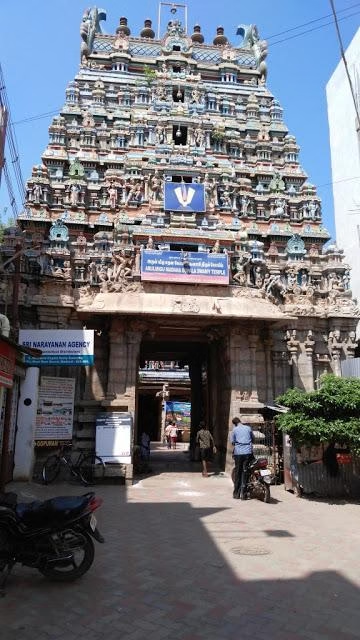
Nestled on the vibrant West Masi Street, a stone’s throw from the colossal presence of the Meenakshi Amman Temple, lies the Madhana Gopala Swamy Temple. While tourists flock to the city’s larger landmarks, this ancient shrine remains a spiritual sanctuary for locals, resonating with the melodic history of divine intervention.
Primary Deity & Form
The temple is dedicated to Lord Vishnu (Perumal) worshipped in the form of Madhana Gopala Swamy. Unlike the standard standing or reclining poses, this deity depicts Lord Vishnu in a captivating form, holding a flute, reminiscent of Lord Krishna. The term “Madhana” refers to the one who intoxicates or enchants, and “Gopala” refers to the protector of cows. Together, they represent the enchanting flute-player who captivates the hearts of devotees.
Phalaśruti: Why Visit?
Devotees flock to this temple for specific spiritual benefits (Phalaśruti):
- Cleansing Ancestral Karma: Rituals performed here are believed to alleviate Pitru Dosha (ancestral afflictions).
- Removal of Serpent Afflictions: The temple is renowned for Rahu Kala Puja performed on Fridays to mitigate the adverse effects of Rahu and Ketu (serpent planets).
- Artistic Excellence: Aspiring musicians and artists pray here to receive the blessings of the flute-playing deity.
- Longevity: Devotees celebrate their Shashti Abdhanti Poorthi (60th birthday) here, believing it ensures prosperity for future generations.
📖 Related: Kalahastheeswarar Temple Pillaiyarpalayam: History, Timings & Guide
Historical Origins & Scriptural Legend
The history of the Madhana Gopala Swamy Temple is deeply intertwined with the mythological tapestry of Madurai, the “City of Temples.”
The Legend of the Flute
According to local tradition and the Sthala Purana, Lord Shiva (as Sundareswarar) was deep in meditation. His intense spiritual energy began to scorch the universe. The Devas, terrified by the rising heat, pleaded with Lord Vishnu for salvation. Vishnu understood that only the cessation of Shiva’s meditation could restore balance.
Lord Vishnu took up the divine flute and played a melody so enchanting that it pierced the silence of the cosmos, awakening Lord Shiva from his trance. Pleased by the music, Lord Shiva requested Vishnu to remain in Madurai to play the flute eternally. Thus, Madhana Gopala Swamy resides here, eternally playing his divine instrument near the Immayilum Nanmai Tharuvar (Lord Shiva) Temple.
Historical Context
While the precise dynastic records are sparse, architectural analysis dates the temple structure to the 16th Century A.D., coinciding with the Nayak period of Madurai. This era was marked by the construction of magnificent Dravidian temples and sub-shrines.
An interesting footnote in the temple’s history involves the American socialite Adelian Pepper Gibson of Philadelphia. During her visit in 1912, she was captivated by the temple’s dilapidated stone pillars. In a controversial move by modern standards, she transported these pillars to the U.S., constructing a Mandapam in the Philadelphia Museum in 1938 that recreated the temple’s architectural splendor.
Architectural Marvels
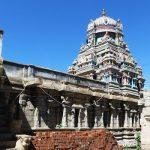
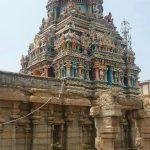
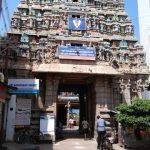
The temple is a classic example of the Dravidian style of architecture, characterized by pyramidal towers and intricate sculptures.
Structural Elements
- Sanctum Sanctorum (Garbhagriha): Houses the main deity of Madhana Gopala Swamy.
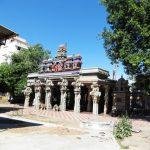
- Mandapas: The temple features pillared halls. Notably, the Philadelphia Mandapam is a replica of the original pillars that once stood here.
- Preservation: While not a UNESCO site, the temple is a protected monument under the oversight of the Tamil Nadu Hindu Religious & Charitable Endowments (HR&CE) Department.
📖 Related: Thiruthani Murugan Temple: History, Timings & Complete Pilgrimage Guide
Unique Sculptures
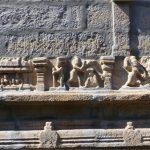
Besides the main deity, the temple houses a shrine for Mother Naga Devi (Harihara Sarpa Raja), worshipped by those seeking relief from planetary afflictions related to Rahu and Ketu.
Darshan & Ritual Logistics (2026 Update)
To ensure a seamless spiritual experience, we have compiled the daily schedule and key sevas. Note that temple timings are subject to change during festivals.
Daily Timings
| Session | Timing |
|---|---|
| Morning Opening | 6:40 AM |
| Vishwaroopam | 6:40 AM |
| Pongal Kala | 8:00 AM |
| Uchikalam (Midday) | 12:00 PM |
| Closure | 12:00 PM – 5:00 PM |
| Evening Opening | 5:00 PM |
| Sayaratchai (Evening) | 7:00 PM |
| Arthajamam (Closing) | 9:00 PM |
Key Sevas & Online Booking
- Abhishekam (Tirumanjanam): Performed with sacred water and milk. Devotees offer Vastras (clothes) to the deity.
- Archana: Recitation of divine names.
- Rahu Kala Puja: Specifically on Fridays.
Booking: While historically a local temple, HR&CE has digitized many services. Visitors are advised to check the official Madurai HR&CE website or the “Arulmigu Meenakshi Thirukkovil” app for “Madhana Gopala Swamy” slots under the “Masi Street” zone.
2026 Major Festival Dates
- Sri Krishna Jayanthi: August 14, 2026
- Vaikunda Ekadasi: December 4, 2026
- Pavai Nonbu: December 6, 2026
Practical Visitor Guidance
Dress Code & Etiquette
As with most Tamil Nadu temples, strict dress codes apply. Men should wear dhotis or formal trousers and shirts; women should wear sarees, salwar kameez, or skirts (knee-length or lower). Avoid shorts and sleeveless tops.
Photography & Security
Photography is strictly prohibited inside the sanctum sanctorum. Mobile phones and cameras must be deposited at the free locker facilities provided near the entrance.
Crowd Management & Seasons
- Best Hours: The 6:40 AM morning opening is the most serene time for meditation.
- Seasonal Advice: Madurai experiences extreme heat in May. Carry a water bottle and an umbrella while walking the streets between temples.
- Accessibility: The temple is located on a busy street. Elderly visitors can be dropped near the Eastern gate of Immayilum Nanmai Tharuvar Temple.
📖 Related: Veeratteswarar Temple Vazhuvur: History, Timings & Complete Guide
Pilgrimage Connectivity
How to Reach
The temple is located centrally in Madurai, making it highly accessible.
- Nearest Airport: Madurai International Airport (IXM) – 10 km.
- Nearest Railway: Madurai Junction (MDU) – 1 km (Approx. 15-20 minute walk or auto ride).
- Road Access: Situated off the State Highway 72 (SH-72) and well-connected to NH-38. It is 200 meters from the Periyar Bus Stand.
Nearby Sacred Sites (Pilgrimage Circuit)
- Immayilum Nanmai Tharuvar Temple: Located just 200 meters away, housing the Lord Shiva idol worshipped by Madhana Gopala Swamy.
- Koodal Azhagar Temple: 200 meters away, a major Vaishnavite temple dedicated to Lord Vishnu in a standing posture.
- Meenakshi Amman Temple: 1 km away, the epicenter of Madurai’s spiritual energy.
Frequently Asked Questions
1. Is there a VIP darshan entry?
Being a smaller HR&CE temple, there is no formal “VIP” quota like in Tirupati. However, devotees performing special archanas are generally allowed priority entry during their designated slots.
2. Can I perform Sadabisheka (60th Birthday) here?
Yes, the temple is famous for performing Sadabisheka for devotees. It is believed to ensure a prosperous life for their descendants. Contact the temple office (+91 452 234 9363) at least one week in advance.
3. Is the temple wheelchair accessible?
The sanctum is small. While the street access is paved, the interior steps may be challenging for standard wheelchairs. Assistance is usually available from temple staff.
4. What is the significance of the flute in this temple?
The flute represents the divine sound (Nada) that awakens the consciousness. It symbolizes Lord Vishnu’s ability to stir Lord Shiva from deep meditation, symbolizing the harmony between Vaishnavism and Shaivism.
5. What is the contact number for the temple?
You can reach the temple office at +91 452 234 9363 or via email at madanagopalaswamytemple@gmail.com.
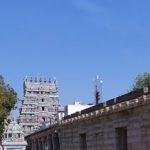
madanagopalaswmy-banner5, Madhana Gopala Swamy Temple, Madurai
madanatemple3, Madhana Gopala Swamy Temple, Madurai
madanatemple7, Madhana Gopala Swamy Temple, Madurai
madhanagopalaswamy-temple-(3)_original_watermark
madhanagopalaswamy-temple-(4)_original_watermark
madanagopalaswamy_11, Madhana Gopala Swamy Temple, Madurai
35654764, Madhana Gopala Swamy Temple, Madurai
6765756, Madhana Gopala Swamy Temple, Madurai
2017-09-03, Madhana Gopala Swamy Temple, Madurai
priyaghj, Madhana Gopala Swamy Temple, Madurai