Mani Karnika Devi Temple Varanasi: History, Darshan Timings & Guide
Receive daily temple updates, divine darshan, and morning bhajans directly on WhatsApp.
Contents
- 1 Introduction & Spiritual Essence
- 2 Historical Origins & Scriptural Legend
- 3 Architectural Marvels
- 4 Darshan & Ritual Logistics
- 5 Practical Visitor Guidance
- 6 Pilgrimage Connectivity
- 7 Frequently Asked Questions (FAQs)
Introduction & Spiritual Essence
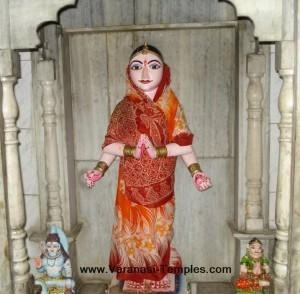
Nestled in the ancient lanes of Varanasi, near the sacred Scindia Ghat, stands the Mani Karnika Devi Temple, a celestial abode where divinity weaves into the very fabric of mortality. This shrine is not merely a stone structure; it is a spiritual gateway to Moksha (liberation). According to the Kashi Khand of the Skanda Purana, the primary deity here is Mani Karnika Devi, a Swayambhu (self-manifested) form believed to be as pure and radiant as a Spatik (crystal) idol. She is often visualized as a twelve-year-old maiden radiating divine beauty.
Phalaśruti (Spiritual Benefits): Why do devotees undertake this pilgrimage? It is believed that worshipping Mani Karnika Devi here helps cleanse deep-rooted ancestral karma. The temple is intrinsically linked to the Manikarnika Ghat, the holiest cremation ground in Hinduism. While the ghat represents the final surrender to death, the temple represents the promise of rebirth and ultimate liberation. Devotees visit to pray for the Moksha of their ancestors and to secure their own spiritual elevation.
Historical Origins & Scriptural Legend
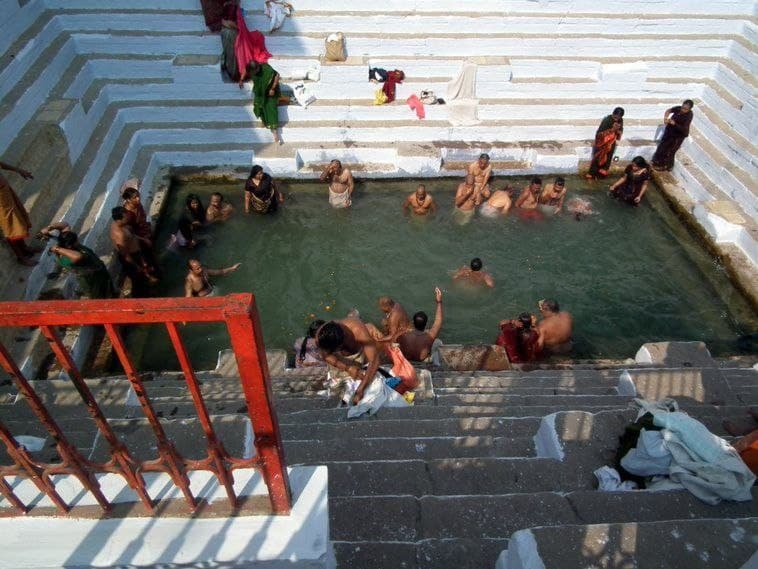
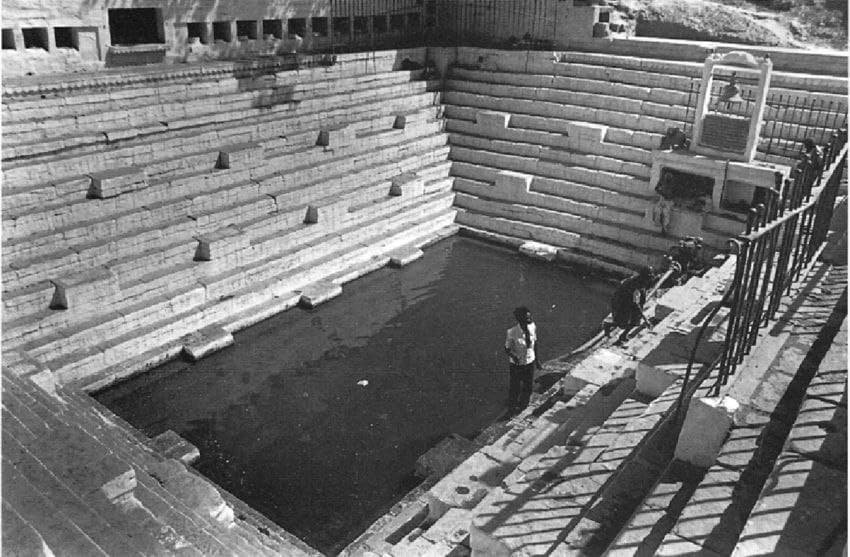
Mythological Significance: The Sthala Purana (local legend) is deeply rooted in the Skanda Purana. It narrates a dialogue where Lord Vishnu describes the mysteries of Kashi to Sage Bindu. He reveals that on the banks of the Chakra Pushkarini Teerth (the ancient pond associated with the Manikarnika Ghat), a Goddess manifested. Here, Lord Vishnu himself, mounted on his carrier Garuda, visits daily at noon to bestow liberation upon souls.
Historical Context: While the precise date of construction remains shrouded in the mists of time—typical of ancient Kashi temples—its existence is validated through centuries of scripture and pilgrimage. The temple is an integral part of the Kashi Yatra (Kashi pilgrimage), which is considered the final destination for a Hindu soul. The temple is situated in a locality that has witnessed the continuity of Vedic rituals for over 2,000 years. Renovations over the centuries have preserved its sanctity while adapting to the Dravidian architectural influences visible today.
📖 Related: Chatur Mukheshwar Temple Varanasi: History, Darshan Timings & Complete Guide
Architectural Marvels
The Mani Karnika Devi Temple showcases a beautiful blend of traditional Dravidian architecture and the indigenous temple styles of Kashi. The Shikhara (tower) is modest yet distinct, rising above the dense urban landscape of Varanasi.
- Vastu Elements: The temple layout follows the Vastu Shastra principles, with the sanctum sanctorum (Garbhagriha) aligned to allow the entry of natural light during auspicious hours.
- Sculptures: The exterior walls feature intricate carvings depicting various forms of the Goddess and scenes from Puranic lore. The inner sanctum houses the serene, radiant idol of Mani Karnika Devi.
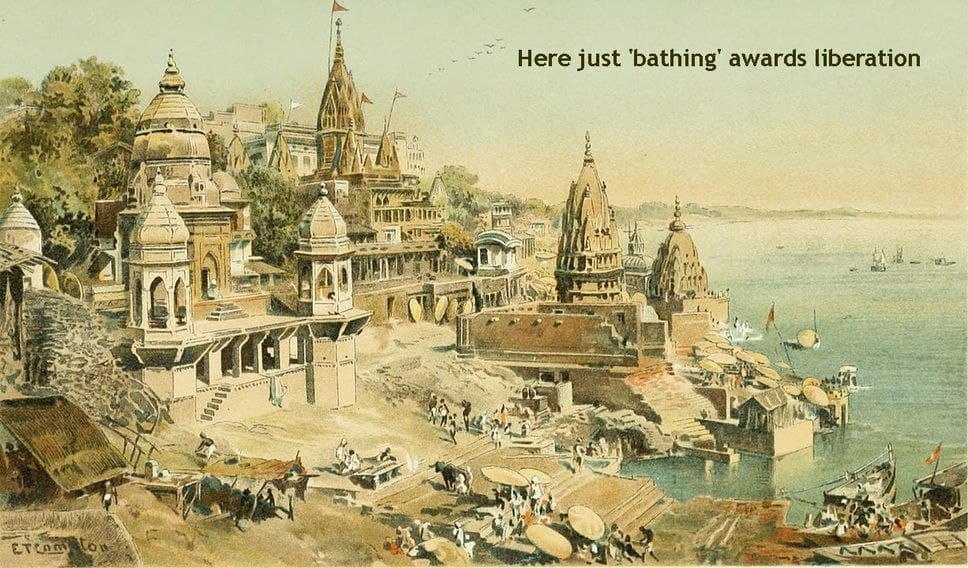
- Proximity to History: The temple is located opposite the Atma Veereshwar Temple and near the Scindia Ghat, an architectural marvel in itself built by the Scindia dynasty. While this temple does not hold an ASI/UNESCO designation (being a living, active place of worship), it is part of the heritage complex of Varanasi’s ghats, which are recognized as sites of global cultural importance.
Darshan & Ritual Logistics
For a seamless spiritual experience, it is essential to plan your visit according to the temple’s timings. As of 2026, the temple maintains a schedule that aligns with traditional Vedic hours.
Daily Timings
| Time Slot | Session | Description |
|---|---|---|
| 05:00 AM – 01:00 PM | Morning Darshan | Opens with Mangala Aarti. Best time for peaceful darshan. |
| 01:00 PM – 04:00 PM | Midday Closure | Deity rests; temple undergoes Shringar. |
| 04:00 PM – 09:00 PM | Evening Darshan | Opens for general public; ends with Sandhya Aarti. |
Key Sevas & Booking
Devotees can participate in several rituals, including Abhishekam (ritual bathing of the deity) and Archana (recitation of divine names).
- How to Book: While many rituals are conducted directly at the temple, the Varanasi Temple Committee (VTMC) has introduced online booking for major festivals and special Sevas. Visit the official VTNC portal or inquire at the temple counter.
- 2026 Festival Calendar:
- Navratri (Spring): April 4–April 12, 2026 (Special Chandi Path and Havan).
- Navratri (Sharad): October 4–October 12, 2026 (Major processions and night-long chanting).
- Deepawali: October 18–October 22, 2026 (Kedar Ghat illumination and special Aartis).
📖 Related: Kaholeshwar Temple Varanasi: History, Darshan Timings & Complete Guide
Practical Visitor Guidance
Varanasi is a city of living traditions. To respect the sanctity of the site and ensure a smooth visit, please adhere to the following guidelines:
- Dress Code: Traditional attire is recommended (Saree/Salwar Kameez for women, Dhoti/Kurta for men). Avoid shorts and sleeveless tops.
- Photography: Photography is generally restricted inside the inner sanctum. Please seek permission from the temple priests for exterior shots.
- Mobile Lockers: Due to narrow lanes, carrying large bags is difficult. Mobile phones are allowed but should be on silent mode. Small coin lockers are available near the Ghat area.
- Crowd Management: The temple is located in a high-traffic zone. The best hours to visit are 5:00 AM to 8:00 AM or after 7:00 PM. Avoid visiting during the noon Shayan break.
- Seasonal Advice: Summers (April–June) in Varanasi can be extreme; carry water and a head covering. Winters (Nov–Feb) are pleasant with foggy mornings.
Pilgrimage Connectivity
Reaching Mani Karnika Devi Temple is an adventure in itself, as it lies within the heritage zone of Varanasi.
How to Reach
- By Air: Lal Bahadur Shastri International Airport (VNS) is approximately 25 km away. Taxis and cabs are readily available to drop you at Assi Ghat or Dashashwamedh Ghat.
- By Rail: Varanasi Junction (BSB) is the main railway station, about 7 km from the temple. Kashi Junction is closer, roughly 4 km away.
- By Road: The temple is located on Scindia Ghat. Private vehicles cannot enter the old city. Park at designated parking lots (near Dashashwamedh or Godaulia) and hire an electric rickshaw or walk (10-15 minutes) through the narrow galis (lanes).
Nearby Sacred Sites
Extend your pilgrimage to include these nearby spiritual landmarks:
- Manikarnika Ghat: Just steps away, it is the primary site for final rites in Hinduism. Witnessing the Agni here is considered highly purifying.
- Atma Veereshwar Temple: Located directly opposite the temple, this shrine is dedicated to Lord Shiva and is a key stop in the Kashi Yatra.
- Kedarnath Ghat: A short boat ride away, famous for its grand aarti and association with the Kedarnath Jyotirlinga.
📖 Related: Koot Dant Vinayak Temple, Varanasi: History, Darshan Timings & Guide
Frequently Asked Questions (FAQs)
1. Is there a VIP darshan entry available?
Generally, the Mani Karnika Devi Temple does not have a formal VIP entry system like major South Indian temples. Darshan is open to all devotees equally. However, arriving early in the morning (5:00 AM – 6:00 AM) ensures the shortest wait times and the most intimate darshan experience.
2. Can I perform the last rites of my ancestors here?
While the temple is dedicated to the Goddess, the adjacent Manikarnika Ghat is the primary location for performing last rites (Antim Sanskar). The temple is visited for offering prayers for the peace of the soul. For performing actual rituals, one should approach the Pandits (priests) specializing in funeral rites at the Ghat.
3. Is the temple accessible for elderly devotees?
The temple is located in the old city, accessible only by foot or cycle rickshaw. The lanes are narrow and often crowded. While it is possible to reach near the temple via boat to Scindia Ghat, the final approach involves stairs and uneven paths. It may be challenging for those with mobility issues. Boatmen offer assistance for boarding and deboarding.
4. What is the significance of the “Manikarnika Kunda” mentioned in texts?
The Manikarnika Kunda is a sacred tank mentioned in the Skanda Purana. It is believed that Lord Vishnu visits this tank daily at noon to perform the Maha Ganapati Pujan. Taking a dip in the holy waters (where accessible) or offering prayers here is said to wash away sins committed over lifetimes.
5. How far is the temple from the railway station?
From Varanasi Junction, the distance is approximately 7 km. However, due to the narrow lanes of the old city, the travel time by auto-rickshaw is usually 20-30 minutes. From Kashi Junction, it is closer, roughly 4 km away.
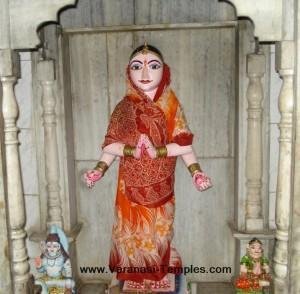
Photo Credit: varanasi-temples.com