Mundaka Kanni Amman Temple: History, Darshan Timings & Complete Guide
Receive daily temple updates, divine darshan, and morning bhajans directly on WhatsApp.
Contents
- 1 Mundaka Kanni Amman Temple, Mylapore, Chennai
- 1.1 Introduction & Spiritual Essence
- 1.2 Historical Origins & Scriptural Legend
- 1.3 Architectural Marvels
- 1.4 Darshan & Ritual Logistics (2026 Update)
- 1.5 Practical Visitor Guidance
- 1.6 Pilgrimage Connectivity
- 1.6.1 How to Reach
- 1.6.2 Nearby Sacred Sites (Pilgrimage Circuit)
- 1.6.3 Frequently Asked Questions (FAQ)
- 1.6.4 1. Is there a VIP Darshan or Special Entry at Mundaka Kanni Amman Temple?
- 1.6.5 2. What are the remedies (Parikarams) offered here?
- 1.6.6 3. Is non-vegetarian food allowed near the temple?
- 1.6.7 4. How old is the Mundaka Kanni Amman Temple?
- 1.6.8 5. What is the significance of the Banyan Tree?
- 1.7 Photo Gallery
- 1.8 Contact Details
Mundaka Kanni Amman Temple, Mylapore**, Chennai**
Welcome to the definitive spiritual guide for the Mundaka Kanni Amman Temple, one of the most ancient and revered shrines in the historic Mylapore district of Chennai. As we move through 2026, this guide is curated to assist modern pilgrims in navigating the logistics of their visit while deeply appreciating the theological and architectural grandeur of this sacred space.
| Date built: | – |
|---|---|
| Deity: | Mundaka Kanni Amman |
| Architectural style: | Dravidian architecture |
| Major festivals | – |
| Locale: | Mylapore |
| District:: | Chennai |
| Address: | – |
| Phone | – |
Introduction & Spiritual Essence
Primary Deity: Mundaka Kanni Amman (a fierce and benevolent form of Mariamman/Parvati).
Alternate Names: Mandhakini Amman, Mundakkanni Amman.
Form: Swayambhu (self-manifested).
At the heart of bustling Mylayore lies a spiritual oasis dedicated to the Mother Goddess. The Mundaka Kanni Amman Temple is not merely a structure of stone but a living testament to faith that dates back approximately 1,300 years. According to temple records and local lore, the deity manifested spontaneously (Swayambhu) under a Banyan tree near a lotus pond.
Phalaśruti (Spiritual Benefits):
Devotees visit this shrine for specific boons and relief from afflictions:
- Naga Dosha Parihara Sthalam: The temple is renowned as a potent site for relieving Naga Dosham (afflictions related to planetary and serpent deities), as a snake anthill resides behind the sanctum.
- Healing & Protection: It is believed that praying to Amman here aids in recovery from chickenpox and other ailments, with the temple’s Theertham (holy water) serving as a remedy.
- Education & Arts: A unique aspect of this temple is the belief that Mundaka Kanni Amman is a manifestation of Goddess Saraswathi, blessing devotees with excellence in fine arts and academic rank.
- Marital Harmony: Women facing impediments in marriage often perform specific prayers here.
Original Source: https://tamilnadu-favtourism.blogspot.com/2017/12/mundaka-kanni-amman-temple-mylapore-chennai.html
Historical Origins & Scriptural Legend
Antiquity:
While official construction dates are scarce, archaeological and textual evidence suggests the temple has stood for over a millennium. Tradition holds that the original name was Mandhakini Amman, which evolved linguistically into the current “Mundaka Kanni Amman.”
📖 Related: Azhagu Perumal Temple, Vaniyambadi: History, Darshan Timings & Guide
Scriptural & Oral Legends:
- Kottravai Worship: The classical Tamil literature, including the Tholkappiam and Silapathikaram, speaks of the Kottravai cult. It is presumed that this site was originally dedicated to Kottravai worship before evolving into the current form.
- Saivite Connection: This holy place is historically significant as the birthplace of Vayilar, one of the 63 Nayanmars (Saivite saints), and Peyalvar, one of the Alvars (Vaishnavite saints), highlighting its unique standing in both Saivism and Vaishnavism.
- Sanctum Sancti: Legend dictates that in the early days, under a Banyan tree by a lotus pond, the Goddess manifested. Devotees built a simple hut as a sanctum. Even today, the prime sanctum continues to be this small hut, symbolizing the deity’s preference for simplicity and proximity to nature.
Architectural Marvels
Style: Dravidian Architecture.
Unique Feature: The “Hut Sanctum.”
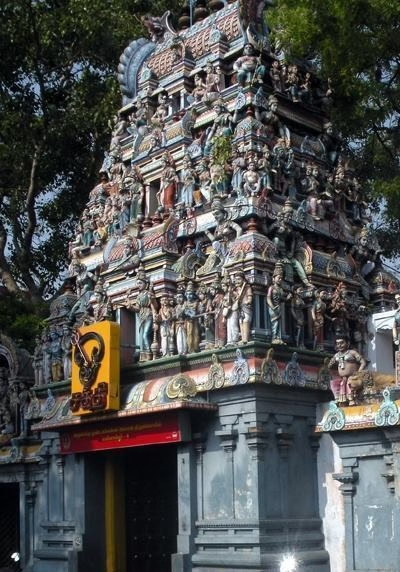
Unlike typical grand gopurams found in larger Dravidian temples, the Mundaka Kanni Amman Temple offers a distinctive, rustic aesthetic that emphasizes spiritual austerity. The temple complex, while administered by the Hindu Religious and Charitable Endowments (HR&CE) Department, retains the essence of a folk shrine.
The sanctum sanctorum (Garbhagriha) is unique because it is modeled after a traditional hut, signifying the Goddess residing in the simplest form. Behind the sanctum, the Banyan Tree stands as a structural and spiritual anchor, intertwined with the stone Anthill (Pamban) which is worshipped daily. The outer structure features typical Dravidian elements including a tiered Vimana (tower over the sanctum) and a spacious Mandapa (hall) for devotees.
Darshan & Ritual Logistics (2026 Update)
Visiting the temple requires adherence to specific timings. The temple follows the traditional six-period worship (Chaturthana Kala Pooja).
📖 Related: Kari Krishna Perumal Temple: Thiruayarpadi History, Darshan Timings & Guide
Daily Temple Timings
The temple remains open from early morning until noon and reopens in the late afternoon.
| Session | Timing |
|---|---|
| Morning Opening | 6:00 AM |
| Morning Closing | 12:00 PM |
| Evening Opening | 4:00 PM |
| Evening Closing | 9:00 PM |
Key Sevas & Pooja Timings
Devotees can witness or participate in the following rituals:
| Pooja Name | Timings |
|---|---|
| Kalasanthi Pooja | 6:00 AM |
| Uchikala Abhishekam | 12:00 PM |
| Sayaratchai Pooja | 6:00 PM |
| Ardhajama Pooja | 9:00 PM |
Online Seva Booking
While this historic temple relies heavily on on-site offerings, the administrative body is the HR&CE Department of Tamil Nadu. Devotees can check availability for special abhishekams or annadhanam via the official Tamil Nadu HR&CE portal or the tamilnadu-favtourism.blogspot.com link provided in the source context for contact details.
Key 2026 Festivals
The temple is most vibrant during the Tamil months of Aadi (July-August) and Thai (January-February).
- Adi Month Festivals (2026): The entire month is auspicious. Special focus on the last Fridays.
- Navarathri (Oct 2026): Specifically the 9th day (Mahanavami) where Ambal is worshipped as Mahishasuramardhini.
- Aadi Pooram & Chithra Pournami: Celebrated with massive flower-basket abhishekams (1008 flowers).
- Thai Poosam/Pournami (Jan 2026): Famous for the 108 Lamp Pooja and milk-pot abhishekam.
Practical Visitor Guidance
Dress Code: Traditional attire is mandatory. Men should wear dhotis or pants with a shirt; women should wear sarees, half-sarees, or churidars.
Photography: Photography is generally restricted inside the inner sanctum. Please respect the sanctity of the rituals.
Crowd Management:
- Best Hours: The best time for a peaceful Darshan is immediately after the morning opening (6:30 AM – 8:00 AM).
- Peak Seasons: Avoid weekend evenings and the entire month of Aadi if you prefer to avoid heavy crowds.
- Seasonal Advice: Chennai can be humid. Carry a water bottle, though the temple provides Theertham. Winters (Nov–Jan) offer the most pleasant weather.
Pilgrimage Connectivity
How to Reach
The temple is located in the heart of Mylapore, just north of the famous Kapaleeshwarar Temple.
By Bus (MTC Routes):
Several buses halt near Kapaleeshwarar Temple or Luz Corner. Key routes include:
- Route 1/1A/1C: Connects Thiruvottriyur to Thiruvanmiyur via Broadway, Central, Royapettah, and Mylapore.
- Route 12B: Foreshore Estate to Vadapalani via Santhome, Kutchery Road, and Luz.
- Route 21G: Broadway to Tambaram via Mylapore, Guindy.
📖 Related: Veda Narayana Perumal Temple, Madurai: History, Darshan Timings & Guide
By Train (MRTS/Metro):
- Thirumayilai Railway Station: Located approximately 500–700 meters from the temple. This is the nearest station on the MRTS line.
- Chennai Central: Approx. 9 km away.
- Chennai Egmore: Approx. 6 km away.
By Air:
Chennai International Airport (MAA) is roughly 17 km away. A taxi or cab (Ola/Uber) is the most convenient mode.
Nearby Sacred Sites (Pilgrimage Circuit)
- Kapaleeshwarar Temple: Just steps away, one of the most prominent Shaivite temples in South India, dedicated to Lord Shiva.
- Madhava Perumal Temple: Located nearby, dedicated to Lord Vishnu, completing the divine neighborhood.
- Santhome Basilica: A short distance away, offering a historical religious contrast, built over the tomb of St. Thomas.
Frequently Asked Questions (FAQ)
1. Is there a VIP Darshan or Special Entry at Mundaka Kanni Amman Temple?
As a heritage shrine managed by HR&CE, there are no formal VIP tickets. However, performing a specific Seva like Abhishekam or Archana allows closer access to the deity during the ritual.
2. What are the remedies (Parikarams) offered here?
The temple is famous for Naga Dosha Pariharam. Devotees perform Angapradakshinam (rolling around the sanctum) and offer turmeric, lime, and neem leaves to the Goddess for relief from curses and ailments.
3. Is non-vegetarian food allowed near the temple?
Strictly No. As this is a Hindu temple, the premises and immediate vicinity are vegetarian zones. Alcohol and smoking are prohibited.
4. How old is the Mundaka Kanni Amman Temple?
Historical records and local tradition indicate the shrine is approximately 1,300 years old, making it one of the oldest in Mylapore.
5. What is the significance of the Banyan Tree?
The Banyan tree behind the sanctum houses a snake anthill (Pambu Adi). It is believed that the Nagas (serpent deities) worship the Goddess here daily, making it powerful for removing Kalasarpa Dosha.
Photo Gallery
2017-09-04 (2), Mundaka Kanni Amman Temple, Mylapore, Chennai
2017-09-cvc04, Mundaka Kanni Amman Temple, Mylapore, Chennai
2017-10-cbc29 (1), Mundaka Kanni Amman Temple, Mylapore, Chennai

56743676765, Mundaka Kanni Amman Temple, Mylapore, Chennai
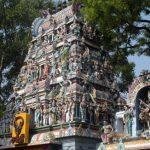
mundakkanniamman-mylapore, Mundaka Kanni Amman Temple, Mylapore, Chennai
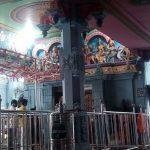
IMG_20170521_084857, Mundaka Kanni Amman Temple, Mylapore, Chennai

IMG_20160404_135539795_HDR, Mundaka Kanni Amman Temple, Mylapore, Chennai
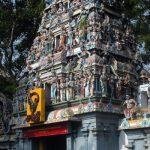
mundakkanniamman-mylapore-1, Mundaka Kanni Amman Temple, Mylapore, Chennai
Contact Details
Address: Mundaka Kanni Amman Temple, Mylapore, Chennai, Tamil Nadu 600004 (Near Kapaleeshwarar Temple, North Mada Street).
Administration: Hindu Religious and Charitable Endowments (HR&CE), Tamil Nadu.