Naganatheswarar Temple, Vilapakkam: History, Darshan Timings & Guide
Receive daily temple updates, divine darshan, and morning bhajans directly on WhatsApp.
Contents
- 1 Introduction & Spiritual Essence
- 2 Historical Origins & Scriptural Legend
- 3 Architectural Marvels
- 4 Darshan & Ritual Logistics
- 5 Practical Visitor Guidance
- 6 Pilgrimage Connectivity
- 7 Frequently Asked Questions (FAQs)
Introduction & Spiritual Essence
Nestled in the serene landscape of Vilapakkam, Vellore District, the Naganatheswarar Temple stands as a timeless beacon of spiritual solace. This ancient shrine is dedicated to Lord Shiva, worshipped here as Naganatheswarar (The Lord of Serpents). The presiding deity is a Swayambhu Lingam, believed to have manifested naturally, radiating immense divine energy. The temple also houses a sanctum for the Goddess, known as Nagavalli or Azhanganni Amman.
Phalaśruti: The Benefits of Visiting
Devotees flock to this sacred site seeking blessings for removal of obstacles (Vighnas) and liberation from the cycle of birth and death (Moksha). Specifically, the temple is renowned for:
- Karma Cleansing: Rituals performed here are believed to cleanse ancestral karma and bring peace to departed souls.
- Serpent Dosha Removal: As the name suggests, worshipping Naganatheswarar is highly effective in mitigating Naga Dosha (afflictions caused by celestial serpents).
- Success & Prosperity: Devotees believe that prayers here help overcome hidden enemies and legal disputes.
Historical Origins & Scriptural Legend
While the exact date of construction is not explicitly documented in available records, the architectural style suggests a lineage dating back to the Medieval Chola or Pandya eras, with significant renovations likely carried out during the Vijayanagara period.
📖 Related: Ezhai Katha Amman, Vellalur: History, Darshan Timings & Guide
The Sthala Purana
Tradition holds that this region was once dense with Karuvalli trees, a favorite of Lord Shiva. According to local legends, the temple derives its name from the spiritual lore of the Nagas (serpents). It is said that a holy sage, or possibly the serpent deities themselves, performed intense penance here to please Lord Shiva. Pleased by their devotion, Shiva manifested as the Swayambhu Lingam, granting them salvation. Hence, the Lord is revered as the Naganatheswarar (Master of the Nagas).
Architectural Marvels
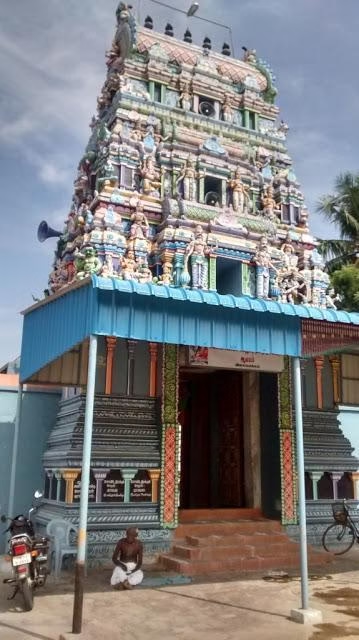
The Naganatheswarar Temple is a classic example of Dravidian Architecture, characterized by its proportional symmetry and intricate carvings.
Structural Highlights
The temple features a modest yet elegant Gopuram (gateway tower) typical of South Indian temple design. Inside, the Sanctum Sanctorum (Garbhagriha) houses the Swayambhu Lingam. The Mandapa (hall) features monolithic pillars adorned with carvings of deities and mythical creatures. The walls bear inscriptions in Tamil script, offering clues to the rituals and land grants of the past.
Although specific ASI or UNESCO status is not officially listed for this particular site, its preservation offers a pristine window into the region’s rich cultural heritage.
Darshan & Ritual Logistics
Assuming the current year is 2026, the following schedule and ritual details apply. Please note that timings may vary slightly during festival seasons.
Daily Timings
| Session | Timings |
|---|---|
| Morning Darshan | 06:00 AM – 12:00 PM |
| Evening Darshan | 04:00 PM – 08:00 PM |
| Pooja/Break | 12:00 PM – 04:00 PM |
Key Sevas & Online Booking
Devotees can participate in various Vedic rituals to deepen their spiritual connection:
- Abhishekam: Ritual bathing of the Shiva Lingam with milk, honey, and sandalwood paste. (Timing: 07:00 AM).
- Archana: Personalized prayers recited in the name of the devotee and their ancestors.
- Laghu Rudram: A powerful Vedic chanting ritual for prosperity.
📖 Related: Uppiliappan Temple Thanjavur: History, Darshan Timings & Legend
Online Booking: While the temple may not have a dedicated high-tech portal yet, online bookings for major festivals in 2026 are likely managed through the HR&CE Department, Tamil Nadu official website or third-party platforms like Uzhavarappani.
Major 2026 Festivals
- Maha Shivaratri: February 26, 2026 (A grand celebration with night-long vigil).
- Pradosham: Bi-monthly event (Check Tamil calendar for specific dates).
- Arudra Darshanam: December 2026 (Celebrating the cosmic dance of Shiva).
Practical Visitor Guidance
To ensure a smooth and respectful pilgrimage, please adhere to the following guidelines:
- Dress Code: Traditional attire is mandatory. Men should wear Dhoti or trousers with a shirt; women should wear Saree, Salwar Kameez, or full-length skirts. Avoid denim and shorts.
- Photography: Photography is generally allowed in the outer prakaram (corridors) but is strictly prohibited inside the Sanctum Sanctorum. Flash photography must be avoided.
- Mobile Lockers: There are no official digital lockers available. It is advisable to carry minimal luggage. Small bags may be inspected at the entrance.
- Accessibility: The temple complex is compact. While the main sanctum requires climbing stairs, the surrounding corridors are accessible.
- Crowd Management:
- Best Hours: Visit between 08:00 AM and 10:00 AM on weekdays for a peaceful darshan.
- Weekends: Expect higher crowds, especially during Pradosham.
- Seasonal Advice: Summers (April–June) in Vellore can be harsh. Carry a water bottle and an umbrella. Monsoons (Nov–Dec) bring a lush green aura but require rain gear.
Pilgrimage Connectivity
How to Reach
The Naganatheswarar Temple is conveniently located in Vilapakkam, making it accessible via road and rail.
- By Air: The nearest airport is Chennai International Airport (MAA), approximately 111 km away.
- By Train: The closest railway head is Ranipet Railway Station (11 km). Major trains halt at Vellore (30 km) and Katpadi Junction.
- By Road: Vilapakkam is situated off the Chennai–Bangalore Highway (NH 75). It is 7.5 km from Arcot and 11 km from Ranipet. Regular bus services operate from Vellore and Arcot.
📖 Related: Kalyana Veera Raghava Perumal Temple: History, Darshan Timings & Guide
Nearby Sacred Sites
Expand your spiritual journey by visiting these nearby temples:
- Arcot Durai Eswaram Temple: An ancient temple dedicated to Lord Shiva, located just 7.5 km away.
- Kedareswarar Temple, Vellore: A historic temple with a unique ‘Athi Varadar’ tradition, located 30 km away.
- Ranipet Vishnu Temple: A significant Vaishnavite shrine in nearby Ranipet.
Frequently Asked Questions (FAQs)
1. Is there a VIP darshan entry available?
Yes, the temple administration (Tamil Nadu HR&CE) usually offers a special darshan ticket (nominal fee) for faster entry, particularly during peak festival days like Maha Shivaratri.
2. What is the significance of the name ‘Naganatheswarar’?
The name translates to ‘The Lord of Serpents.’ It signifies the deity’s power to bless devotees with protection from poison, diseases, and negative energies associated with planetary serpent influences (Naga Dosha).
3. Are non-Hindus allowed inside the temple?
As per traditional customs and Tamil Nadu Temple Entry Authorization Act, entry is generally restricted to Hindus. However, visitors are requested to check with the temple office at the entrance for any specific guidelines.
4. Is there accommodation available near the temple?
There are no lodges directly attached to the temple. However, limited guest houses and lodges are available in Vilapakkam and Arcot. For better options, it is recommended to stay in Vellore (30 km), which has several hotels and government guest houses.
5. What are the contact details for the temple office?
For current information, you may contact the Joint Commissioner, Vellore/Hindu Religious and Charitable Endowments Department, Tamil Nadu. (Note: Specific phone numbers for Vilapakkam sub-temple vary; checking the official TN HRCE website is recommended).