Pasupatheeswarar Temple Kallar: History, Timings & Darshan Guide
Receive daily temple updates, divine darshan, and morning bhajans directly on WhatsApp.
Contents
- 1 Pasupatheeswarar Temple, Kallar Pasupathi Koil: A Comprehensive Pilgrimage Guide
Pasupatheeswarar Temple, Kallar Pasupathi Koil: A Comprehensive Pilgrimage Guide
As the Lead Heritage Architect and SEO Strategist for BharatTemples.com, I present this definitive guide to the sacred Pasupatheeswarar Temple in Kallar. Built by the mighty Chola dynasties, this shrine stands as a testament to the eternal vibrancy of Shaivism in the Thanjavur district.
1. Introduction & Spiritual Essence
The Pasupatheeswarar Temple (locally known as Kallar Pasupathi Koil) is a revered Hindu sanctuary dedicated to Lord Shiva. The primary deity is enshrined as Pasupatheeswarar (The Lord of Beasts), and the consort goddess is Paal Vala Nayaki (also known as Loga Nayagi).
Phalaśruti (Spiritual Benefits):
Devotees visit this temple primarily to seek liberation from the cycle of birth and rebirth. According to spiritual tradition, worshipping Lord Pasupatheeswarar here grants Beeja Veda Shakti—the divine wisdom that unites the individual soul (Pasu) with the divine lord (Pathi). It is particularly potent for cleansing ancestral karma and removing the bonds (Pasam) that tie one to worldly suffering.
2. Historical Origins & Scriptural Legend
The Chola Legacy
Archaeological evidence and temple records indicate the structure dates back to the 2nd century CE. It is historically identified as one of the 70 Maadakovils constructed by the legendary Chola king, Kochengat Chola. These temples were built with elevated sanctuaries to prevent elephants from reaching the inner shrine.
📖 Related: Ayya Vaikundar Temple Anjugramam: History, Darshan Timings & Complete Guide
Local Legend & Significance
According to the Sthala Purana (local oral legend), the temple is deeply connected to the cosmic symbolism of Lord Shiva’s Udukkai (drum). The drum has two faces: Pasu (the bound soul) and Pathi (the Divine Lord). Tradition holds that the divine cow, Kamadenu, worshipped Lord Shiva at this very spot to receive his grace.
Historically, the temple faced destruction due to the floods of the Cauvery River and invasions by Malik Kafur and the Arcot Nawabs. However, fragments of Chola inscriptions and the presence of the Jyeshta Devi idol confirm its ancient lineage.
3. Architectural Marvels
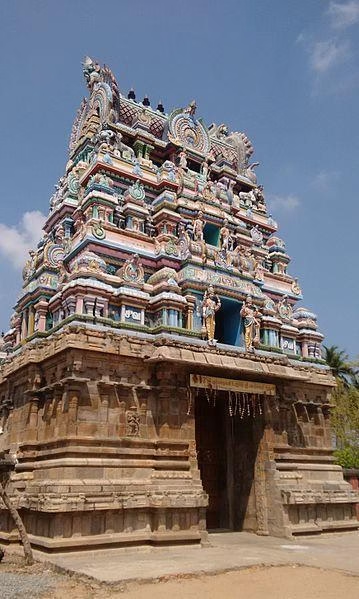
The temple exemplifies the Tamil Temple Architecture style, characterized by a three-tiered Rajagopuram (entrance tower) and a single Prakaram (enclosure).
- Elevated Sanctum: The inner sanctum housing Pasupatheeswarar is elevated, a signature feature of Kochengat Chola’s Maadakovils.
- Sculptural Excellence: The Rajagopuram features exquisite stucco idols depicting the life of Sage Markandeya and the story of Kannappa Nayanar. Lord Shiva is depicted here with eight hands wielding various weapons.
- Shrines & Idols:
- Uchishta Ganapathy: Located adjacent to the sanctum, this idol is considered a sculptural masterpiece.
- Wall Deities: Saneeswara (Saturn), Bhairavar, Dakshina Moorthy, and Gajalakshmi adorn the ground floor walls.
- Kalapidari: An important idol located about 1 km from the temple, associated with the ancient concept of Uragachudai Mulaichi found in the Silapathikaram.
4. Darshan & Ritual Logistics
The temple maintains traditional timings. Below are the standard operating hours for 2026.
| Session | Timing |
|---|---|
| Morning | 06:00 AM – 11:00 AM |
| Evening | 04:00 PM – 08:30 PM |
Key Sevas and Online Booking
While many traditional sevas are performed at the temple counter, the Tamil Nadu HR&CE department facilitates online booking for special archanas and abhishekams.
- Abhishekam: Performed daily during morning hours.
- Archana: Available for both Pasupatheeswarar and Paal Vala Nayaki.
- Booking: Visit Tamil Nadu Tourism HR&CE Portal to book specific sevas in advance.
📖 Related: Manikka Vinayakar Temple, Rockfort: History, Darshan Timings & Guide
2026 Festival Calendar (Major Dates)
- Maha Shivaratri: February 26, 2026 (Expect night-long vigils and special abhishekam).
- Pradosham: Bi-monthly (13th and 28th of every lunar month). Check local panchangam for specific times.
- Saptha Sthanam Festival: Held annually in the Tamil month of Panguni (March–April). This is the most significant local festival where deities from surrounding areas are processionally carried in a massive Kannadippallakkoo (palanquin weighing over 2000 kg).
- Ardra Darshan: December 2026 (Date TBD based on Tamil calendar).
5. Practical Visitor Guidance
Dress Code & Etiquette
Visitors must dress modestly. Men should wear dhotis or formal trousers and shirts; women should wear sarees, salwars, or long skirts. Synthetic shorts and t-shirts are generally discouraged in the sanctum.
Photography & Lockers
- Photography: Strictly prohibited inside the inner sanctum and sanctum sanctorum.
- Mobile Phones: Phones are allowed but silent mode is required. While there may not be a high-tech locker system, devotees are advised to travel light.
Crowd Management & Seasonal Advice
- Best Hours: Visit between 7:00 AM and 9:00 AM on weekdays for a peaceful darshan. Saturdays are typically crowded due to Saturn worship.
- Seasonal Tips:
- May (Summer): Temperatures in Thanjavur can be high. Carry a water bottle and an umbrella.
- Monsoon (October–December): The temple is situated near the Kudamurutti River; carry rain gear.
6. Pilgrimage Connectivity
How to Reach
By Air:
The nearest airport is Trichy (Tiruchirappalli) International Airport, located approximately 69 km away.
By Rail:
- Pasupathikoil Railway Station: 1.5 km (Local station).
- Ayyampet Railway Station: 4.5 km.
- Thanjavur Junction: 15 km.
- Kumbakonam: 26 km.
By Road:
The temple is situated on the Thanjavur – Kumbakonam Road. It is 1 km south of the Pasupathi Koil bus stand. Bus services are frequent from Thanjavur, Kumbakonam, and Papanasam.
📖 Related: Kurinji Andavar Temple History & Darshan Timings Guide
Nearby Sacred Sites (Pilgrimage Circuit)
- Uchishta Ganapathy Temple: Located adjacent to the main temple, this shrine is a must-visit for Ganesha devotees.
- Papanasam (Waterfall & Temple): Located 12 km away, this is a revered site for liberation and houses the Agastheeswarar Temple.
- Thiruvaiyaru (Panchanadeeswarar Temple): Just 13 km away, this town is famous for the five-river confluence and the shrine of Saint Tyagaraja.
7. Frequently Asked Questions (FAQs)
Is there a VIP Darshan entry?
Yes, the temple management provides a separate queue for senior citizens and differently-abled devotees. For other VIP entries, permissions must be arranged through the Tamil Nadu HR&CE office in advance.
What is the significance of the name ‘Kallar’?
The village is named ‘Kallar’ (which can mean ‘thief’ or ‘rock’ depending on the dialect), but in this context, it is historically associated with the local geography and the ancient Chola settlement here. Do not be confused by the name; it is a deeply pious site.
Are there accommodation facilities nearby?
While the temple itself does not have a guesthouse, several lodges and choultries are available in Ayyampet (4.5 km) and Thanjavur (15 km). It is advisable to book accommodation in Thanjavur for better options.
Can we perform last rites (Shraddha) here?
This is primarily a Shiva temple focused on liberation and blessings. For specific Shraddha ceremonies, consult the temple priest (Pandit) on-site to see if arrangements can be made, or visit the nearby Papanasam temple which is traditionally associated with rites for ancestors.
What is the nearest ATM and hospital?
The nearest bank branches and ATMs are located at Pasupathi Koil town and Ayyampet. For medical emergencies, the Government Hospital in Ayyampet or private hospitals in Thanjavur are recommended.