Ramanadheswarar Temple, Vembakkam: History, Timings & Complete Pilgrimage Guide
Receive daily temple updates, divine darshan, and morning bhajans directly on WhatsApp.
Contents
- 1 Introduction & Spiritual Essence
- 2 Historical Origins & Scriptural Legend
- 3 Architectural Marvels
- 4 Darshan & Ritual Logistics
- 5 Practical Visitor Guidance
- 6 Pilgrimage Connectivity
- 7 Photo Gallery
- 8 Frequently Asked Questions (FAQ)
By the Lead Heritage Architect, bharattemples.com
Introduction & Spiritual Essence
Nestled in the serene agrarian landscape of Vembakkam, approximately 15 km west of Kanchipuram, stands the Ramanadheswarar Temple. This ancient sanctum is a profound testament to the Bhakti (devotion) of Lord Rama himself. The primary deity, Ramanadheswarar (a form of Lord Shiva), is revered as the “Lord of Rama,” signifying the deep spiritual connection between the avatar of Vishnu and the supreme Rudra.
Phalaśruti (Spiritual Benefits): According to the Sthala Purana, devotees who perform sincere worship here are believed to be absolved of Pitru Dosha (ancestral karma). It is traditionally held that offering prayers at this temple aids in overcoming legal disputes and mental afflictions, bringing peace and prosperity to the devotee’s lineage.
Historical Origins & Scriptural Legend
The Legend of Rama’s Worship
The very name Ramanadheswarar derives from the epic Ramayana. Tradition holds that during his exile, Lord Rama visited this sacred grove (then known as Vanpaakkam). Seeking to atone for the Brahmahatya Dosha (the sin of killing Ravana, a Brahmin), Rama installed a Shiva Lingam and worshipped it. Hence, the Lingam came to be known as Ramanadheswarar.
📖 Related: Chenganmaaleeswarar Temple, Chenganmaal: History, Darshan Timings & Guide
Architectural Timeline
While specific inscriptions regarding the initial construction era are subjects of ongoing archaeological study, the structural elements suggest a history spanning over a millennium. The temple underwent significant renovations during the Chola Dynasty and later refinements under the Vijayanagara Empire. These renovations are visible in the ornate pillars and the extended Prakaram (outer corridor).
Architectural Marvels
The temple exemplifies the classic Dravidian style of architecture. It is a fortified structure enclosed by a massive compound wall, typical of early Chola temples.
- Sanctum Sanctorum (Garbhagriha): The central shrine houses the Swayambhu (self-manifested) Lingam, facing East.
- Shikhara: The towering roof above the sanctum is built in the Dravidian Vimana style, adorned with miniature niches.
- Mandapas: The temple features a pillared Maha Mandapa (main hall) containing intricately carved columns. These pillars depict various deities and mythological scenes, showcasing the artistic zenith of the Vijayanagara period.
- Sculptures: Notable sculptures include idols of Lord Ganesha and Murugan, and representations of Nandi (the bull) in a dedicated shrine facing the main deity.
Darshan & Ritual Logistics
To ensure a smooth pilgrimage experience in 2026, we have compiled the daily schedule and ritual offerings. Please note that timings may vary slightly during festival seasons.
Daily Timings
| Period | Timings |
|---|---|
| Morning Darshan | 06:00 AM – 12:00 PM |
| Afternoon Break | 12:00 PM – 04:00 PM |
| Evening Darshan | 04:00 PM – 08:00 PM |
Key Sevas & Online Booking
Devotees can participate in specific rituals to enhance their spiritual connection. While on-site booking is available, the Tamil Nadu Hindu Religious & Charitable Endowments (HR&CE) Board often facilitates online bookings for major temples in the Kanchipuram district.
- Abhishekam: Ritual bathing of the Shiva Lingam. Recommended on Mondays.
- Archana: Chanting of names (e.g., Rudhrashtakam). Available daily.
- Kaala Sandhi: The twilight worship ritual.
📖 Related: Bhadra Kali Amman Temple Vattavilai: History, Darshan Timings & Guide
2026 Major Festivals
- Arudra Darshanam: (December/January) – Celebrating the cosmic dance of Shiva.
- Maha Shivaratri: (February 26, 2026) – The primary annual festival; expect special night-long pujas.
- Pradosham: Occurring twice a month, these are highly auspicious for Shiva devotees.
- Navaratri: (September/October) – Dedicated to Goddess worship in the temple complex.
Practical Visitor Guidance
Dress Code: Traditional attire is mandatory. Men should wear dhotis or trousers with shirts; women should wear sarees, salwar kameez, or full-length skirts. Avoid shorts and sleeveless tops.
Photography & Electronics: Photography is generally restricted inside the Garbhagriha. Mobile phones are permitted but are to be kept silent. Some temples provide lockers for a nominal fee.
Crowd Management & Seasonality:
- Best Time to Visit: Mornings (7:00 AM – 9:00 AM) are the least crowded.
- Summer (May – July): Kanchipuram can get very hot. Carry a water bottle and an umbrella.
- Monsoon (October – November): The temple surroundings become lush and green, but check local travel advisories for heavy rains.
Pilgrimage Connectivity
How to Reach Vembakkam
- By Air: The nearest airport is Chennai International Airport (MAA), approximately 75 km away.
- By Rail: The closest railway junction is Kanchipuram Railway Station (15 km). Alternatively, Chengalpattu Junction is a viable option.
- By Road: Vembakkam is accessible via the Kanchipuram – Sriperumbudur Road. Buses are frequently available from Kanchipuram new bus stand.
Nearby Sacred Sites
Expand your pilgrimage with these nearby destinations:
- Ekambareswarar Temple (Kanchipuram): The Earth element shrine, one of the Pancha Bhoota Stalam.
- Kailasanathar Temple: The oldest structural temple in Kanchipuram, built by the Pallavas.
- Varadharaja Perumal Temple: A massive Vishnu temple complex located in East Kanchipuram.
📖 Related: Hari Muktheeswarar Temple History and Darshan Timings | Ariyamangai Guide
Photo Gallery
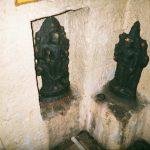
r001-017, Ramanadheswarar Temple, Vembakkam, Kanchipuram
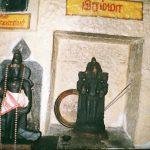
r001-0uuy16, Ramanadheswarar Temple, Vembakkam, Kanchipuram
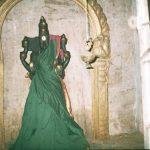
r001-014, Ramanadheswarar Temple, Vembakkam, Kanchipuram
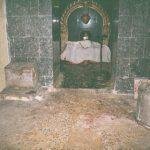
r001-012, Ramanadheswarar Temple, Vembakkam, Kanchipuram
Frequently Asked Questions (FAQ)
1. Is there a VIP darshan entry?
The temple management allows a priority queue for senior citizens and physically challenged devotees. While there isn’t a formal commercial VIP ticket system like in Tirupati, arriving during scheduled Abhishekam times usually provides a closer view with manageable crowds.
2. What is the significance of the name ‘Vembakkam’?
The village derives its name from the abundance of Vembu (Neem) trees in the region, which are considered sacred in Ayurveda and local folklore.
3. Are there accommodation facilities in Vembakkam?
While Vembakkam is a small village with limited lodging, basic guest houses and lodges are widely available in Kanchipuram town (15 km), which serves as a major accommodation hub.
4. Is the temple accessible for wheelchair users?
The outer corridors are accessible. However, due to the ancient nature of the structure, the inner sanctum (Garbhagriha) requires climbing a small step, which may require assistance.
5. What is the primary language spoken by the temple priests?
The priests primarily converse in Tamil. However, they are well-versed in Sanskrit mantras and can assist with English translations upon request.
Address: Ramanadheswarar Temple, Vembakkam, Kanchipuram District, Tamil Nadu 603108.
Source: Tamil Nadu Fav Tourism Blog