Ruru Bhairav Temple Varanasi: History, Darshan Timings & Guide
Receive daily temple updates, divine darshan, and morning bhajans directly on WhatsApp.
Contents
- 1 Introduction & Spiritual Essence
- 2 Historical Origins & Scriptural Legend
- 3 Architectural Marvels
- 4 Photo Gallery
- 5 Darshan & Ritual Logistics
- 6 Practical Visitor Guidance
- 7 Pilgrimage Connectivity
- 8 Frequently Asked Questions (FAQ)
Introduction & Spiritual Essence
The Ruru Bhairav Temple in Varanasi stands as a powerful sentinel in the ancient city of Kashi. As one of the revered forms of Lord Bhairav, this shrine is deeply embedded in the spiritual fabric of Hinduism. Devotees often seek out the eight manifestations of Bhairav to overcome fear, anxiety, and worldly obstacles.
Primary Deity and Significance
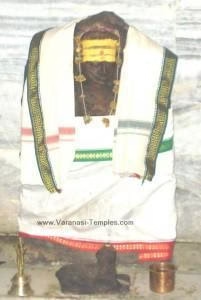
The temple is dedicated to Ruru Bhairav, a fierce yet benevolent avatar of Lord Shiva. Locals also affectionately refer to this form as Anand Bhairav (Joyful Bhairav). According to the Kashi Khand (Chapter 72), after Goddess Durga vanquished the demon Durgasur, she created eight Bhairavs to protect the holy city and its devotees.
Phalaśruti: The Fruits of Devotion
Worshipping Ruru Bhairav is believed to yield profound spiritual and material benefits:
- Mental Fortitude: Devotees develop a strong mental framework and immense courage to face life’s challenges.
- Protection from Evil: The deity is known to shield followers from negative energies and black magic.
- Ancestral Karma: Performing rituals here is said to help cleanse ancestral karma, bringing peace to departed souls.
📖 Related: Bharabhooteshwar Temple, Varanasi: History, Darshan Timings & Legends
Historical Origins & Scriptural Legend
While exact dates for many ancient shrines in Varanasi are lost to time, the spiritual chronology of Ruru Bhairav is well-documented in oral and written traditions.
Scriptural Roots
The primary reference for the temple’s spiritual significance comes from the Kashi Khand of the Skanda Purana. It describes the installation of eight Bhairavs by the Goddess herself to guard the boundaries and spiritual gates of Kashi.
Local Legends
Tradition holds that Ruru Bhairav represents the Aishvarya (glory and wealth) aspect of Shiva. Unlike the fierce Kal Bhairav, Ruru Bhairav is often worshipped by those seeking happiness (Anand) and prosperity within their domestic lives. The temple structure, though modest, has been renovated by devotees over centuries to maintain its sanctity.
Architectural Marvels
The Ruru Bhairav Temple is a prime example of the indigenous architectural styles found in the narrow galis of Varanasi.
Style and Vastu
While the original Google data attributes Dravidian features, the temple embodies the Nagara style prevalent in North India, characterized by its verticality and intricate carvings. The sanctum sanctorum is designed according to Vastu Shastra principles, ensuring a flow of positive energy.
Notable Features
- The Shikhara: The spire is modest yet distinct, adorned with traditional motifs.
- Sculptures: The walls feature carvings of various forms of Shiva and protective deities.
- Mandapa: A pillared hall allows devotees to sit and chant, though the space is intimate due to the urban setting.
Photo Gallery

Ruru-Bhairav2-201×300, Ruru Bhairav Temple, Varanasi
Darshan & Ritual Logistics
For pilgrims planning a visit in 2026, here are the essential logistics for Darshan and Sevas.
Daily Timings
Temple timings in Varanasi generally follow the cycle of worship, opening early and closing late.
| Session | Timing |
|---|---|
| Morning Darshan | 5:00 AM – 12:00 PM |
| Evening Darshan | 4:00 PM – 9:00 PM |
| Special Timing (Maha Shivaratri) | 24-Hour Open |
📖 Related: Paas Pani Vinayak Temple Varanasi: History, Timings & Complete Guide
Key Sevas and Online Booking
While many smaller shrines in Varanasi accept on-site requests, the Shri Kashi Vishwanath Temple Trust (SVT) oversees several Bhairav shrines. It is recommended to check the official SVT portal for Ruru Bhairav specific bookings if available.
- Abhishekam: Ritual bathing of the Shiva Lingam with water, milk, and honey.
- Rudrabhishek: A powerful Vedic ritual for prosperity.
- Archana: Personalized chanting of names.
Booking Process: Visit the official Kashi Vishwanath Temple website or trusted third-party platforms like MakeMyTrip (Pilgrimage section) for 2026 slots.
2026 Major Festivals
Plan your visit around these dates for a heightened spiritual experience:
- Maha Shivaratri: February 26, 2026
- Sravana Mondays (Shravan Maas): July 14 – August 11, 2026
- Kartik Purnima: November 5, 2026
- Makar Sankranti: January 14, 2026
Practical Visitor Guidance
Navigating Varanasi requires preparation. Here is how to ensure a smooth visit to Ruru Bhairav.
Dress Code and Etiquette
Visitors should dress modestly. Traditional Indian attire is preferred. Leather items are generally discouraged inside the temple premises.
Crowd Management
- Best Time to Visit: Early mornings (5 AM – 7 AM) are ideal for a peaceful Darshan.
- Seasonal Advice: Varanasi summers (April–June) are extremely hot; carry a water bottle and an umbrella. Winters (Dec–Jan) are pleasant but crowded.
- Photography: Usually restricted inside the sanctum. Please respect local sentiments.
- Lockers: Mobile phones and bags are often not allowed inside the inner sanctum. Use lockers provided by nearby shops or the temple administration if available.
Accessibility
The area around Hanuman Ghat involves narrow, winding lanes. It is not wheelchair accessible. Visitors with mobility issues can view the temple from the main road or hire a porter with a hand-cart to navigate the lanes slowly.
Pilgrimage Connectivity
How to Reach Ruru Bhairav Temple
The temple is located at B.4/16, Hanuman Ghat, near Harishchandra Ghat.
- Nearest Airport: Lal Bahadur Shastri International Airport (LBS) Varanasi (Approx. 25 km).
- Nearest Railway Station: Varanasi Junction (BSB) (Approx. 6 km) or Kashi Vishwanath Temple (Manduadih) station.
- By Road: The temple is connected via NH 19 and the Varanasi-Ghazipur highway. From the main road, take an auto-rickshaw to Hanuman Ghat.
📖 Related: Avimukteshwar Temple, Varanasi: History, Timings & Complete Guide
Nearby Sacred Sites
- Harishchandra Ghat: One of the two ancient cremation grounds in Varanasi, associated with truth and sacrifice.
- Anand Bhairav Temple: A nearby shrine sharing similar spiritual energy.
- Kashi Vishwanath Temple: The main Jyotirlinga shrine, a short rickshaw ride away.
Frequently Asked Questions (FAQ)
Is there a VIP darshan entry at Ruru Bhairav Temple?
As a smaller shrine, there is no formal VIP ticket system like the main Vishwanath temple. However, visiting during early morning hours ensures the quickest Darshan.
Can we offer alcohol to Ruru Bhairav?
Traditionally, Bhairav is associated with offerings of alcohol (Baliva) in tantric rituals. However, at this specific temple, standard offerings like flowers, fruits, and milk are accepted. It is advisable to consult the head priest (Pujari) before making any unconventional offerings.
Is photography allowed inside the temple?
Photography is generally permitted in the outer courtyard but strictly prohibited inside the sanctum sanctorum.
What is the difference between Ruru Bhairav and Kal Bhairav?
Kal Bhairav is the supreme protector of Kashi (Kotwal), while Ruru Bhairav is one of the eight manifestations (Anand Bhairav) focused on bestowing happiness and courage to devotees.
Is the temple open during monsoons?
Yes, the temple remains open year-round. However, heavy rainfall in Varanasi (July–August) can cause waterlogging in the gali lanes near Hanuman Ghat, so wear appropriate footwear.
Disclaimer: While we strive for accuracy, religious timings and rituals are subject to change. Please verify with local authorities before planning your pilgrimage.