Thiruchemponsey Perarulaalan Perumal Temple: History, Timings & Guide
Receive daily temple updates, divine darshan, and morning bhajans directly on WhatsApp.
Contents
- 1 Introduction & Spiritual Essence: The Temple of the Golden Lord
- 2 Historical Origins & Scriptural Legend
- 3 Architectural Marvels: Dravidian Grandeur
- 4 Darshan & Ritual Logistics
- 5 Practical Visitor Guidance
- 6 Pilgrimage Connectivity
- 7 Photo Gallery
- 8 Contact Details
Introduction & Spiritual Essence: The Temple of the Golden Lord
Located in the sacred hamlet of Thirunangur, amidst the cultural tapestry of Nagapattinam district, stands the Thiruchemponsey Perarulaalan Perumal Temple. This ancient shrine is one of the revered 108 Divya Desams (holy abodes of Vishnu) glorified by the Alvar saints. The temple is a testament to divine benevolence, where the presiding deity is worshipped as Perarulalan (The Lord of Great Generosity) and the consort, Allimalar Nachiyar, is revered for her unique grace.
Why Devotees Visit: The Phalaśruti
According to the spiritual traditions of the Divya Prabandha, worshipping Perarulalan at this specific site carries immense significance. It is said that seeking blessings here is spiritually equivalent to visiting three other mighty pilgrimage centers: Srirangam Ranganathar, Tirupati Venkateswar, and Kanchipuram Varadaraja Perumal.
Specific Benefits (Phalaśruti):
- Alleviation of Poverty: Legend holds that sincere worship here dissolves financial hardships. The name “Thiruchemponsey” itself alludes to the gold (Chempon) gifted by Lord Rama, symbolizing prosperity.
- Ancestral Liberation: It is believed that performing rituals here aids in cleansing ancestral karma, particularly for the Pitru Dosha.
- Dharma & Generosity: Devotees seeking to cultivate a spirit of charity and abundance pray to Perarulalan, who embodies unconditional giving.
| Date built: | – |
|---|---|
| Deity: | Thiruchemponsey Perarulaalan Perumal |
| Architectural style: | Dravidian architecture |
| Major festivals | – |
| Locale: | Thirunangur |
| District:: | Nagapattinam |
| Address: | Sri Perarulalan (Semponnarangar) Temple,Sempon Sei Koil, Thirunangur – 609 106,Nagapattinam District |
| Phone | +91- 4364-236 172 |
📖 Related: Bhagavad Gita: Chapter 18, Verse 49
Historical Origins & Scriptural Legend
The history of Thiruchemponsey is deeply interwoven with the Alvars and the Divya Prabandham. While the exact construction date remains a mystery lost to time, the temple is a classic example of early medieval Dravidian architecture.
The Legend of the Golden Cow
The very name Thiruchemponsey translates to “The Golden Fort.” The lore surrounding this temple is unique among the Divya Desams. According to the Peria Puranam and local tradition, Lord Rama (the seventh avatar of Vishnu) visited this spot after his victory over Ravana.
Here, Rama encountered a poor Brahmin from the ashram of Sage Dhrudanetra. To aid the sage, Rama fashioned a idol of a cow using pure gold and gifted it to the Brahmin. It is believed that the Brahmin utilized this divine gold to construct the temple, establishing the sacred site. Thus, the temple is built by the Lord himself, making it a self-manifested (Swayambhu) architectural wonder.
Thirunangur: The Cosmic Dance of Shiva and Vishnu
The village of Thirunangur holds a collective legend. When Lord Shiva danced in cosmic fury (Rudra Tandava) following the Daksha Yagna, the earth trembled. The Devas pleaded to Lord Vishnu to intervene. Vishnu appeared in eleven forms to pacify Shiva, who requested Vishnu to manifest in eleven abodes (divyadesams) alongside him. Thiruchemponsey is one of these eleven holy sites, originally known as Arimeya Vinnagaram (the abode of Vishnu, the slayer of demons).
Architectural Marvels: Dravidian Grandeur
Constructed in the classic Dravidian style of architecture, the temple features intricate carvings and a layout that aligns with Vastu Shastra. The temple complex is compact yet spiritually potent.
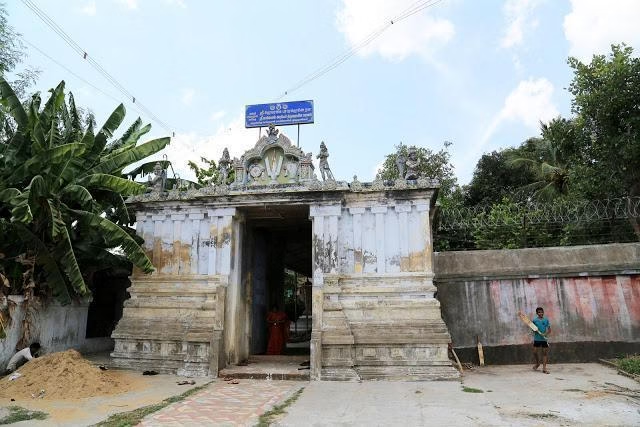
- The Rajagopuram: The temple entrance is marked by a modest yet ornate Rajagopuram (gateway tower) typical of Nagapattinam district temples.
- Sanctum Sanctorum (Garbhagriha): The presiding deity, Perarulalan, stands in a majestic Abhaya Mudra (gesture of fearlessness), flanked by his consorts.
- Unique Sculptures: Inside the temple, one can observe detailed stone carvings depicting the legend of Rama gifting the golden cow and the celestial meeting of Shiva and Vishnu.
- Consecration: The temple is maintained by the Hindu Religious and Charitable Endowments (HR&CE) Department of Tamil Nadu, ensuring the preservation of its ancient rituals.
Original Source: https://tamilnadu-favtourism.blogspot.com/2016/10/thiruchemponsey-perarulaalan-perumal_59.html
Darshan & Ritual Logistics
The temple follows a strict schedule of daily Poojas (rituals) prescribed by the Pancharatra Agamas. The priests, belonging to the Vaishnavaite Brahmin community, perform these services with great devotion.
📖 Related: Bhoodsidhhanath, Sangli
Daily Timings
| Session | Timing | Ritual |
|---|---|---|
| Ushathkalam | 7:00 AM – 8:00 AM | Morning Abhishekam |
| Kalasanthi | 8:00 AM – 10:00 AM | Mid-day Pooja |
| Sayarakshai | 5:00 PM – 6:00 PM | Evening Darshan |
| Ardha Jamam | 6:00 PM – 8:00 PM | Mid-night Pooja |
Key Sevas & Online Booking
Devotees can participate in various Sevas. While physical booking is available at the temple counter, the Tamil Nadu HR&CE portal often facilitates online seva booking.
- Thirumanjanam (Abhishekam): Performed for Lord Perarulalan and Mother Allimalar. It involves bathing the deity with holy water, milk, and sandalwood paste.
- Archana: Chanting the holy names of the Lord (specifically the Ashtakshara Mantra).
- Vastra Darshan: Offering new clothes to the deity.
2026 Festival Calendar
Assuming the current year is 2026, devotees should plan for the following major festivals:
- Thai Thirunal (Garuda Sevai): January – February 2026. The most significant event in Thirunangur. The festival images of the eleven Tirupathis are brought to the central tank on Garuda Vahanam. The Paasurams (verses) of Thirumangai Alvar are recited.
- Aipasi Brahmotsavam: October – November 2026. Celebrated during the Swati star, marking the birth star of Perumal. This includes a grand procession and Homam (fire ritual).
Practical Visitor Guidance
Dress Code and Etiquette
Visitors are expected to maintain the sanctity of the temple. Traditional attire is mandatory: Men must wear Dhotis or formal trousers with shirts (vests are strictly prohibited); Women must wear Sarees, Salwar Kameez, or long skirts.
Crowd Management & Best Hours
Thirunangur is a quiet village, but crowds surge during the Garuda Sevai festival in January/February. For a peaceful Darshan:
- Best Time: Visit between 7:00 AM and 9:00 AM on weekdays.
- Seasonal Advice: The region gets humid in May. Carry a water bottle and an umbrella. The temple floor can get hot, so light footwear that is easy to remove is recommended.
- Photography: Photography is generally allowed in the outer precincts but prohibited inside the sanctum sanctorum. Mobile phones are permitted but must be kept on silent mode.
Pilgrimage Connectivity
Thiruchemponsey Perarulaalan Perumal Temple is located in Sempon Sei Koil, approximately 8 km from Sirkazhi and 20 km from Mayiladuthurai.
📖 Related: Bhagavad Gita: Chapter 4, Verse 36
How to Reach
- By Road: The temple is on the Sirkazhi-Nagapattinam State Highway. Bus services from Sirkazhi, Mayiladuthurai, and Nagapattinam halt at Thirunangur. Private autos are available from the Annan Koil bus stop.
- By Rail: The nearest major railway junction is Sirkazhi (approx. 8 km). Alternatively, Mayiladuthurai Junction (20 km) connects to major cities like Chennai and Tiruchirapalli.
- By Air: The nearest airport is Tiruchirapalli International Airport, located approximately 140 km away.
Nearby Sacred Sites (Pilgrimage Circuit)
Thirunangur is a cluster of 11 Divyadesams. When visiting Thiruchemponsey, do not miss:
- Purushothama Divyadesam: Located just 0.5 km east. Dedicated to Vishnu as Purushothaman.
- Thiru Sempon Sei Kovil: The main temple complex housing other shrines in the cluster.
- Sirkazhi: A major temple town nearby, housing the Thirumulaikka Amman temple and the birthplace of Thirugnana Sambandar.
FAQs
Is there a VIP darshan entry?
Yes, the temple management occasionally allows special entry for elderly devotees and those with mobility issues during peak hours. However, unlike Tirupati, there is no formal paid VIP ticket system; entry is at the discretion of the temple executive officer.
What is the significance of the name “Sempon Sei Kovil”?
“Sempon” translates to Gold in Tamil, and “Sei Kovil” implies a constructed temple. It refers to the legend where Lord Rama gifted a golden cow, which was used to fund the temple’s construction.
Are there accommodation facilities nearby?
Basic guest houses and choultries are available in Sirkazhi and Mayiladuthurai. There are limited staying options within Thirunangur village, so it is advisable to book accommodation in the nearby towns.
What materials can be offered to the deity?
While flowers and fruits are standard offerings, the temple is famous for offerings of ‘Garments’ (Vastra). Devotees often offer new clothes, which are later used for the deity’s adornment.
How old is the temple?
The temple dates back to the early medieval period (likely between 6th and 9th century AD), as evidenced by the Divya Prabandham verses sung by Thirumangai Alvar. The current structure shows later renovations by the Chola and Nayak dynasties.
Photo Gallery
Thiruchsemponsey3, Thiruchemponsey Perarulaalan Perumal Temple, Thirunangur, Nagapattinam
Thiruchsemponsey1, Thiruchemponsey Perarulaalan Perumal Temple, Thirunangur, Nagapattinam
Semponsei-kovil, Thiruchemponsey Perarulaalan Perumal Temple, Thirunangur, Nagapattinam
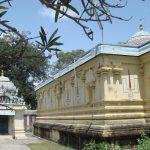
thAyAr_sannithi, Thiruchemponsey Perarulaalan Perumal Temple, Thirunangur, Nagapattinam
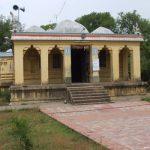
T_500hfhg_267, Thiruchemponsey Perarulaalan Perumal Temple, Thirunangur, Nagapattinam
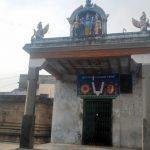
Sri-Perarulaalan-Perumal-Temple-Thiruchsemponsey-630×472
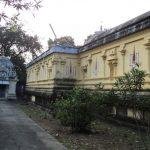
Sempoonsei-Kovil3-e1428477795172, Thiruchemponsey Perarulaalan Perumal Temple, Thirunangur, Nagapattinam
resized_Semponseikovil-1, Thiruchemponsey Perarulaalan Perumal Temple, Thirunangur, Nagapattinam
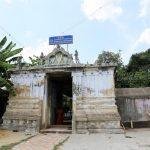
21820790602_c0095db87c_h, Thiruchemponsey Perarulaalan Perumal Temple, Thirunangur, Nagapattinam
Contact Details
Sri Perarulalan (Semponnarangar) Temple
Sempon Sei Koil, Thirunangur – 609 106
Nagapattinam District
Phone: +91- 4364-236 172