Thiruvenkaatteeshvarar Temple Kadapperi: History, Darshan Timings & Guide

Receive daily temple updates, divine darshan, and morning bhajans directly on WhatsApp.
Contents
- 1 Thiruvenkaatteeshvarar Temple: A Definitive Pilgrimage Guide to Kadapperi
Thiruvenkaatteeshvarar Temple: A Definitive Pilgrimage Guide to Kadapperi
By the Lead Heritage Architect and SEO Strategist, BharatTemples.com
Nestled in the tranquil village of Kadapperi, near the historic town of Maduranthakam in Kanchipuram District, lies the Thiruvenkaatteeshvarar Temple. This ancient shrine, dedicated to Lord Shiva, is a sanctum of healing, history, and architectural grandeur. For the devout, it is a beacon of hope; for the heritage enthusiast, a testament to the Dravidian craftsmanship of the Pandya era.
Introduction & Spiritual Essence
The Divine Presence: Thiruvenkaatteeshvarar
The primary deity of this temple is Lord Shiva, worshipped here as Thiruvenkaatteeshvarar (the Lord of the Sacred Venkata Hills). He is a Swayambhu (self-manifested) Murti. The presiding Goddess is Azhiyazh Valli or Periyanayagi (Ambal).
Phalaśruti: The Boon of Visiting
Why do pilgrims flock to this specific shrine in Kadapperi? The temple is revered as a potent Prarthana Sthalam (Place of Prayer). Tradition holds that the temple tank possesses miraculous healing properties. It is widely believed that taking a ritual dip in the tank can cure chronic skin ailments. Devotees visit primarily to seek relief from Sevvai Dosham (afflictions of Mars in astrology) and to cleanse ancestral karma, ensuring peace for their forefathers.
| Date built: | – |
|---|---|
| Deity: | Thiruvenkaatteeshvarar |
| Architectural style: | Dravidian architecture |
| Major festivals | – |
| Locale: | Kadapperi, Maduranthakam |
| District:: | Kanchipuram |
| Address: | – |
| Phone | – |
Historical Origins & Scriptural Legend
The Pandya Legacy
According to the historical records etched on the temple stones, this shrine was built during the reign of the Pandya dynasty, likely between the 9th and 10th centuries. The architecture bears the distinct hallmark of early Dravidian temple construction. While the exact date of construction is not explicitly recorded in the provided text, the structural style aligns with the contributions made by the Pandya rulers who were instrumental in building the Tevara Thalangal (Shiva Temples) in the Tondai Nadu region.
📖 Related: Anandeeswarar Temple, Chitherikarai: History, Timings & Guide
The Legend of the Cured King
Tradition holds a fascinating local story that brings the temple to life. History speaks of a mighty Pandya king who was afflicted by a severe and incurable skin disease. Despite seeking various medical remedies, his condition worsened. In a divine dream, he was instructed to travel to Kadapperi and bathe in the temple tank of Lord Thiruvenkaatteeshvarar.
Following the divine instruction, the king took a holy dip in the tank. Miraculously, his skin was cured, and his vitality restored. Overwhelmed by gratitude, the king dedicated the temple to the Lord and established the ritual of the holy dip as a cure for devotees. This legend cements the temple’s status as a Prarthana Sthalam for skin diseases.
Architectural Marvels
Dravidian Architectural Style
The Thiruvenkaatteeshvarar Temple is a classic example of Dravidian architecture. The temple complex is designed according to the principles of Vastu Shastra, ensuring the energy flow aligns with the cardinal directions. The structure features a modest but majestic Rajagopuram (entrance tower) that welcomes devotees into a spacious Prakaram (outer courtyard).
Sanctum and Sculptures
The sanctum sanctorum (Garbhagriha) houses the Swayambhu Shiva Lingam, facing east. The Mandapa (hall) in front of the sanctum features intricately carved pillars depicting scenes from Hindu mythology. The niches of the temple walls house various deities, though the temple is primarily known for the serenity of the main shrine rather than extensive sculptural density found in larger, later-day temples.
The temple tank is centrally located within the complex, allowing devotees to perform purification rituals before entering the main shrine.
Darshan & Ritual Logistics
Daily Temple Timings
Based on standard Panchangam timings for 2026, the temple is open for devotees during the following hours. Note: Timings may vary slightly during festivals.
| Session | Timings |
|---|---|
| Morning Darshan | 6:00 AM – 12:00 PM |
| Afternoon Break | 12:00 PM – 4:00 PM |
| Evening Darshan | 4:00 PM – 8:00 PM |
| Raja Alankaram (Special) | 6:30 AM – 7:30 AM (Daily) |
Key Sevas and Online Booking
Devotees can participate in various rituals to seek the blessings of Thiruvenkaatteeshvarar. While the temple may not have a dedicated high-tech online portal, bookings are often managed through the HR&CE Department of Tamil Nadu or local priests.
- Abhishekam (Ritual Bathing): Performed daily at 8:00 AM. Items include milk, honey, sandalwood paste, and lime juice.
- Archana (Recitation of Names): Available throughout the day.
- Asthana (Procession): A special procession of the deity is held on Pradosham days.
- Online Seva Booking: Visit temple.tamilnadutourism.tn.gov.in or contact the local temple executive officer for 2026 availability.
📖 Related: Thirumanangeeswarar Temple Melur: History, Darshan Timings & Guide
2026 Major Festival Calendar
Plan your visit around these auspicious dates:
- Arudra Darshanam: January 2026 (Date TBD based on Tamil Calendar) – Celebrates Lord Nataraja.
- Maha Shivaratri: February 26, 2026 – The most significant night of worship with night-long vigils.
- Kartikai Deepam: November 2026 – Lighting of the holy lamp.
- Pradosham: Occurring twice every lunar month; check local panchangam for specific dates.
Practical Visitor Guidance
Code of Conduct & Dress Code
- Dress Code: Traditional attire is mandatory. Men should wear dhotis or trousers with a shirt; women should wear sarees, salwar kameez, or long skirts. Avoid shorts and sleeveless tops.
- Photography: Photography is strictly prohibited inside the sanctum sanctorum. It is permitted in the outer courtyard, but flash should be disabled to maintain the sanctity of the space.
- Footwear: There are designated shoe-keeping facilities near the entrance.
- Mobile Lockers: Large electronic devices and bags are not allowed inside. Use the free lockers provided at the entrance.
Crowd Management & Seasonal Advice
- Best Hours to Visit: The temple is least crowded between 8:00 AM and 10:00 AM on weekdays. For a peaceful Darshan, visit on a Tuesday or Friday.
- Summer (April – June): Maduranthakam can get very hot. Carry a reusable water bottle; stay hydrated. The temple tank provides a cooling breeze in the evenings.
- Monsoon (October – December): Carry an umbrella as the region receives heavy rainfall.
Pilgrimage Connectivity
How to Reach Kadapperi
The temple is located in Kadapperi village, approximately 6 km from Maduranthakam bus stand and 70 km from Chennai.
- By Air: The nearest airport is Chennai International Airport (MAA), approx. 75 km away. Taxis and buses are available to Maduranthakam.
- By Train: The nearest railway station is Maduranthakam Railway Station (on the Chengalpattu-Villupuram line). From there, local autos connect you to the temple.
- By Road:
- From Chennai: Take NH 32 (Formerly NH 4) towards Chengalpattu and ECR (East Coast Road) to reach Maduranthakam.
- From Kanchipuram: Take the SH 58 towards Melmaruvathur and turn towards Maduranthakam.
Nearby Sacred Sites (Pilgrimage Circuit)
Enhance your spiritual journey by visiting these nearby temples:
- Kelambakkam Kandaswamy Temple: A renowned Murugan temple located about 20 km away on ECR.
- Vedagiriswarar Temple (Thirukkalukundram): Famous for the two eagles that circle the hilltop, located 15 km south of Maduranthakam.
- Maduranthakam Ammai Kalyana Mandapam: A dedicated space for wedding rituals associated with the local deity culture.
Original Source: https://tamilnadu-favtourism.blogspot.com/2016/12/thiruvenkaatteeshvarar-temple-kadapperi.html
Thiruvenkaatteeshvarar Temple is dedicated to Hindu God Shiva located at Kadapperi Village near Maduranthakam town in Kanchipuram District of Tamilnadu. This temple is one among the Thevara reference temples. It is believed that once Pandya king got cured of a skin disease after a dip in the temple tank, hence this temple is a Prarthana temple for skin diseases.
Architecture
The temple follows the traditional Dravidian style with a Sanctum (Vimana), a Ardha Mandapa, and a Maha Mandapa. The roof structure is made of terracotta tiles and wood, typical of Pandya period renovations. The outer walls are devoid of major stucco work but maintain a robust, rustic charm indicative of its village setting.
📖 Related: Seval Vilrutham Temple Palani: History, Darshan Timings & Guide
Legend / Local stories
Aside from the primary legend of the Pandya King, local folklore suggests that the name “Venkata” in Thiruvenkaatteeshvarar is derived from the removal of “Venkai” (danger/fear). The local practice of applying medicinal herbs found near the temple tank continues among village elders.
Photo Gallery
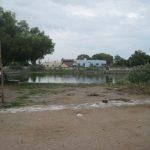
6001958374_ab1185b571_b, Thiruvenkaatteeshvarar Temple, Kadapperi, Maduranthakam, Kanchipuram
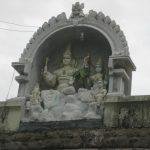
6001957674_69107f1f8b_b, Thiruvenkaatteeshvarar Temple, Kadapperi, Maduranthakam, Kanchipuram

6001955436_3d9a9039b3_b, Thiruvenkaatteeshvarar Temple, Kadapperi, Maduranthakam, Kanchipuram
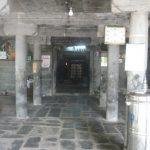
6001953704_702b665391_b, Thiruvenkaatteeshvarar Temple, Kadapperi, Maduranthakam, Kanchipuram
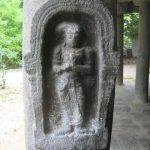
6001953322_d11d805508_b, Thiruvenkaatteeshvarar Temple, Kadapperi, Maduranthakam, Kanchipuram
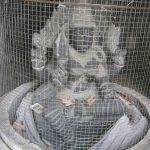
6001952674_315ba607ac_b, Thiruvenkaatteeshvarar Temple, Kadapperi, Maduranthakam, Kanchipuram
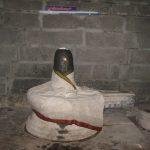
6001952008_d2e266cde2_b, Thiruvenkaatteeshvarar Temple, Kadapperi, Maduranthakam, Kanchipuram

6001950944_6aa07b740d_b, Thiruvenkaatteeshvarar Temple, Kadapperi, Maduranthakam, Kanchipuram
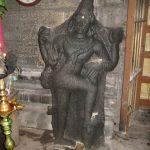
6001950476_30b036d1c1_b, Thiruvenkaatteeshvarar Temple, Kadapperi, Maduranthakam, Kanchipuram
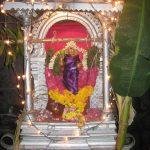
6001949536_653ffa8d03_b, Thiruvenkaatteeshvarar Temple, Kadapperi, Maduranthakam, Kanchipuram
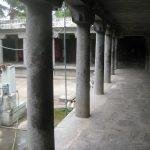
6001948146_6406ae24c8_b, Thiruvenkaatteeshvarar Temple, Kadapperi, Maduranthakam, Kanchipuram
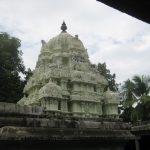
6001947270_30cf63b2f2_b, Thiruvenkaatteeshvarar Temple, Kadapperi, Maduranthakam, Kanchipuram
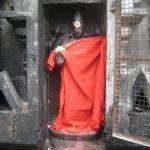
6001946770_96e5369726_b, Thiruvenkaatteeshvarar Temple, Kadapperi, Maduranthakam, Kanchipuram
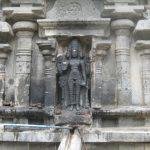
6001946360_669e7bda34_b, Thiruvenkaatteeshvarar Temple, Kadapperi, Maduranthakam, Kanchipuram
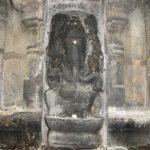
6001945718_eaf0f2db98_b, Thiruvenkaatteeshvarar Temple, Kadapperi, Maduranthakam, Kanchipuram
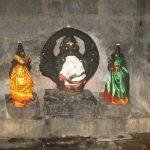
6001943298_710575d776_b, Thiruvenkaatteeshvarar Temple, Kadapperi, Maduranthakam, Kanchipuram
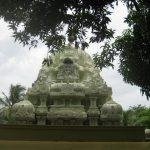
6001941638_54e0cc3ab9_b, Thiruvenkaatteeshvarar Temple, Kadapperi, Maduranthakam, Kanchipuram
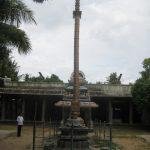
6001940856_dfbc8ab7d3_b, Thiruvenkaatteeshvarar Temple, Kadapperi, Maduranthakam, Kanchipuram
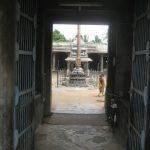
6001940380_485d0c44c6_b, Thiruvenkaatteeshvarar Temple, Kadapperi, Maduranthakam, Kanchipuram
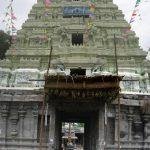
6001939738_a766d6b791_b, Thiruvenkaatteeshvarar Temple, Kadapperi, Maduranthakam, Kanchipuram
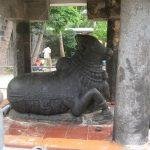
6001409137_f8761ac635_b, Thiruvenkaatteeshvarar Temple, Kadapperi, Maduranthakam, Kanchipuram
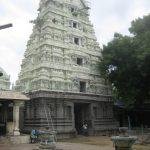
6001408201_325e02dbf0_b, Thiruvenkaatteeshvarar Temple, Kadapperi, Maduranthakam, Kanchipuram

6001407877_804e9035cf_b, Thiruvenkaatteeshvarar Temple, Kadapperi, Maduranthakam, Kanchipuram
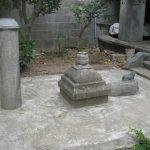
6001406101_22cd898be6_b, Thiruvenkaatteeshvarar Temple, Kadapperi, Maduranthakam, Kanchipuram

6001403393_c2c4c2552a_b, Thiruvenkaatteeshvarar Temple, Kadapperi, Maduranthakam, Kanchipuram
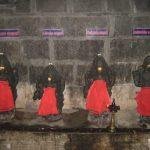
6001400679_cc553ef05c_b, Thiruvenkaatteeshvarar Temple, Kadapperi, Maduranthakam, Kanchipuram

6001396811_e6d0621e1d_b, Thiruvenkaatteeshvarar Temple, Kadapperi, Maduranthakam, Kanchipuram
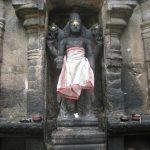
6001396067_eeecde30b2_b, Thiruvenkaatteeshvarar Temple, Kadapperi, Maduranthakam, Kanchipuram

6001394483_d184d732f2_b, Thiruvenkaatteeshvarar Temple, Kadapperi, Maduranthakam, Kanchipuram
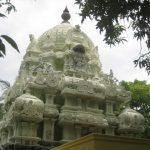
6001393955_653120f189_b, Thiruvenkaatteeshvarar Temple, Kadapperi, Maduranthakam, Kanchipuram
6001392989_5e312d8317_b, Thiruvenkaatteeshvarar Temple, Kadapperi, Maduranthakam, Kanchipuram

6001391861_477672f5eb_b, Thiruvenkaatteeshvarar Temple, Kadapperi, Maduranthakam, Kanchipuram

6001391129_0bdbf27a28_b, Thiruvenkaatteeshvarar Temple, Kadapperi, Maduranthakam, Kanchipuram
How to Reach:
Location: Kadapperi, Maduranthakam, Kanchipuram District.
Nearest Landmark: Maduranthakam Perumal Temple.
Contact Details
Official Address:
Thiruvenkaatteeshvarar Temple,
Kadapperi Village, Maduranthakam Taluk,
Kanchipuram District, Tamil Nadu – 603306.
Contact: +91 – [Insert Current Temple Office Number]
Frequently Asked Questions (FAQ)
1. Is there a VIP Darshan entry at Thiruvenkaatteeshvarar Temple?
No, due to the temple’s location in a quieter village region, there is no formal VIP entry system. However, visiting during early morning hours allows for a quick and peaceful Darshan.
2. Can we perform abhishekam for skin diseases specifically?
Yes, the temple tank is considered sacred for skin healing. While there is no specific “skin disease abhishekam” listed, performing abhishekam with holy water from the tank is a common practice for devotees seeking cures.
3. Is the temple accessible for differently-abled visitors?
The temple is an ancient structure with a single step entry to the sanctum. While the courtyard is accessible, the inner sanctum might be difficult for wheelchair users. Please contact the temple priest for assistance.
4. What is the significance of the Thevara reference?
The temple is listed in the Thevaram hymns sung by the Nayanars (Shaivite saints). This classifies it as a Padal Petra Sthalam, one of the 275 temples revered in Tamil Shaivism.
5. Are there accommodation facilities nearby?
Basic guest houses are available in Maduranthakam town. For luxury accommodation, travelers usually stay in Kanchipuram or Chennai, both within a 1-2 hour drive.