
Contents
- 1 Umiya Temple Unjha: History, Darshan Timings & Complete Guide
Umiya Temple Unjha: History, Darshan Timings & Complete Guide
By BharatTemples.com | Updated: January 2026
Nestled in the heart of North Gujarat, the Umiya Mata Temple in Unjha stands as a profound spiritual beacon for millions of devotees worldwide. Revered as the Kuldevi (Family Deity) of the Patidar community, this temple is not merely a place of worship but a vibrant center of faith, heritage, and architectural magnificence. This definitive guide is engineered for modern pilgrims, blending devotional reverence with practical logistics for your visit in 2026.
1. Introduction & Spiritual Essence
The Divine Mother
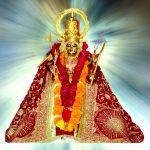
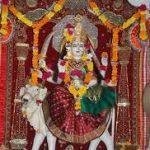
The primary deity of this sanctum is Umiya Mata, the supreme mother Goddess. In the context of Hindu theology, she is identified as the cosmic mother who birthed the universe. According to temple scripture and tradition, Shree Maa Umiya is the source of all strength and divinity. It is widely believed that the goddess manifests through three primary forms: Maa Saraswati (Wisdom), Maa Lakshmi (Prosperity), and Maa Kali (Power).
Phalaśruti: Why Devotees Visit
Devotees flock to Unjha to seek the blessings of the Almighty Mother for protection against negative forces and to ensure the prosperity of their lineage. The spiritual benefits (Phalaśruti) of visiting include:
- Ancestral Cleansing: It is believed that visiting the Kuldevi temple helps cleanse ancestral karma and remove obstacles in the family line.
- Strength & Divinity: As the source of all strength, Maa Umiya grants devotees the courage to overcome “dark devilish elements” in life.
- Specific Blessings: Childless couples pray for progeny, while farmers and traders seek blessings for a bountiful harvest and business growth.
2. Historical Origins & Scriptural Legend
Millennia-Old Legacy
While the current structure feels modern to the eye, the spiritual history of the temple spans centuries. Records suggest the original temple was established 1,200 years ago. However, the deity’s presence in Unjha dates back much further.
Architectural Timeline & Legends
According to temple records and local lore:
- Ancient Origins: Mythological stories attribute the original establishment of the Maa Umiya Temple to Lord Shankar (Shiva) himself.
- 3rd Century BCE (Vikram Samvat 212): Historical accounts mention King Vrajpal Sinhji constructing a temple on this site.
- The Yagna of King Avnipat: A significant ritual was performed involving 1.25 lakh coconuts and a well filled with ghee (clarified butter), cementing the site’s sanctity.
- The Medieval Period: In Vikram Samvat 1122/24, Vegda Gami reconstructed the temple. Tragically, this structure was later demolished by Ulugh Khan, a commander of Alauddin Khilji.
- Preservation of the Idol: During this period of turmoil, the sacred statue of Mataji was carefully preserved at Mollot’s Big Madh. The area where the idol was kept, known today as the Sheshshayi wing, remains a site of immense reverence.
Today, the temple has been beautifully rebuilt, maintaining the sanctity of the original foundation while offering modern amenities for pilgrims.
3. Architectural Marvels
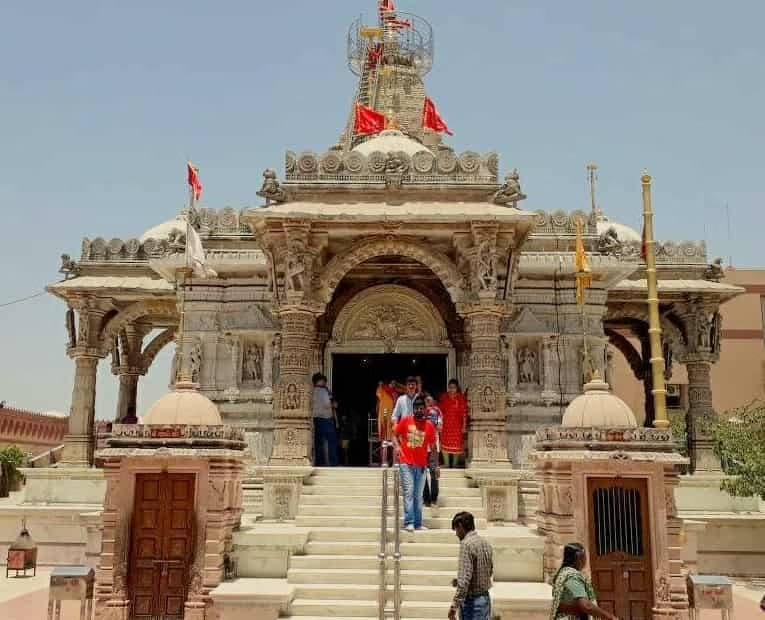
The Umiya Mata Temple is a stunning example of traditional Indian temple architecture infused with modern craftsmanship.
Style and Vastu
The temple follows the principles of Vastu Shastra, designed to maximize positive energy flow. While the primary style draws from the Nagara tradition of North India, the current structure features intricate stone carvings that are a visual treat.
Key Features
- The Shikhara: The towering spire (shikhara) draws the eye upward, symbolizing the aspirant’s journey toward the heavens. It is adorned with detailed motifs and Murtis (idols) depicting various deities.
- Mandapas: The temple complex includes spacious Mandapas (halls) for gatherings and rituals. The central hall allows for a seamless flow of devotees during Darshan.
- Sanctum Sanctorum (Garbhagriha): The inner shrine houses the idol of Maa Umiya, decorated with traditional silver ornaments and seasonal garlands. The lighting is kept dim to enhance the mystical aura of the deity.
While not officially ASI or UNESCO protected, the temple is a state heritage marvel maintained by the Umiya Mata Sansthan.
4. Darshan & Ritual Logistics
Planning your visit is crucial to experiencing the temple’s tranquility. Below are the updated timings and ritual schedules for 2026.
Daily Darshan Timings
| Session | Timing | Activity |
|---|---|---|
| Morning | 6:00 AM – 12:00 PM | Mangala Darshan & Abhishekam |
| Afternoon | 12:00 PM – 4:00 PM | Rest Period (Inner Sanctum Closed) |
| Evening | 4:00 PM – 9:00 PM | Sandhya Darshan & Aarti |
*Note: The afternoon rest period is observed to protect the sanctity of the Murti and perform maintenance.
Key Sevas & Online Booking
The Sansthan offers various Sevas (ritual services). All bookings are handled through the official website.
- Abhishekam: Ritual bathing of the deity with milk, honey, and water. (Time: 7:00 AM – 8:30 AM).
- Archana: Individual prayer chants performed by the priest on your behalf. (Available throughout the day).
- Sahasranam Archana: Recitation of the 1000 names of Maa Umiya.
How to Book: Visit the official Umiya Mata Sansthan website (or the portal linked via bharattemples.com) to book Sevas in advance. It is highly recommended to book at least 24 hours prior to your visit, especially for Abhishekam.
2026 Festival Calendar (Major Dates)
Unjha is particularly vibrant during these times. Plan accordingly as accommodation fills quickly.
- Navratri (Chaitra): March 30 – April 7, 2026 (Spring Festival)
- Nag Panchami: July 27, 2026 (Special prayers are offered)
- Navratri (Sharad): September 22 – October 1, 2026 (The most celebrated festival here)
- Deepavali: October 21, 2026 (Special Maha Aarti)
5. Practical Visitor Guidance
Code of Conduct & Essentials
- Dress Code: Traditional attire is preferred (Saree, Kurta-Pajama, Dhoti). Western clothing should be modest and cover shoulders and knees.
- Photography: Strictly prohibited inside the Garbhagriha (main sanctum). Photography in the outer mandapas is permitted for personal use but avoid flash.
- Mobile Lockers: Free electronic lockers are available near the entrance for phones, cameras, and leather goods, as these are not permitted inside the sanctum.
- Accessibility: The temple complex is wheelchair accessible, with ramps leading to the main mandapa. However, the inner sanctum requires climbing stairs (approx. 5 steps).
Crowd Management Strategy
Unjha sees thousands of visitors daily, especially on Sundays and festival days.
- Best Time to Visit: Weekday mornings (Tuesday and Friday are considered most auspicious).
- Seasonal Advice:
- Summer (May – June): Temperatures can exceed 40°C. Carry a water bottle and cover your head while queuing.
- Monsoon (July – September): Pleasant weather, but carry an umbrella as queues extend outside the covered areas.
6. Pilgrimage Connectivity
How to Reach Unjha
Unjha is well-connected by road and rail, situated approximately 100 km from Ahmedabad.
- By Air: The nearest airport is Sardar Vallabhbhai Patel International Airport, Ahmedabad (AMD), roughly 100 km away. Taxis and buses are readily available from the airport to Mehsana and Unjha.
- By Rail: Unjha has its own railway station (Unjha Railway Station) connected to Ahmedabad and Mahesana. However, major trains stop at Mehsana Junction, which is 18 km away. From Mehsana, you can take a local taxi or state transport bus.
- By Road:
- From Ahmedabad: Take the State Highway 41 (SH 41) directly towards Mehsana/Unjha. The drive takes approximately 2 hours.
- From Mumbai: Take NH 48 to Ahmedabad, then proceed via Mehsana.
Nearby Sacred Sites (The Pilgrimage Circuit)
Extend your spiritual journey by visiting these nearby destinations:
- Potana Temple (Unjha): Located very close to Umiya Mata Temple, dedicated to Lord Shiva, famous for its distinct architecture.
- Mata Ashapura Temple, Kutch (Somnath Temple Complex): While a bit further, many pilgrims combine the Unjha trip with the historic Somnath Jyotirlinga (approx. 200 km) or the Ashapura Mata temple in Kutch.
- Mehsana Baugh: Located in Mehsana, this is a peaceful garden and a popular spot for families to rest after the temple visit.
7. Frequently Asked Questions (FAQ)
1. Is there a VIP darshan entry available?
Yes, the Umiya Mata Sansthan offers a VIP Darshan pass for a nominal fee. This allows you to bypass the general queue, especially during busy hours. These can be purchased at the counter near the entrance or booked online along with your Seva.
2. What is the best time to visit to avoid crowds?
The best time for a peaceful darshan is early morning between 6:00 AM and 8:00 AM on weekdays (Tuesday or Friday). Avoid visiting on Sundays or public holidays unless you are prepared for long waits.
3. Are there accommodation facilities near the temple?
Yes, Unjha has numerous hotels, guest houses (Dharamshalas), and resorts. The Sansthan also maintains guest houses for pilgrims, though these must be booked well in advance. Mehsana (18 km away) offers a wider range of mid-range to luxury hotels.
4. Is non-vegetarian food allowed in the temple area?
No. The entire Unjha town, including the temple premises, is strictly vegetarian. Alcohol and non-vegetarian food are prohibited in the region.
5. Can I perform a Satyanarayan Puja at the temple?
Yes, the temple priests conduct Satyanarayan Puja and other family ceremonies. You must book this at least 3 days in advance through the Sansthan office or their official website.
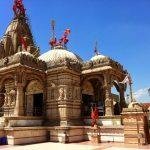
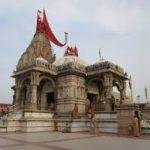
Photo Gallery
Recent Posts

Shri Kaamkoteeshwar Mandir, Varanasi – History & Significance
In the heart of Kashi, the eternal city of Lord Shiva, where the Ganges flows with celestial grace, stands the Shri Kaamkoteeshwar Mandir. This sacred Sannidhi is not merely a temple but a profound spiritual bridge between the Northern…

ओ सांवरे तूने ही मुझको संभाला – Lyrics & Meaning
ओ सांवरे तूने ही मुझको संभाला – A Prayer to Shyam Origin & Spiritual Essence Why This Bhajan Resonates Devotees chant this when overwhelmed by life’s storms—the refrain ‘तूने ही मुझको संभाला’ is the soul’s sigh of relief: “You…

कथा ये है महाराज मेरे की – Lyrics & Meaning
कथा ये है महाराज मेरे की छत्रपति संभाजी महाराज – A Prayer to Chhatrapati Sambhaji Maharaj Origin & Spiritual Essence Why This Bhajan Resonates Devotees chant this when their spirit feels tested—its powerful refrain “महाराज मेरे” is a soul’s…

Rigveda Samhita Yathartha Anuvada (ऋग्वेद संहिता यथार्थ अनुवाद) – Complete Set with Anvayartha & Hindi/English Translation
The Rigveda is the oldest surviving scripture of humanity and the foundational text of Sanātana Dharma. For serious students, scholars, UPSC aspirants studying ancient Indian history, Sanskrit learners, and spiritual seekers, a precise and grammatically structured translation is indispensable.…

आना भी अकेला है जाना भी अकेला है – Lyrics & Meaning | BharatTemples
आना भी अकेला है जाना भी अकेला है – A Prayer to the Divine Witness Origin & Spiritual Essence Why This Bhajan Resonates Devotees turn to this bhajan in moments of deep reflection—when life’s attachments begin to ache. The…

माता शेरावाली के द्वार जो भी जाता है – Lyrics & Meaning
माता शेरावाली के द्वार जो भी जाता है – A Prayer to Maa Sherawali Origin & Spiritual Essence Why This Bhajan Resonates Devotees turn to this bhajan in times of fear or uncertainty—its promise that no one leaves Maa’s…

मार लेना सपणी उबार लेणा भवरा – Lyrics & Meaning
मार लेना सपणी उबार लेणा भवरा – A Prayer to the Divine Beloved Origin & Spiritual Essence Why This Bhajan Resonates Devotees chant this in moments of deep vulnerability—its cry of “मार लेना सपणी, उबार लेणा भवरा” is the…

हमें श्याम सुंदर भरोसा तुम्हारा – Lyrics & Meaning
हमें श्याम सुंदर भरोसा तुम्हारा – A Prayer to Shyam Sundar Origin & Spiritual Essence Why This Bhajan Resonates Devotees chant this when feeling alone—its refrain ‘de do sahara’ is the soul’s cry for divine support. Lyrics in Hindi…

Mere Satguru Ne Di Thi Davai Lyrics in Hindi & Meaning
Mere Satguru Ne Di Thi Davai: Invoking the Guru’s Liberating Wisdom This soul-stirring bhajan venerates the Satguru (True Spiritual Master) as the divine physician who dispenses the only remedy for life’s deepest sufferings. Composed by Sant Karmaveer Tufani, it…

Janm Diyo Thari Maa Dukh Dekhiyo Lyrics in Hindi & Meaning
जन्म दियो थारी माँ दुख देखियो (Maa’s Grief Upon Birthing You) This soul-stirring Chetavani Bhajan (admonitory hymn) is addressed to the Divine Mother (Maa) – a call for repentance when children forget their filial duties in the dark age…